What is the difference between flood and spot beam patterns?
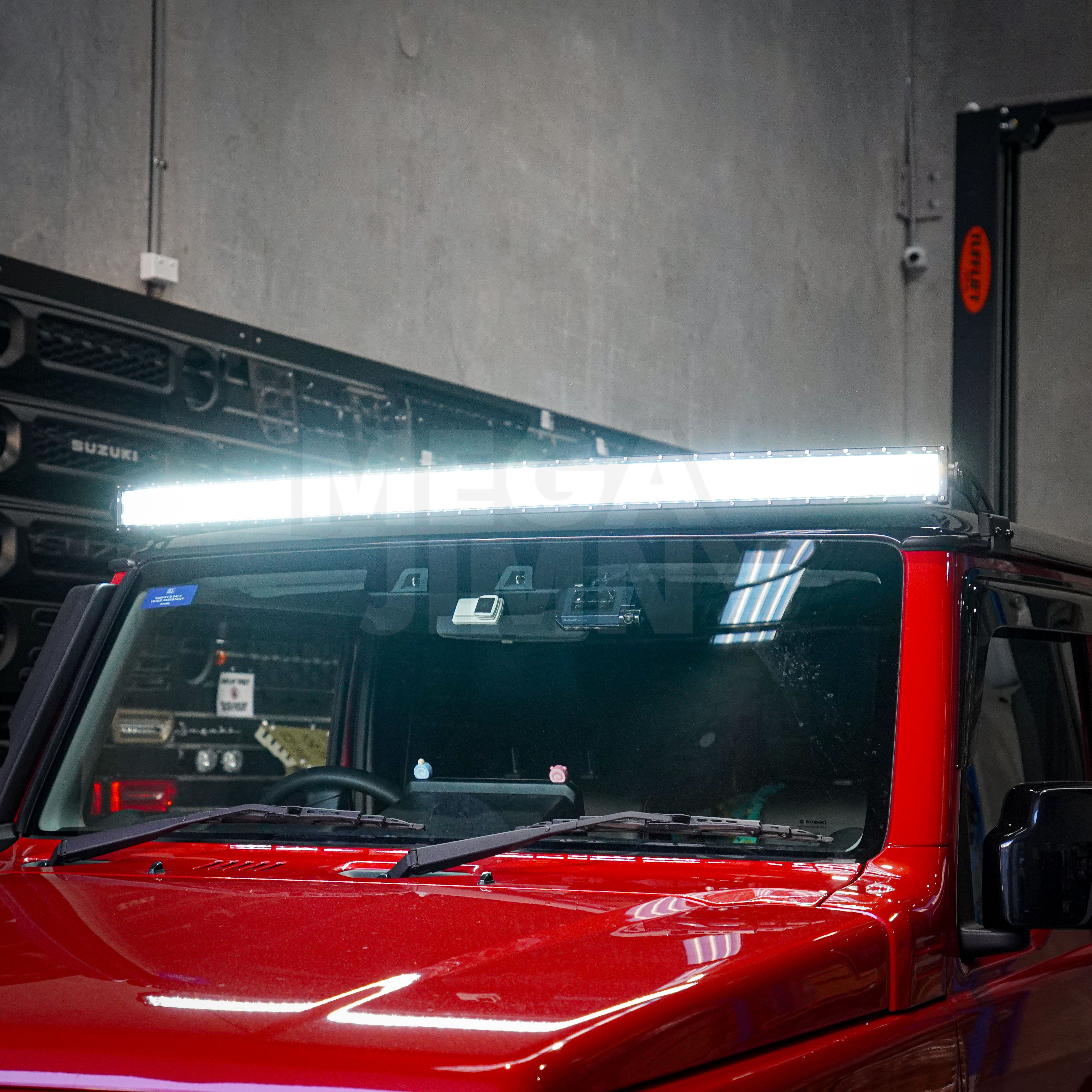
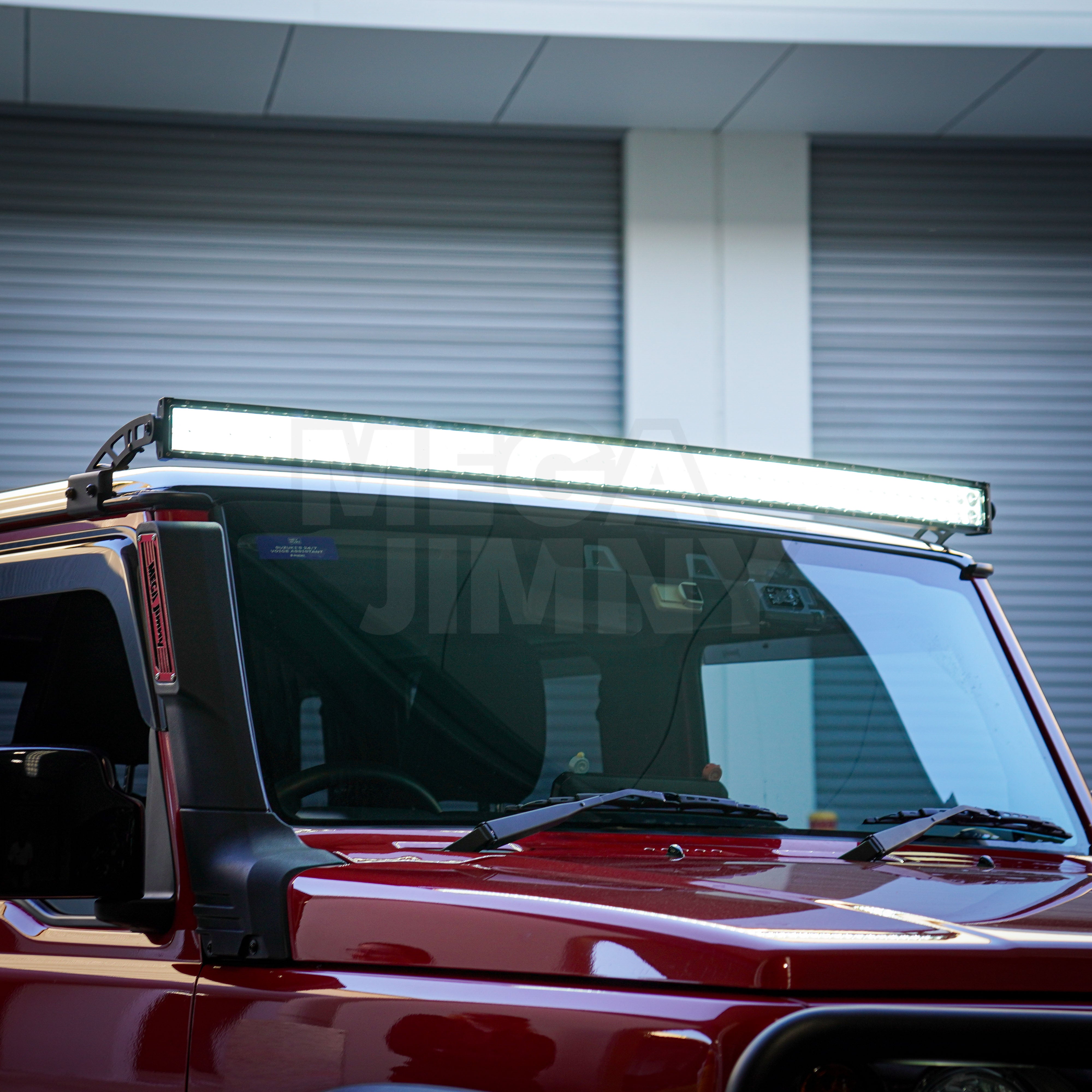
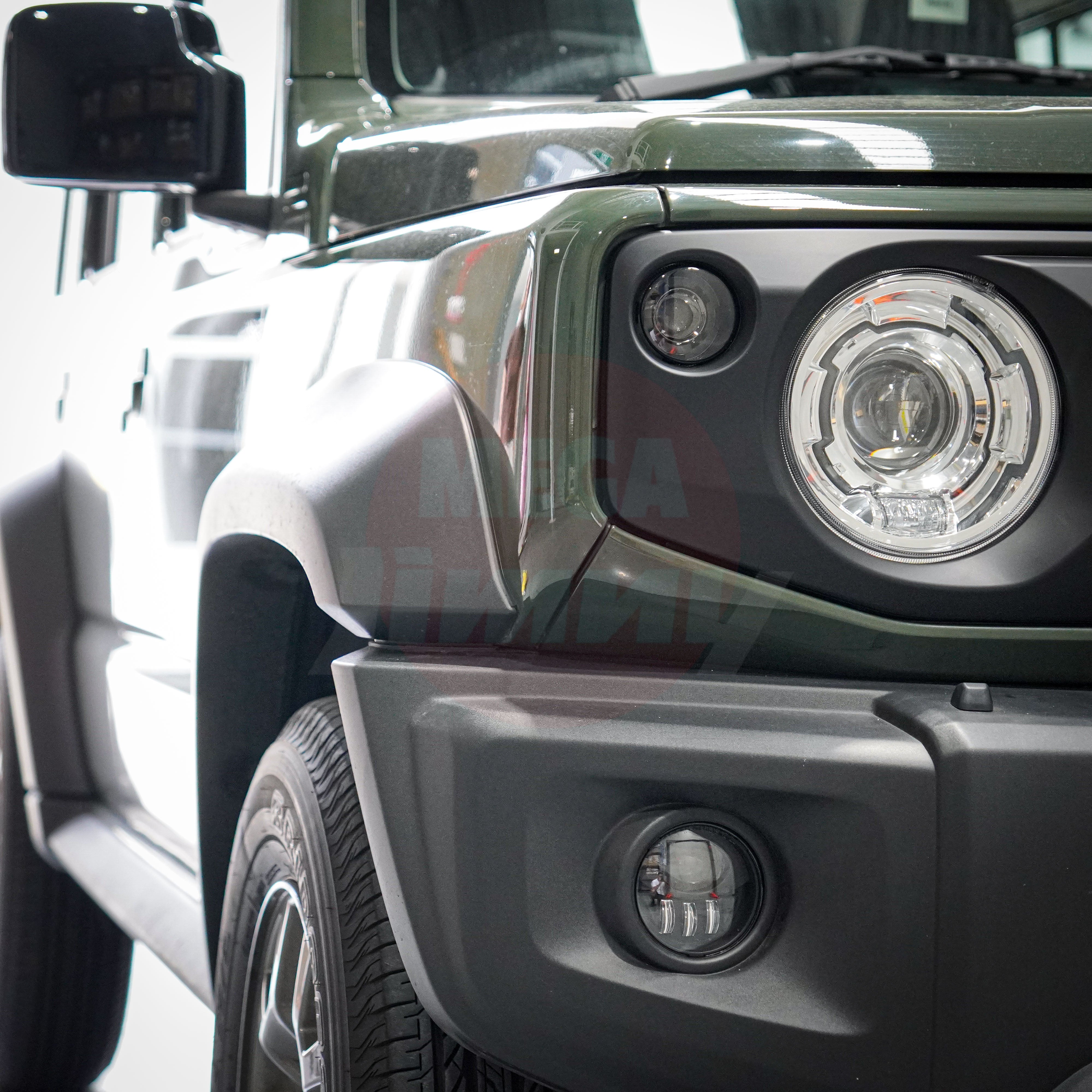
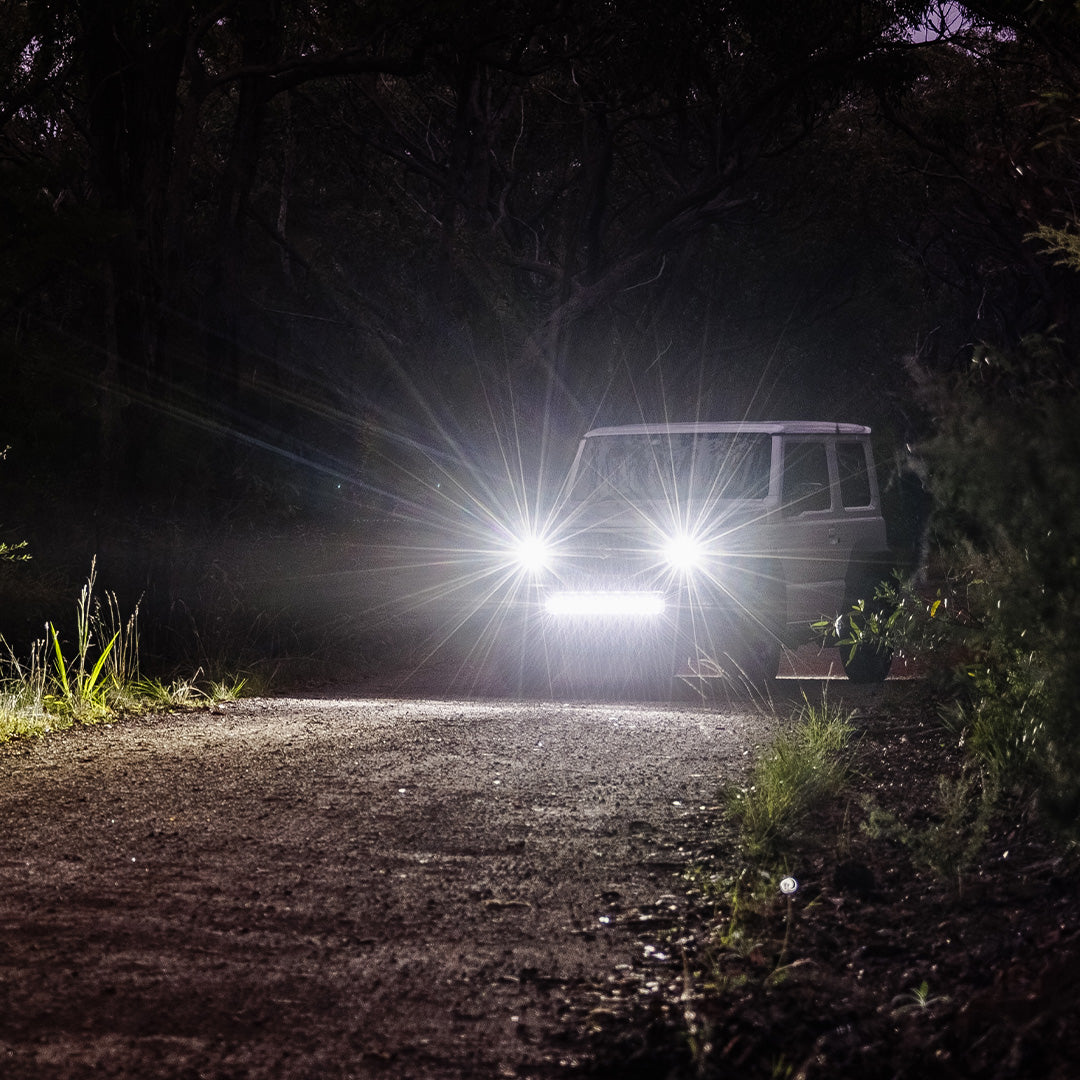
Flood beams produce a wide, short-range light pattern, ideal for illuminating a broad area directly in front of and to the sides of your vehicle - perfect for low-speed trail driving, campsite lighting, or reversing. Spot beams create a narrow, long-range focused beam that projects light far down the trail, excellent for high-speed desert running or highway driving. Many of our light bars offer a combo beam, which integrates both flood and spot elements for the best of both worlds.
Do I need a relay harness for my LED light bar?
Yes, we strongly recommend using a relay harness for any auxiliary lighting that draws significant power (typically anything over 100 watts). A relay harness protects your Jimny's factory wiring and switches from excessive current, preventing overheating, voltage drop, and potential electrical fires. It also ensures your lights receive full voltage for maximum brightness. Most of our light bar kits include a relay harness, but if yours doesn't, we sell them separately.
Will upgraded lights drain my Jimny's battery?
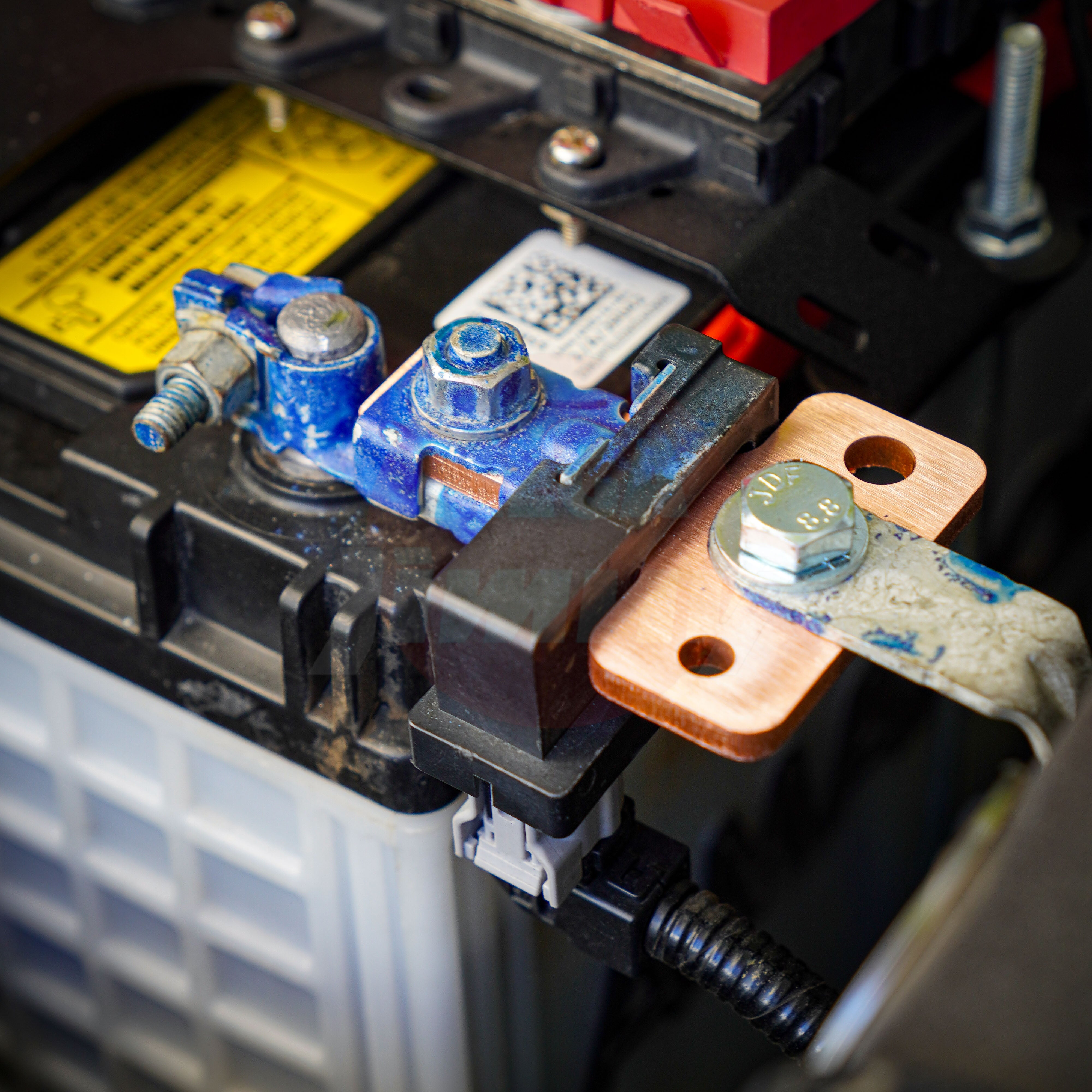
When properly installed with a relay harness that powers lights only when the car is turned on, LED lights will not drain your battery while parked when idling. LEDs are highly efficient, drawing far less power than halogen lights for the same or greater light output.
Are these lights legal for road use in Australia?
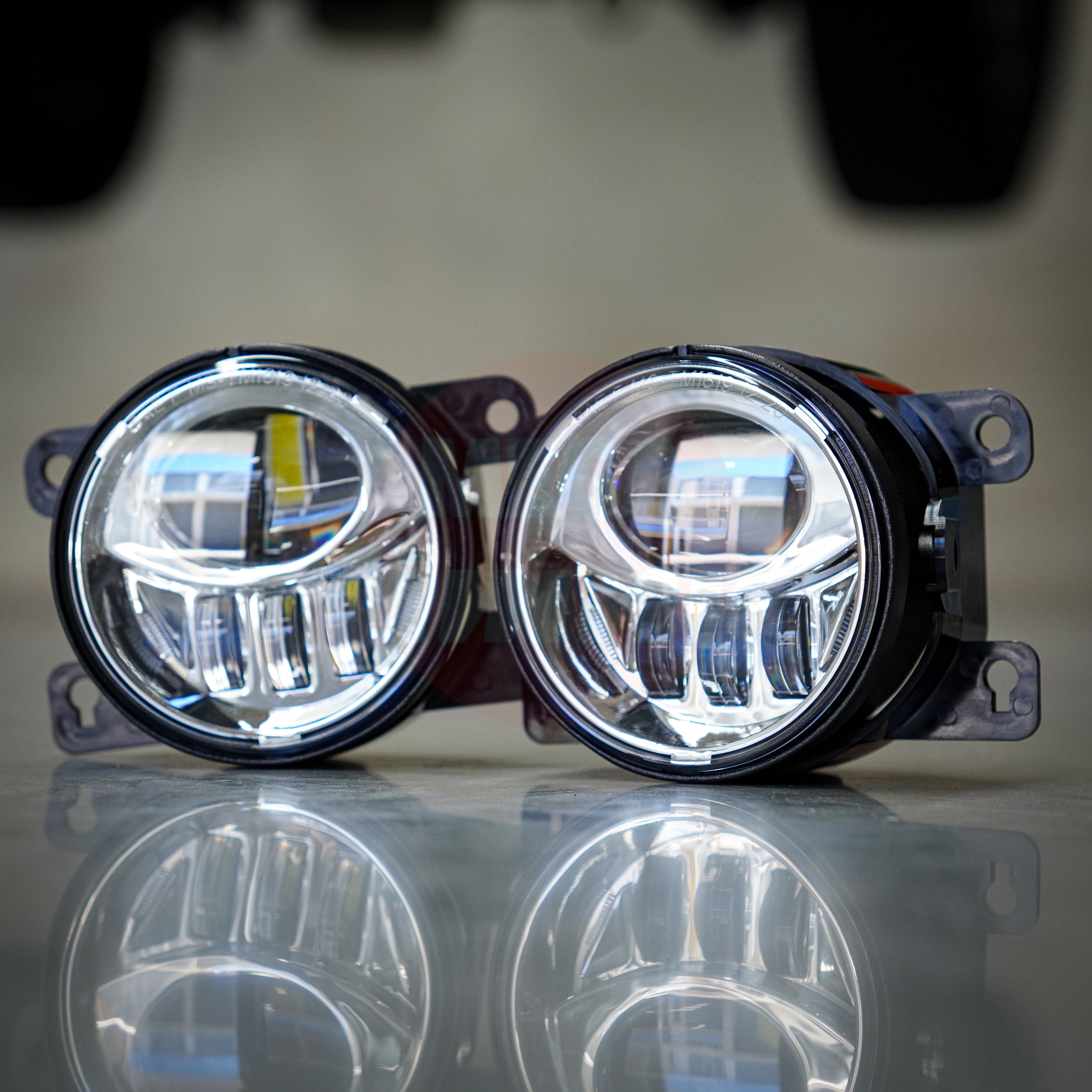
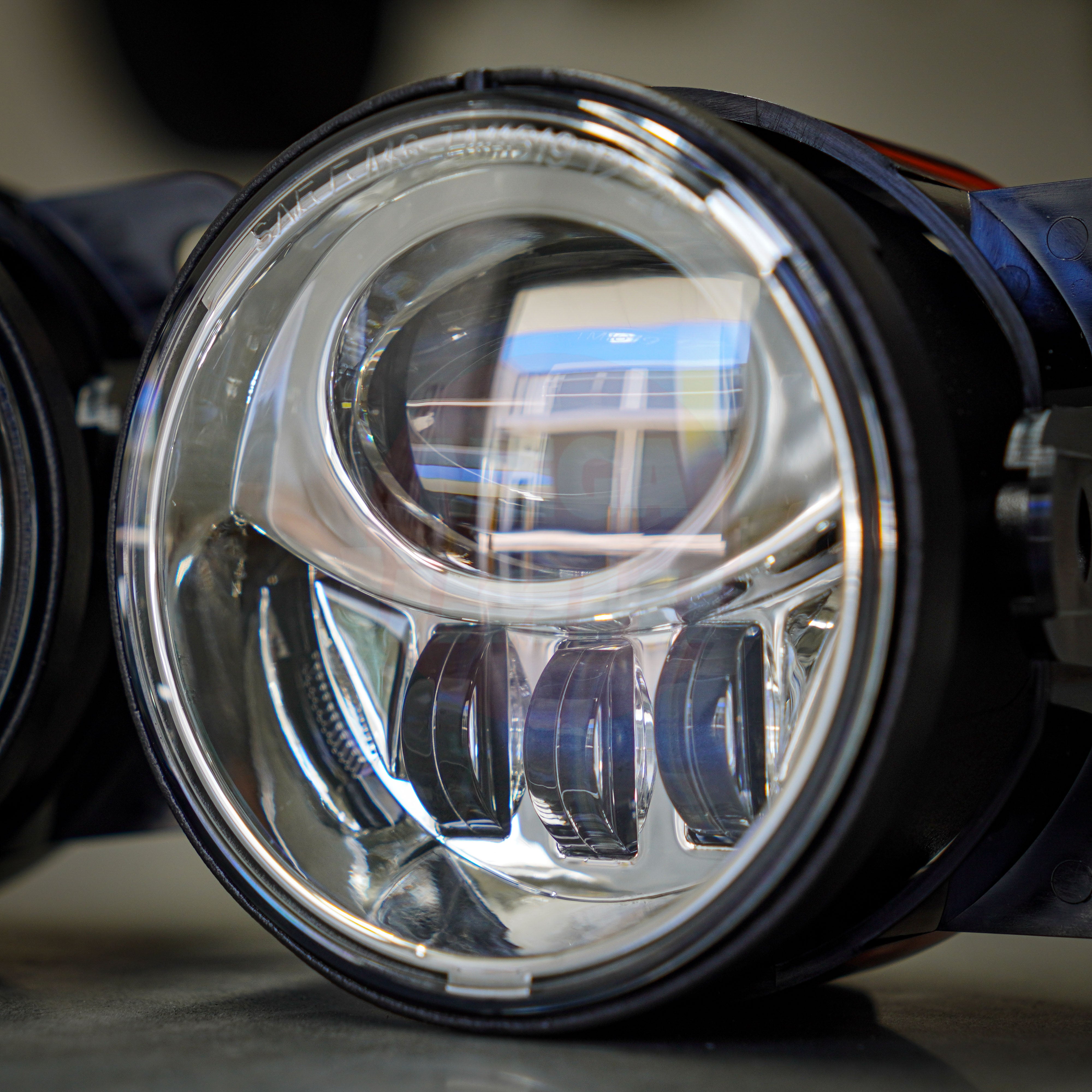
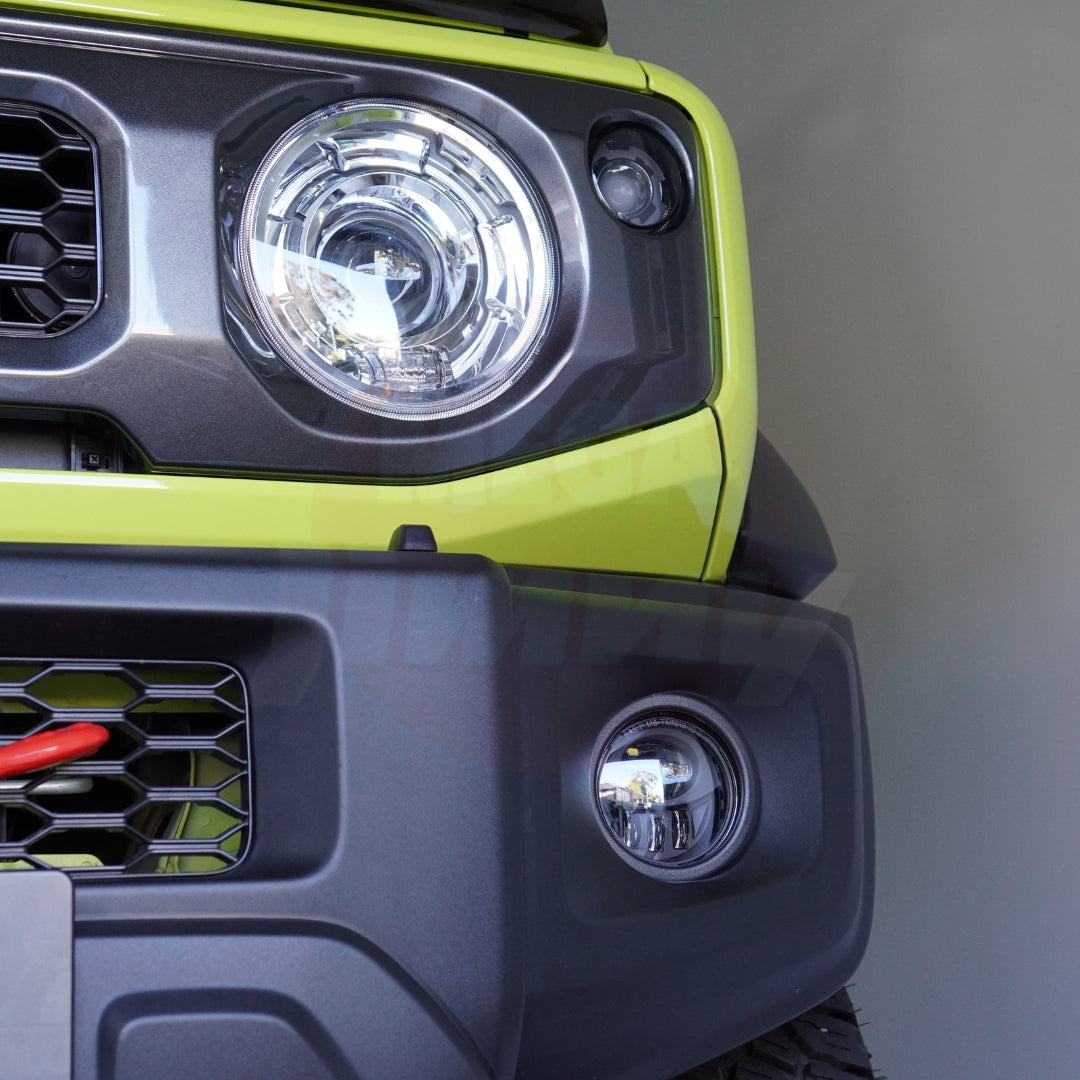
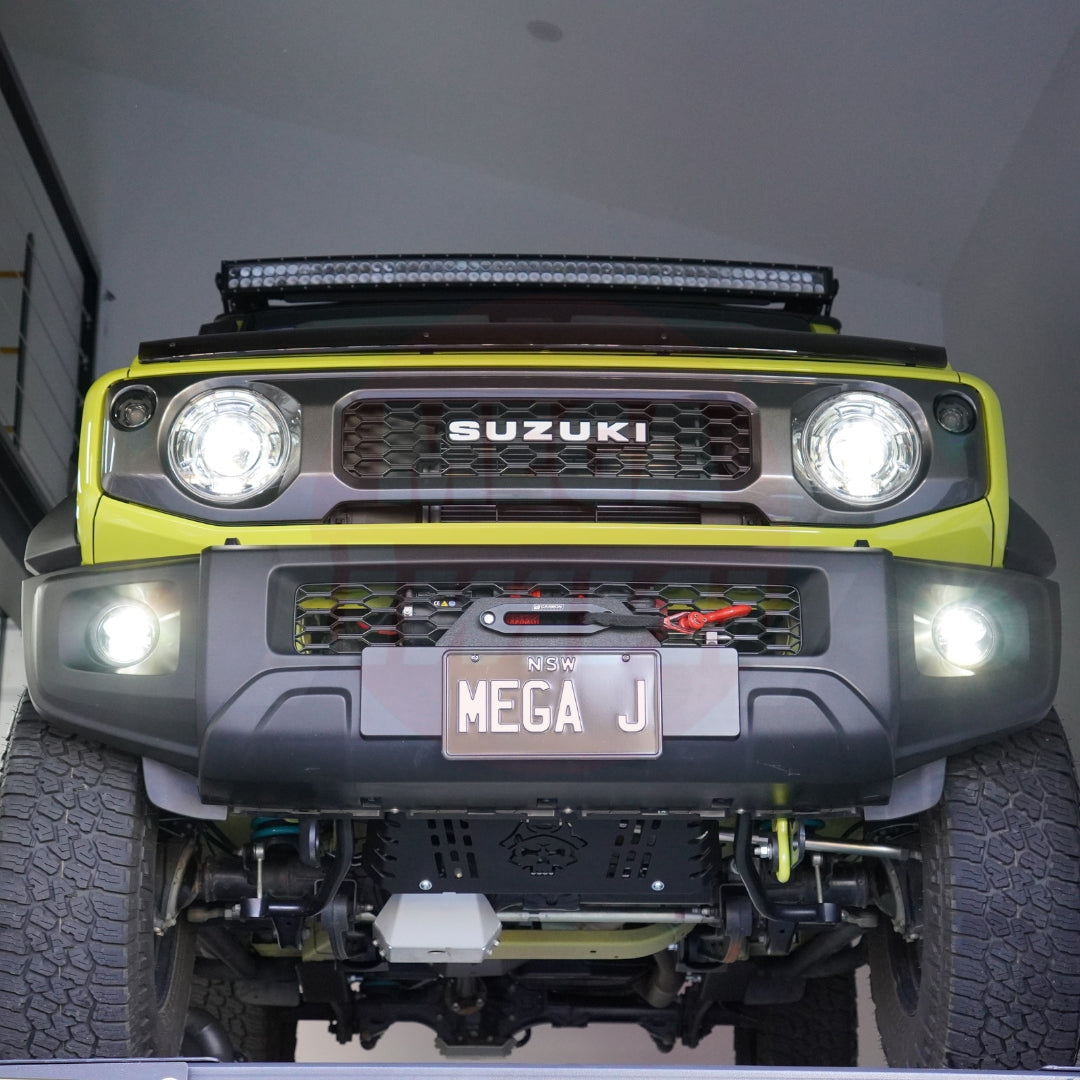
Regulations vary by state, but generally, auxiliary driving lights and light bars must be wired to only operate with high beams and must be covered or switched off when driving on public roads in traffic. Fog lights can typically be used in adverse weather conditions. It is your responsibility to ensure compliance with your local road authority regulations (e.g., ADR in Australia). We recommend consulting your state's transport authority or a qualified auto electrician for specific guidance.
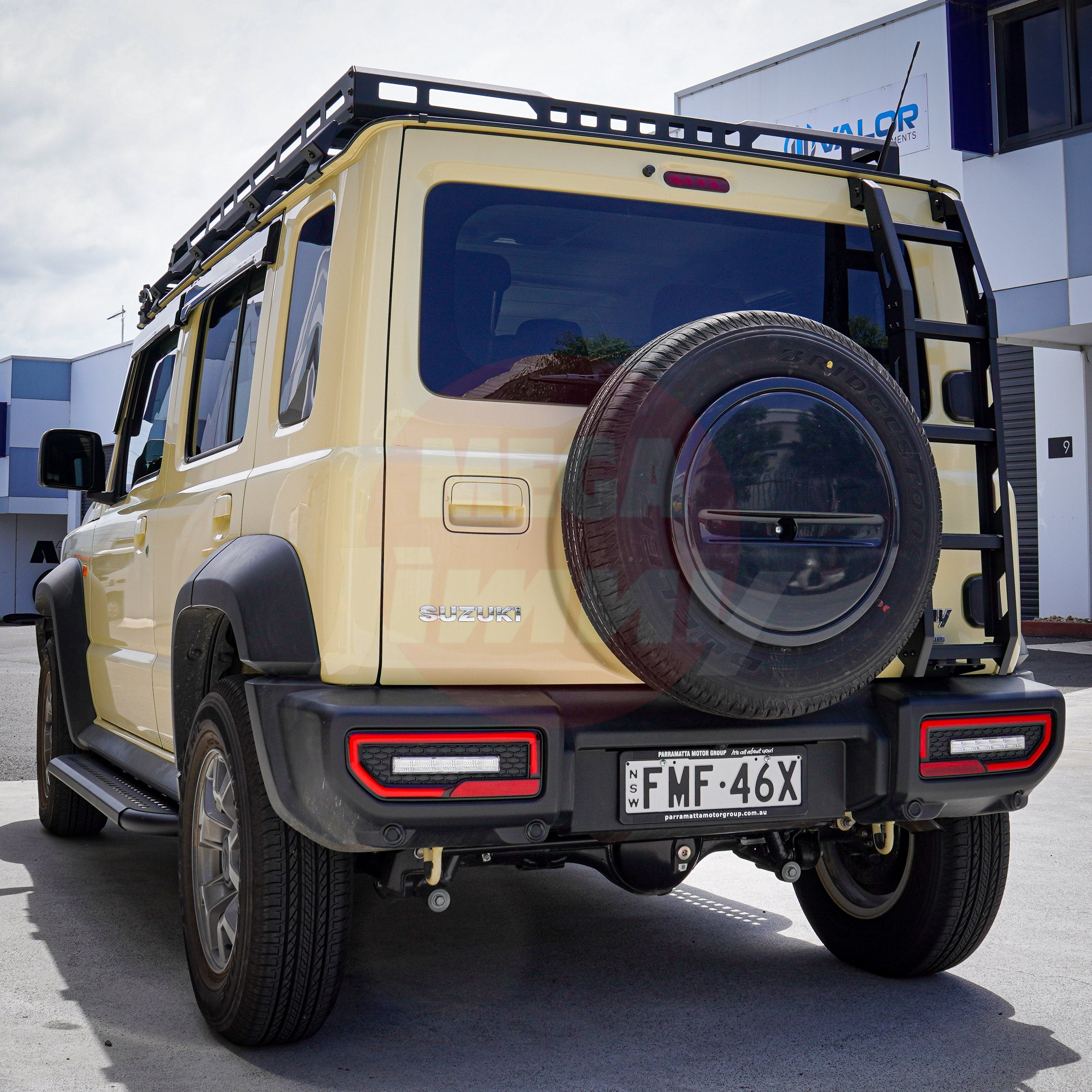
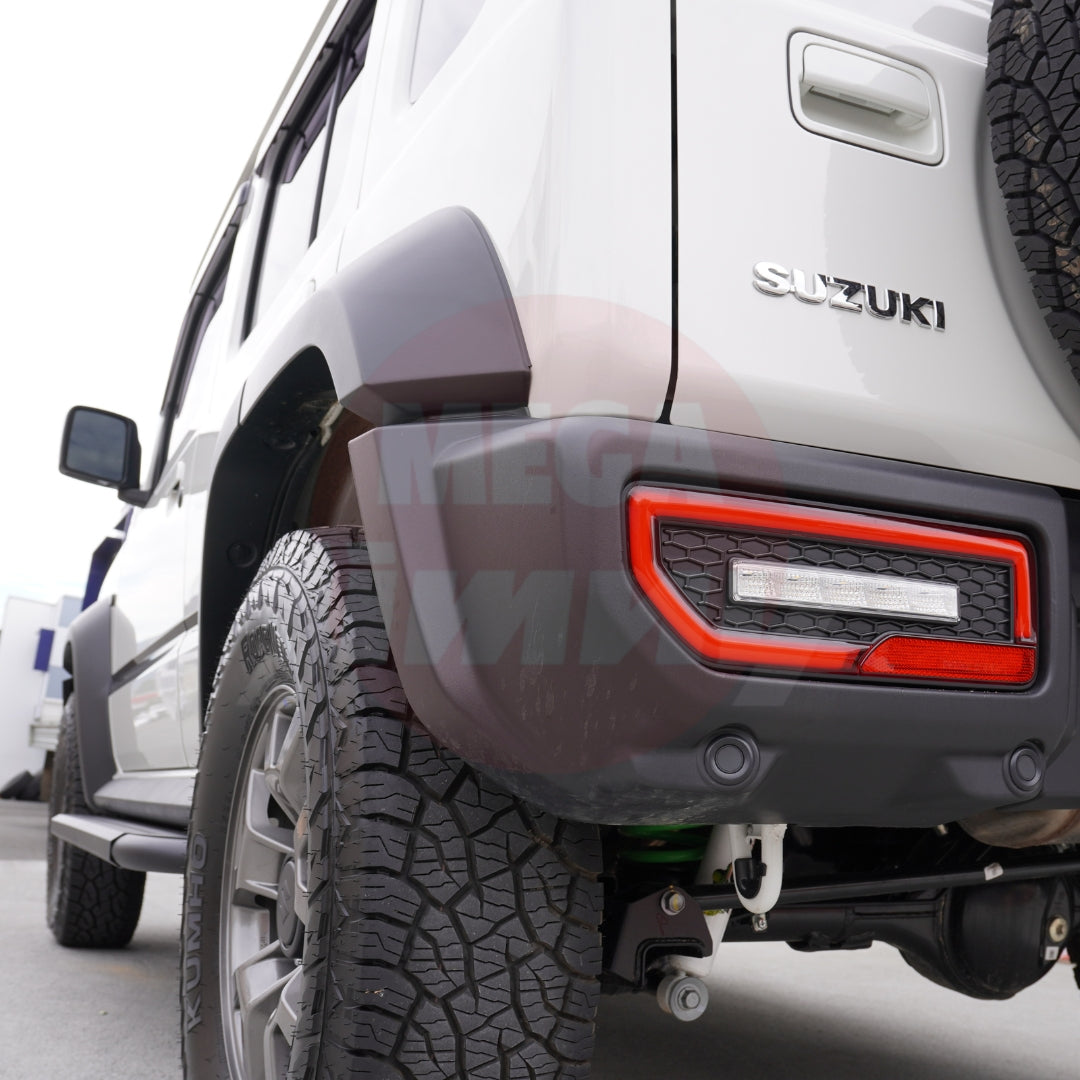
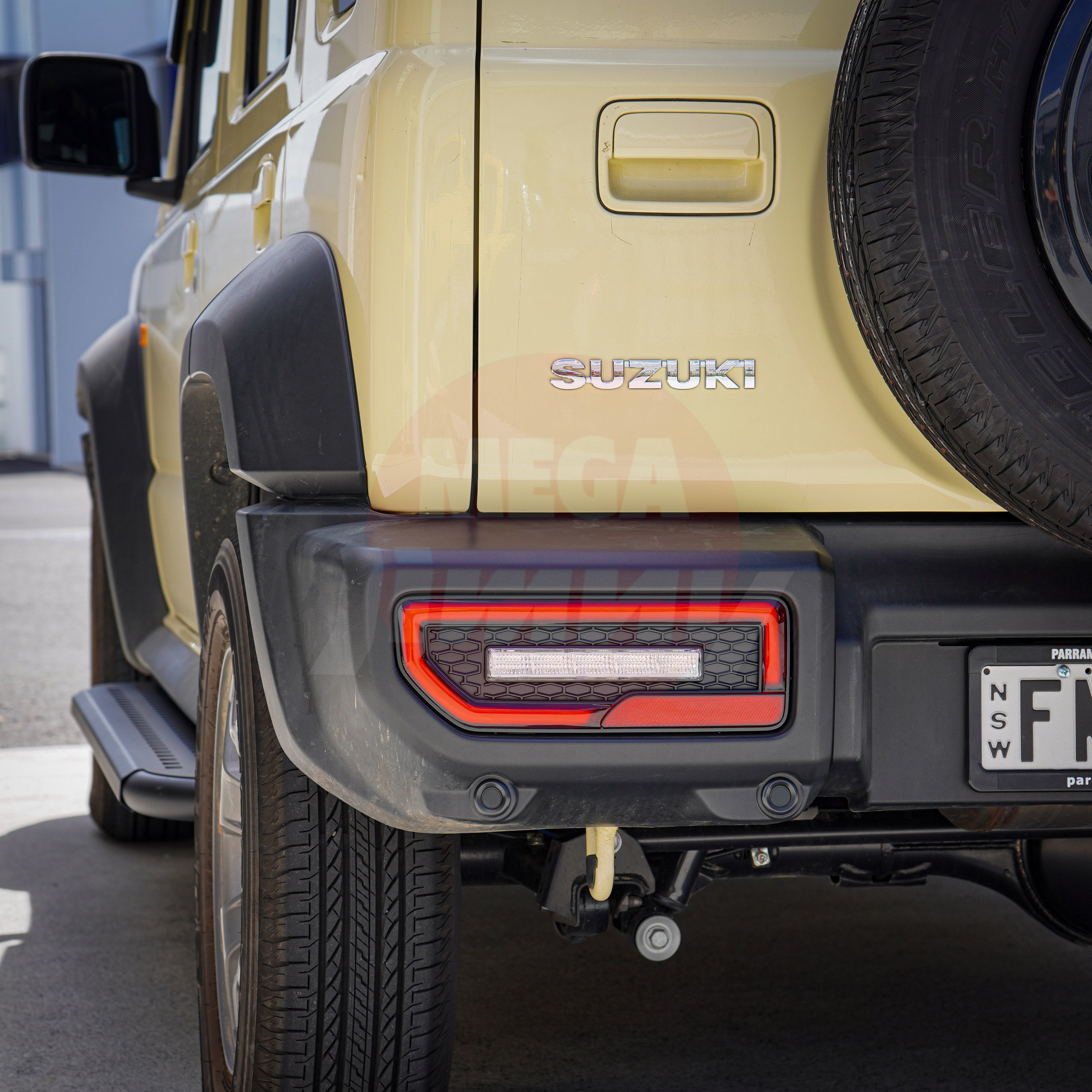
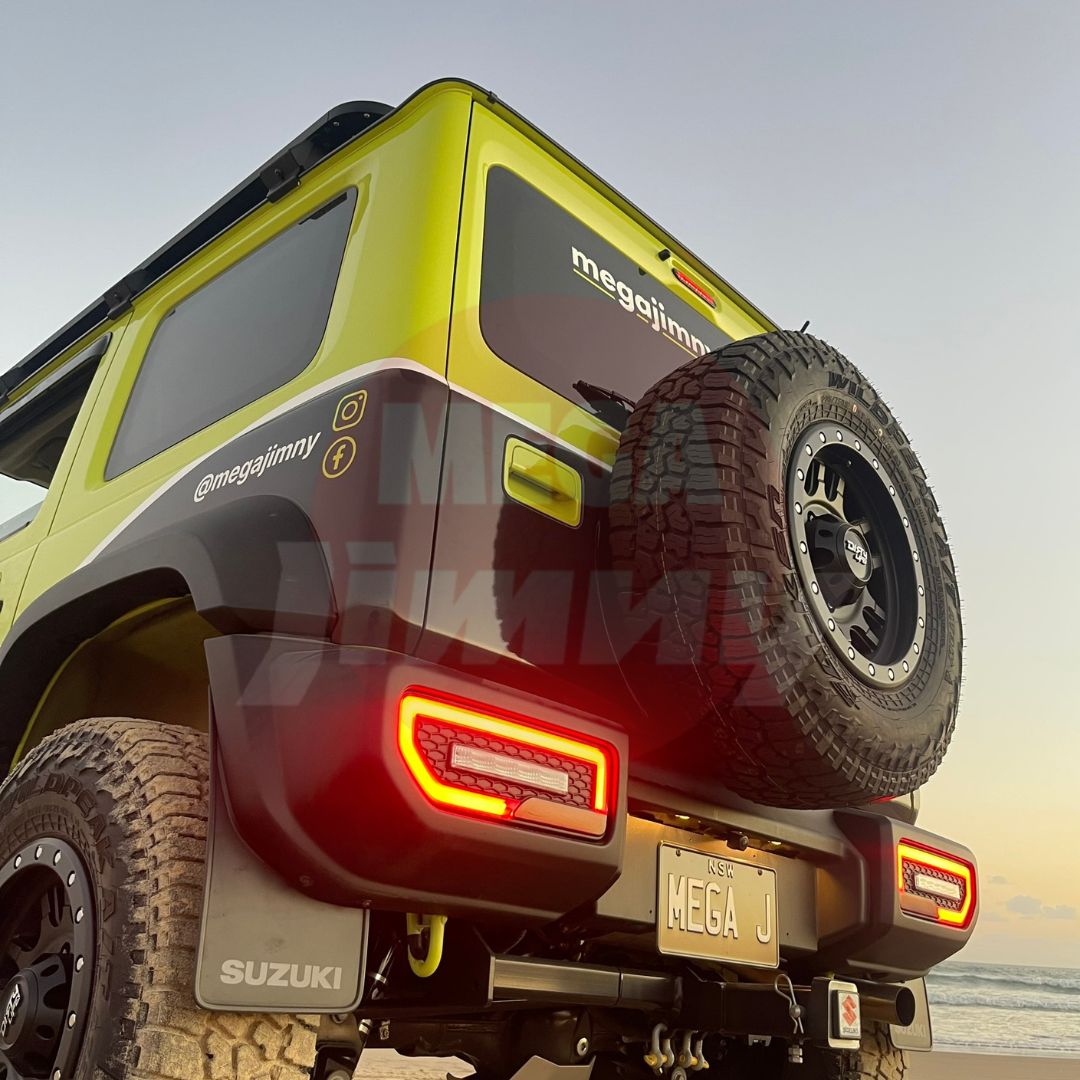
Can I install LED tail lights myself, or do I need a professional?
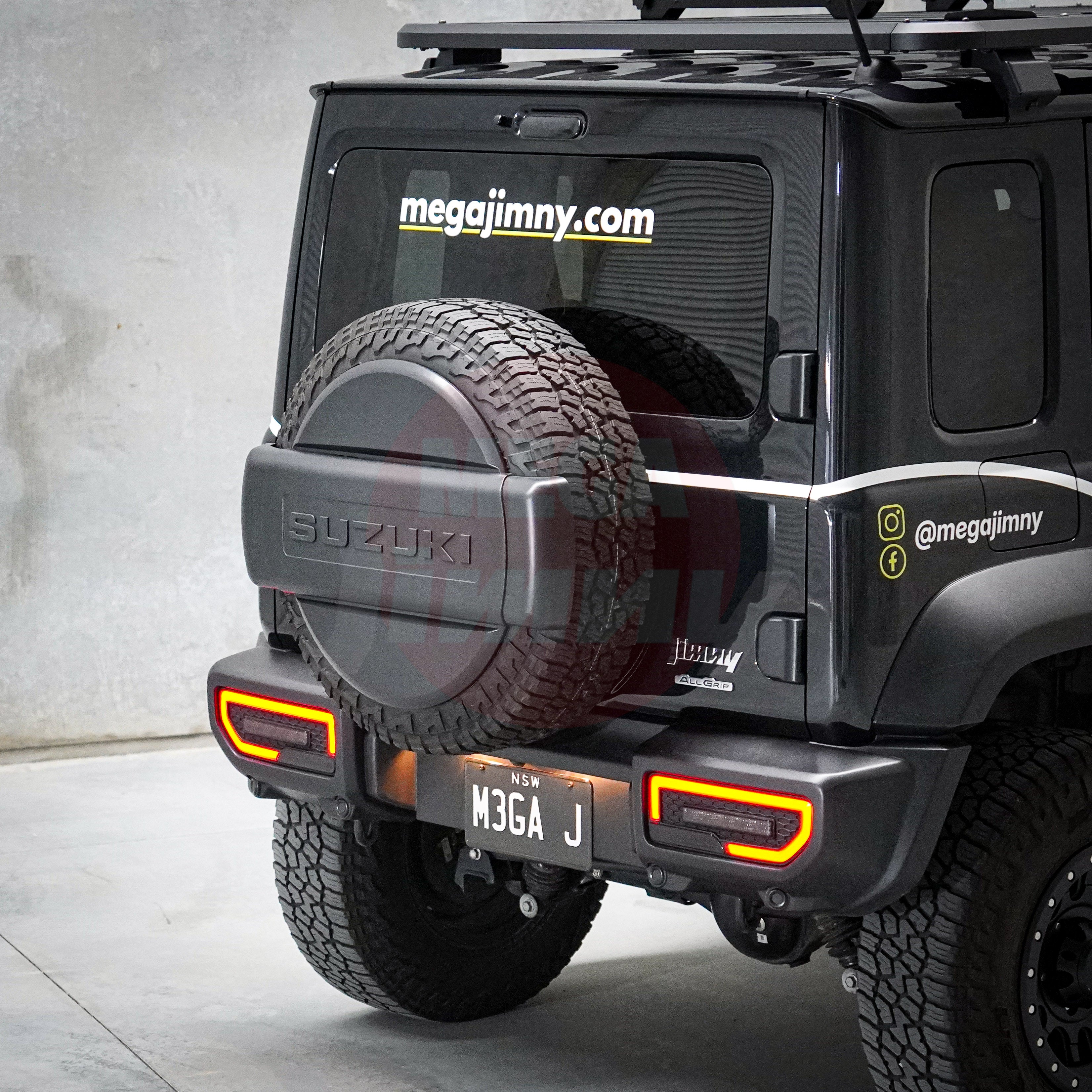
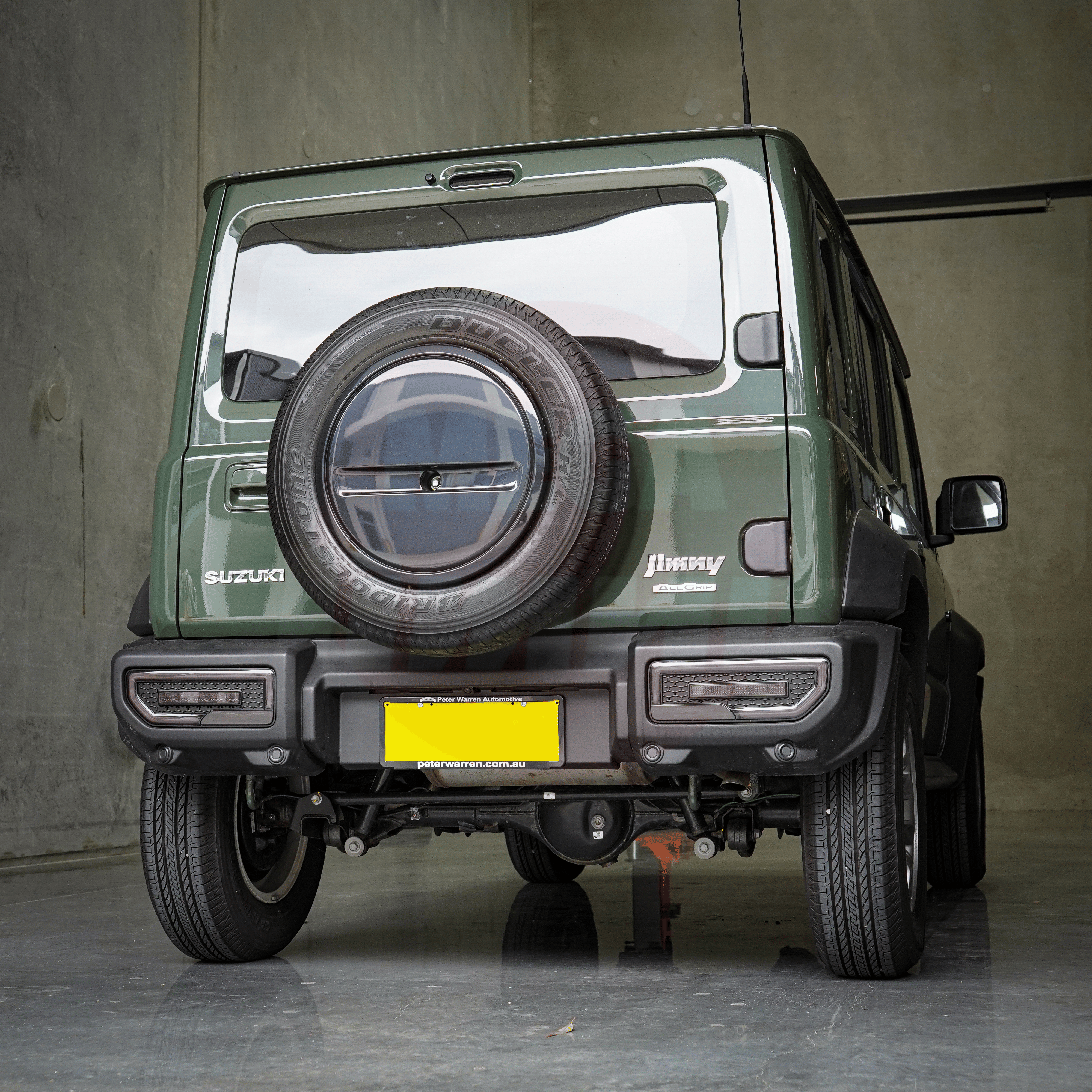
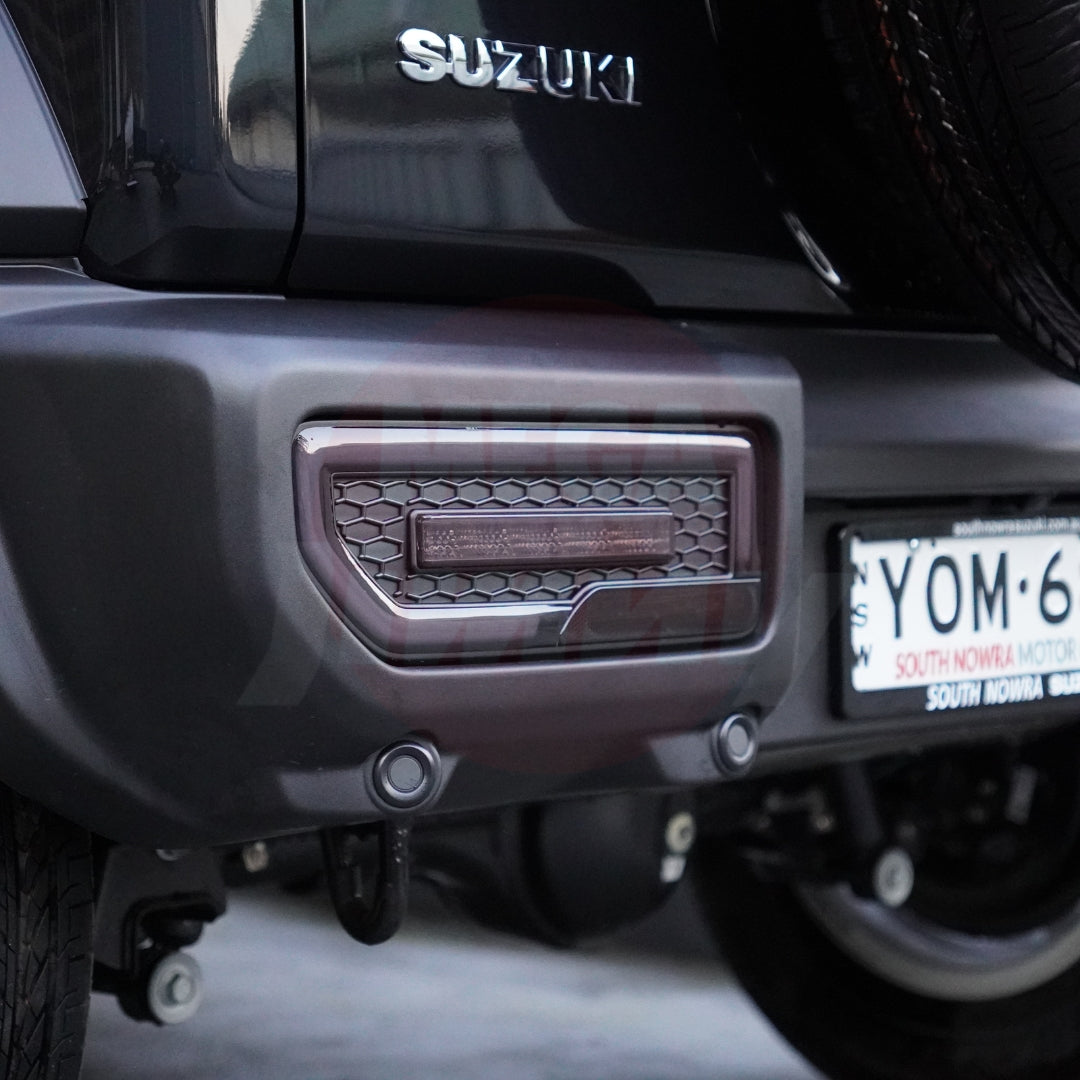
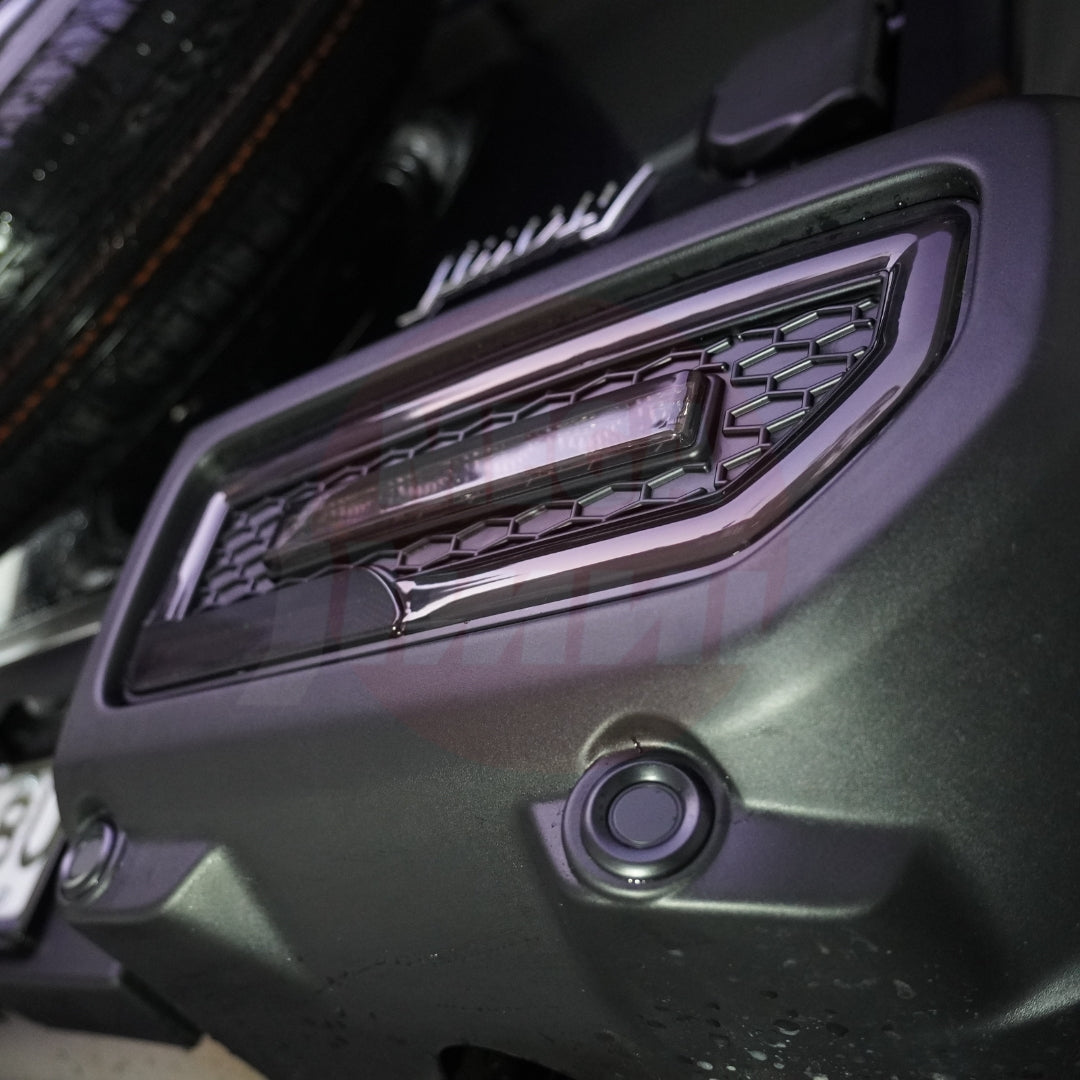
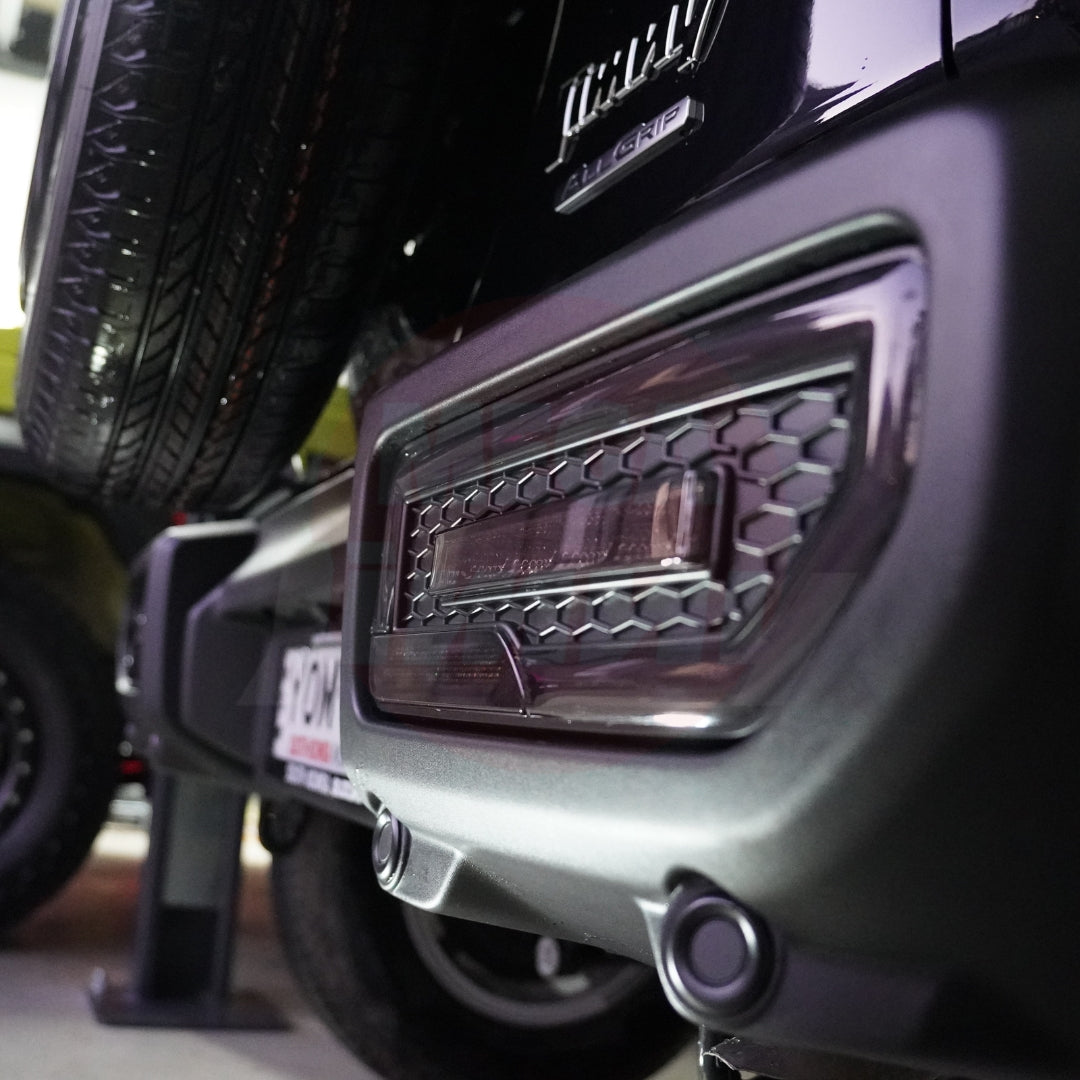
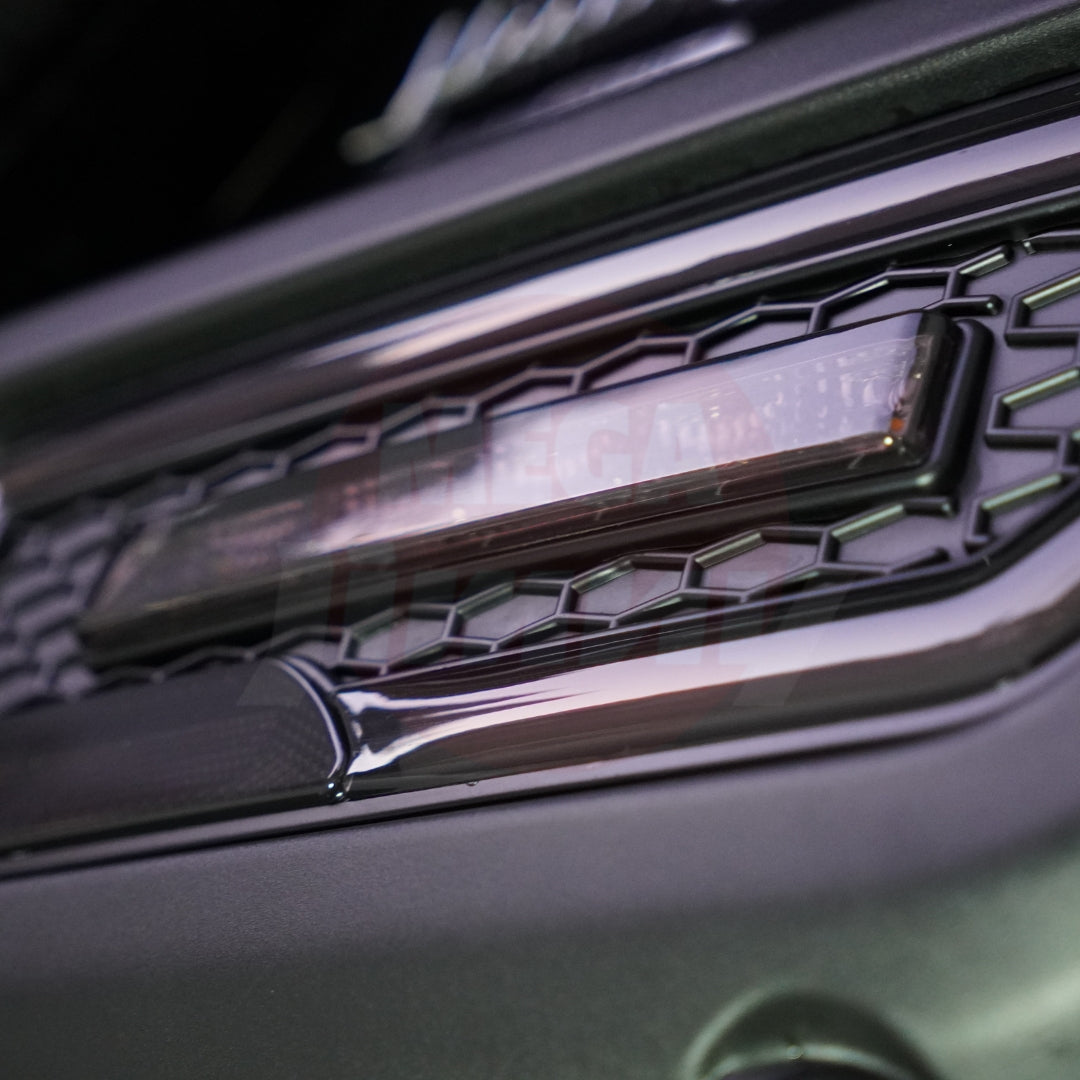
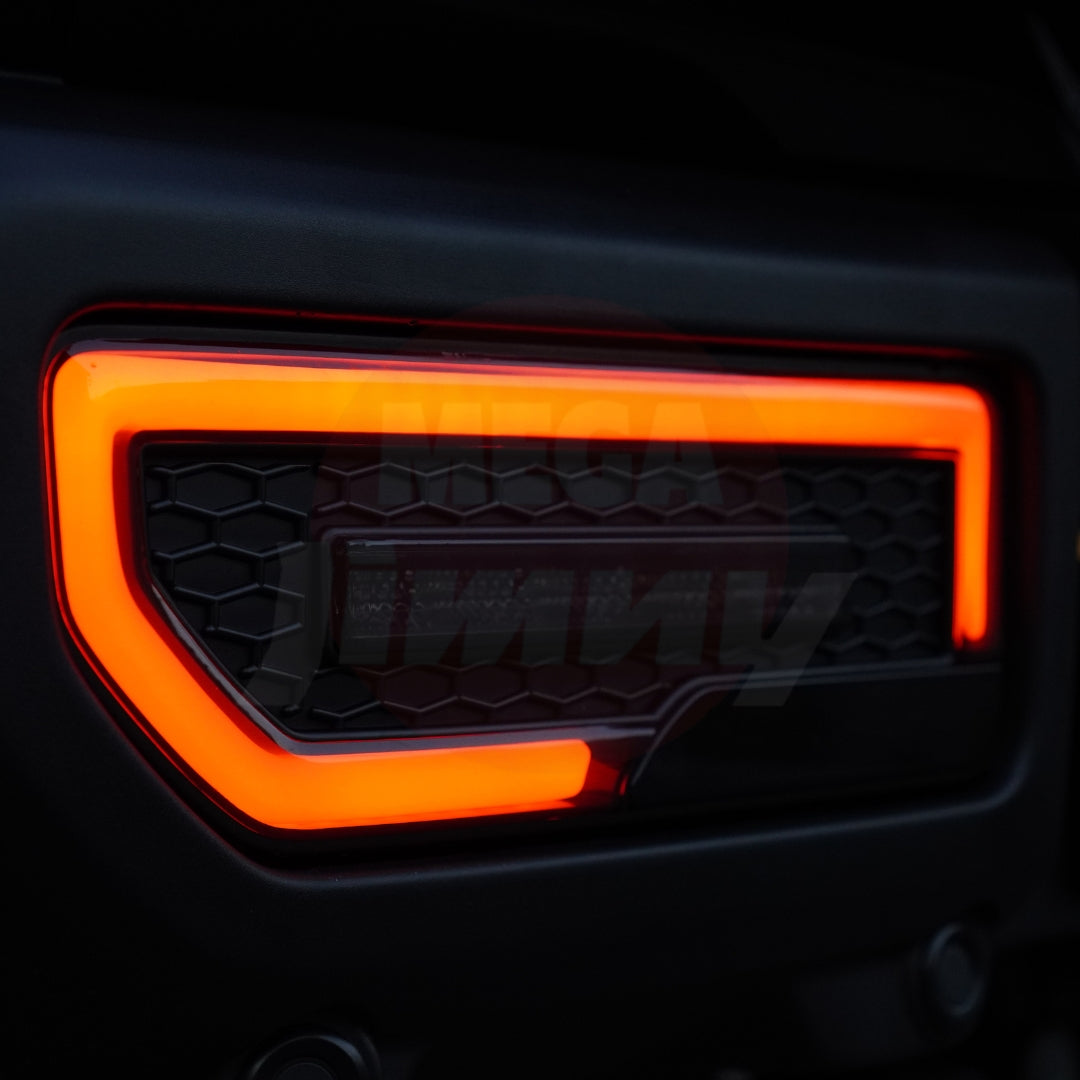
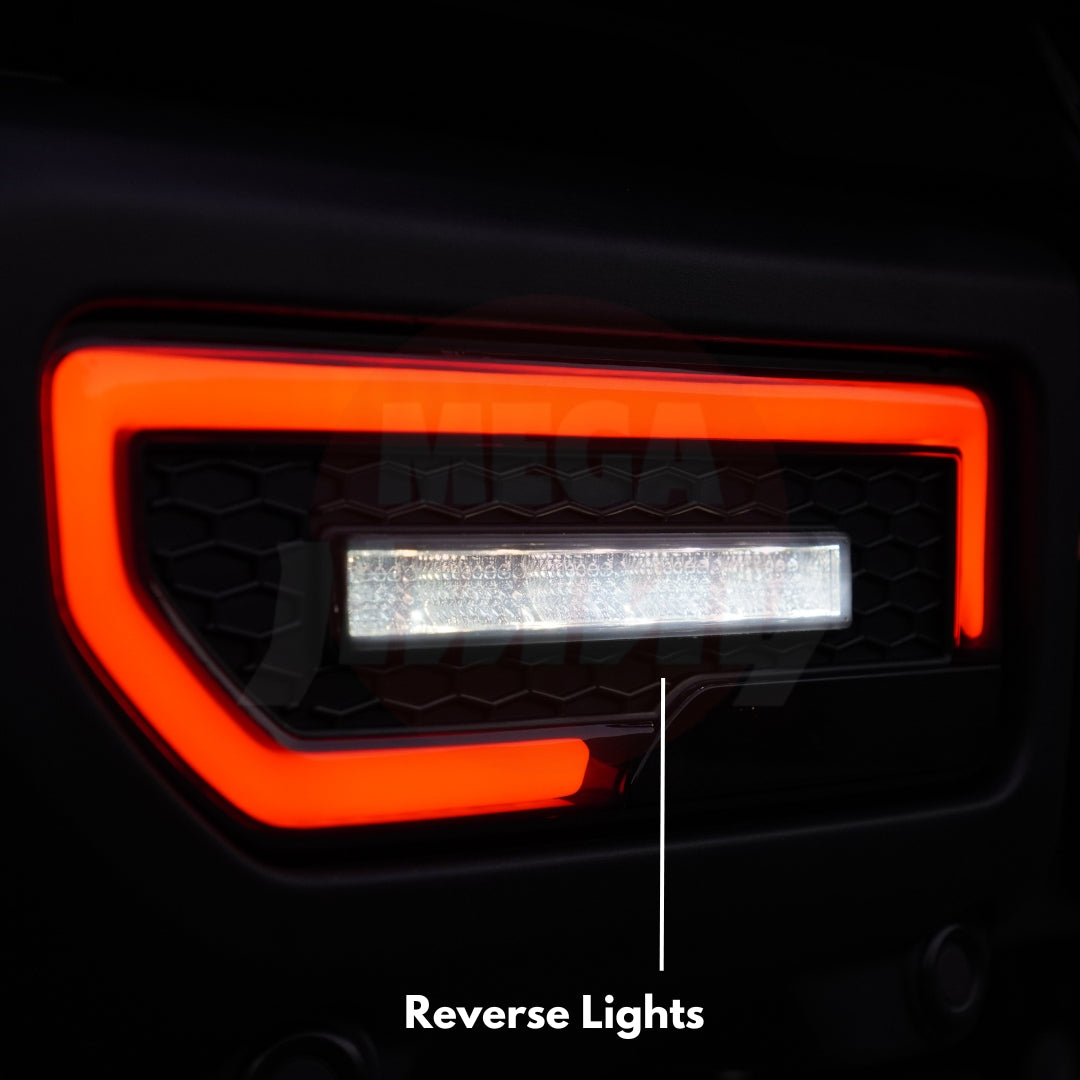
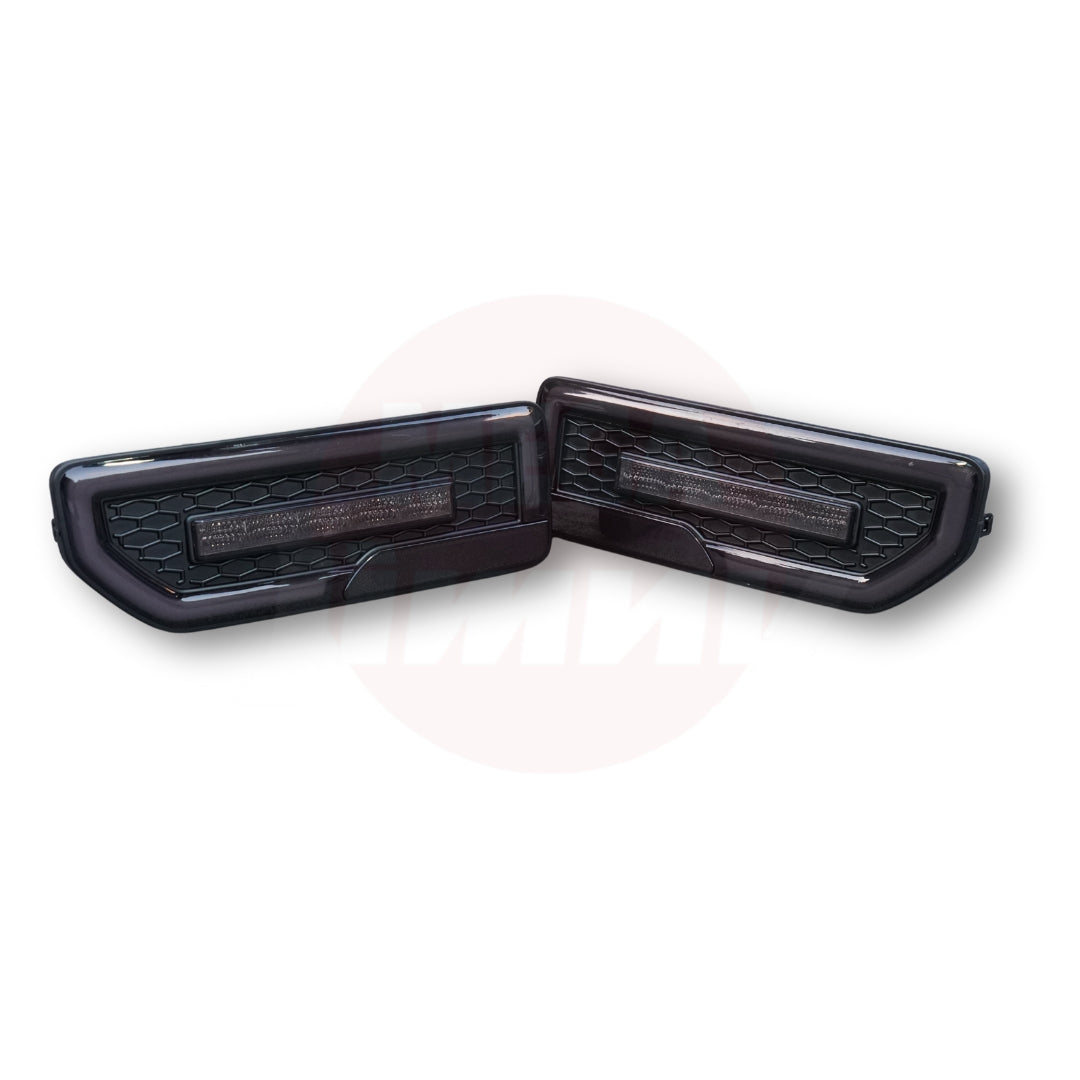
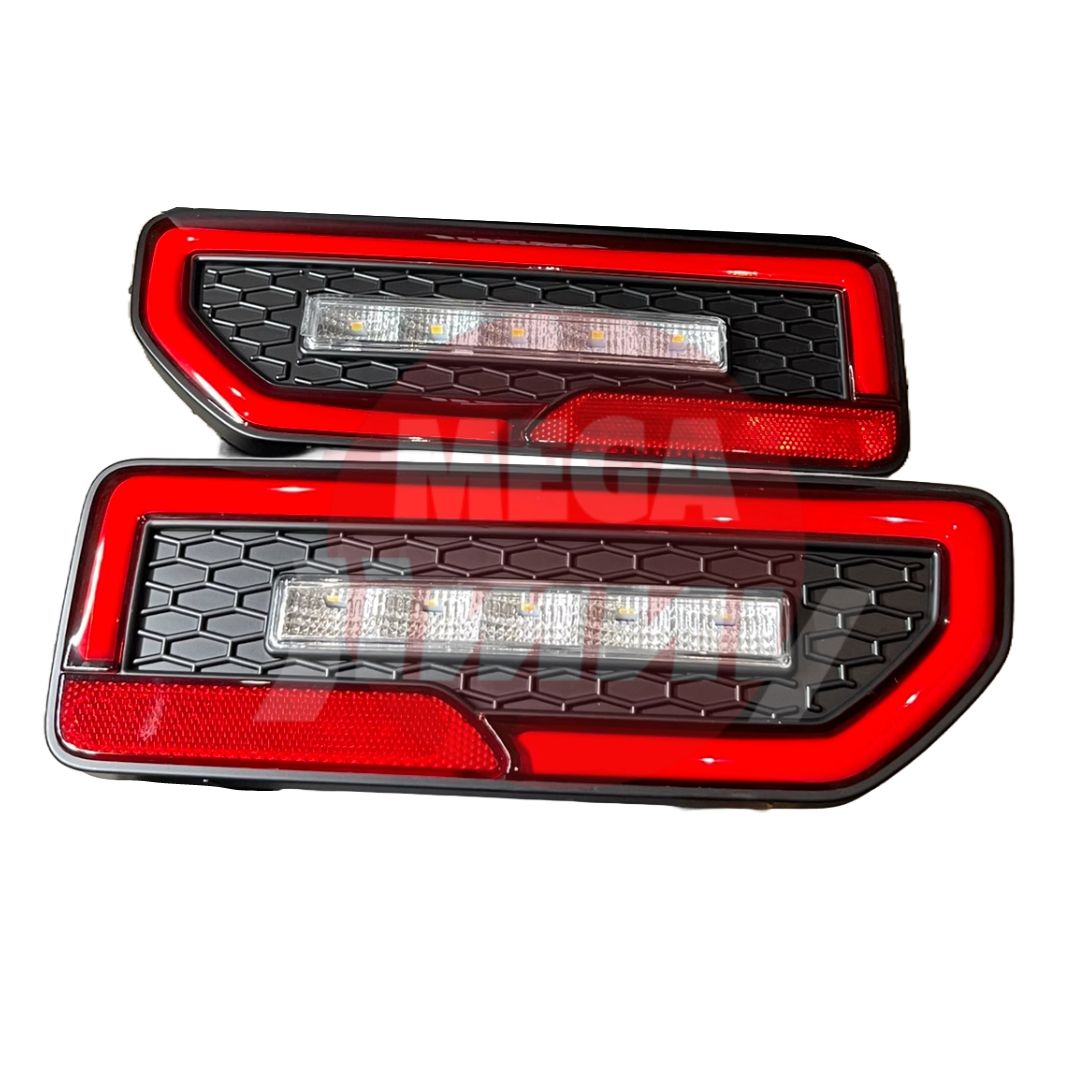
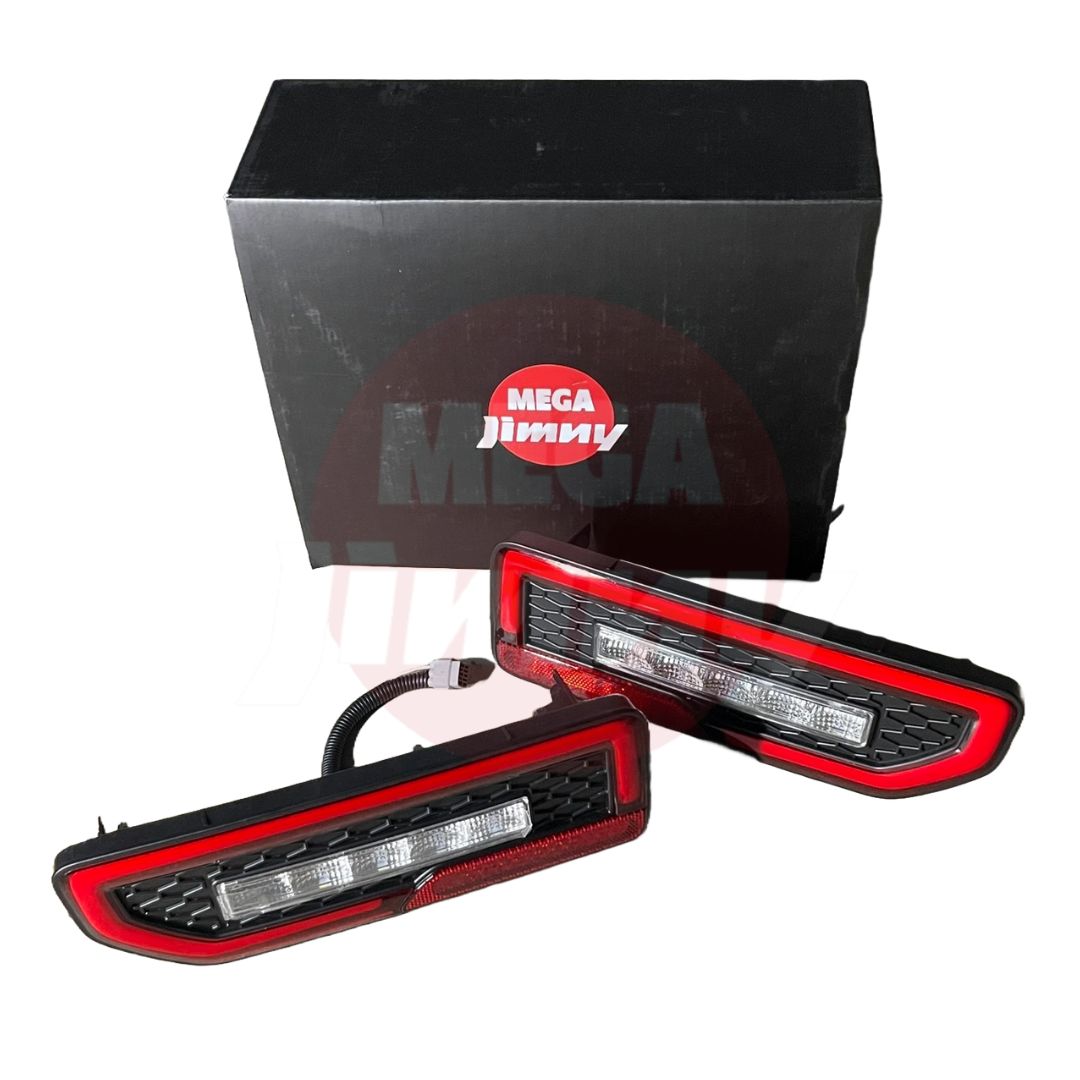
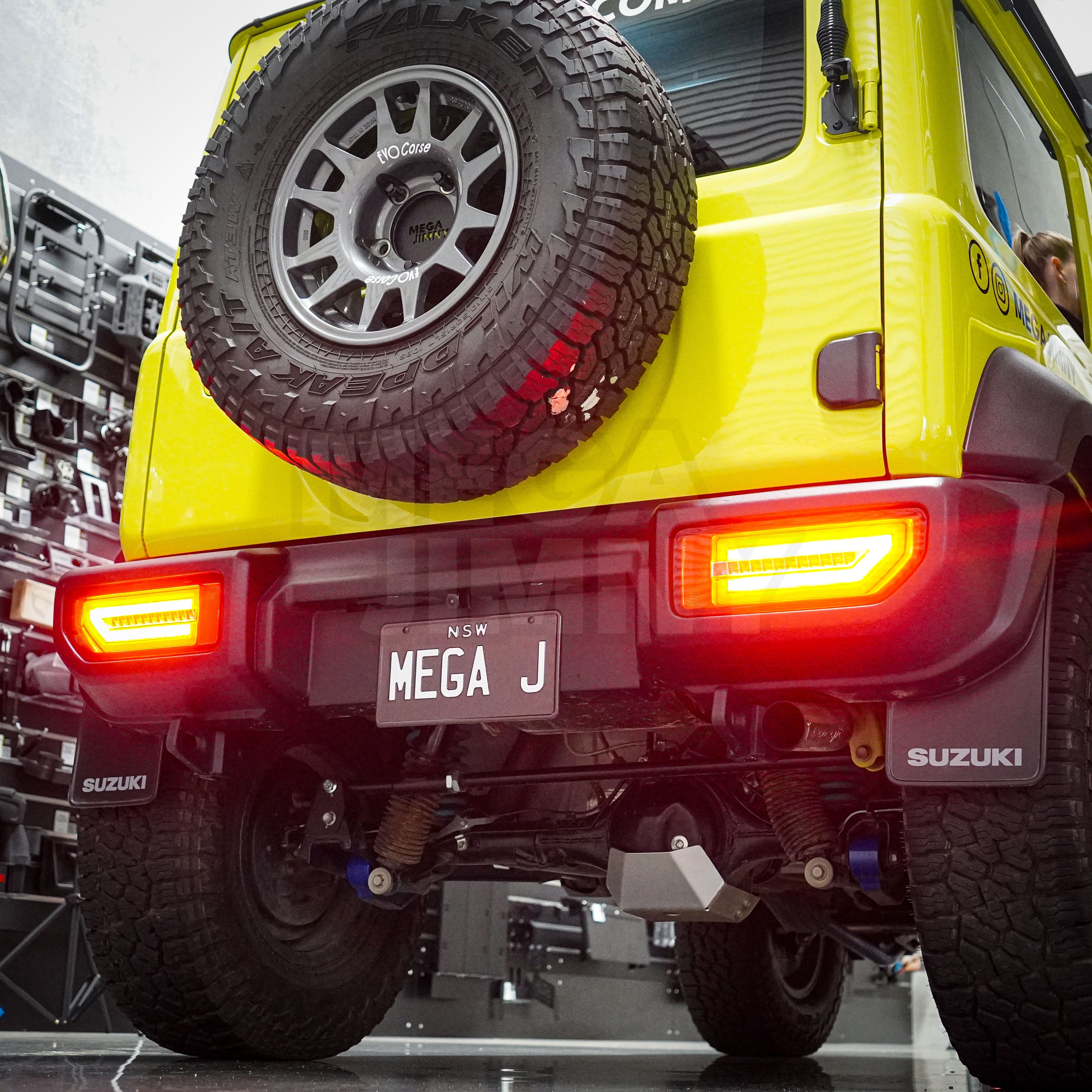
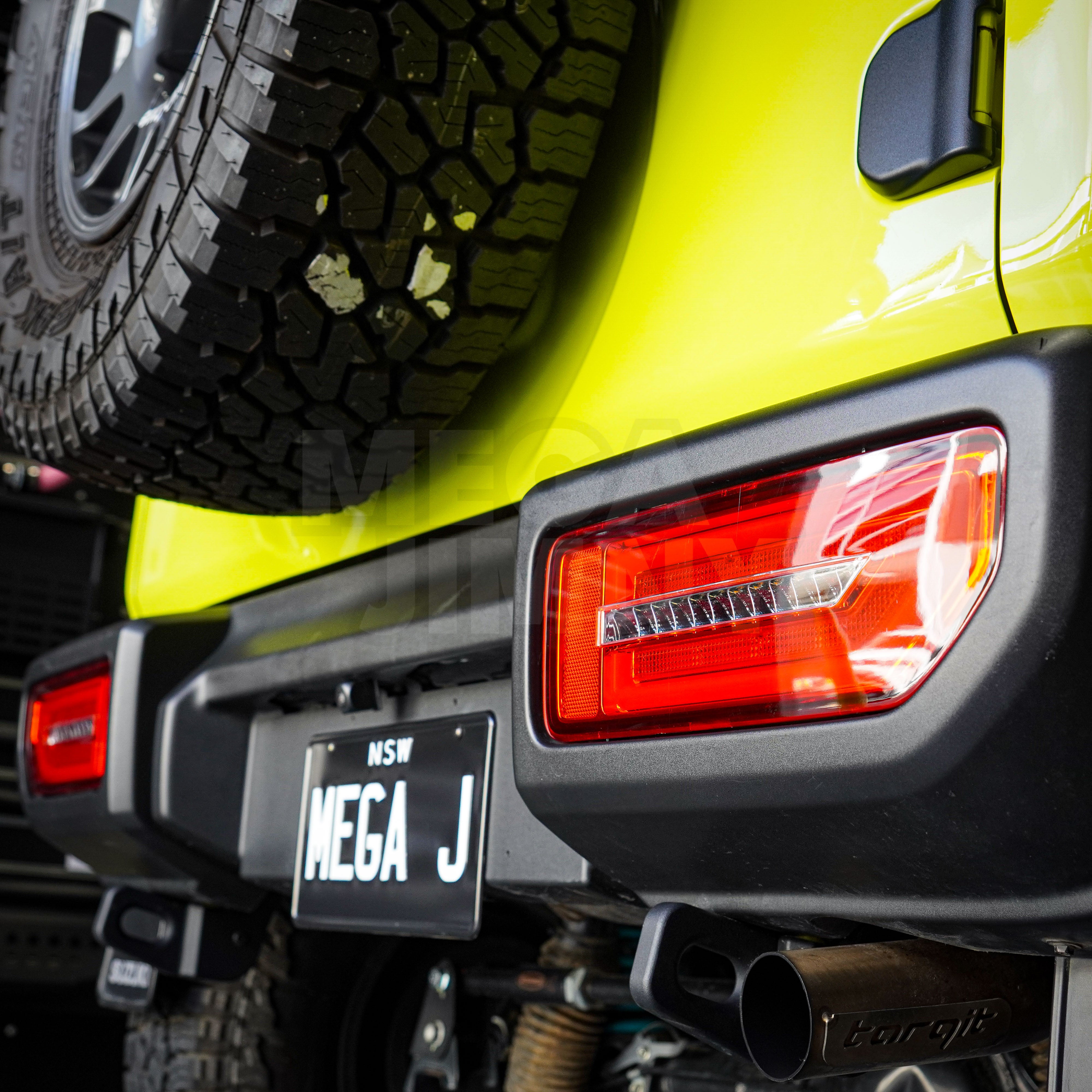
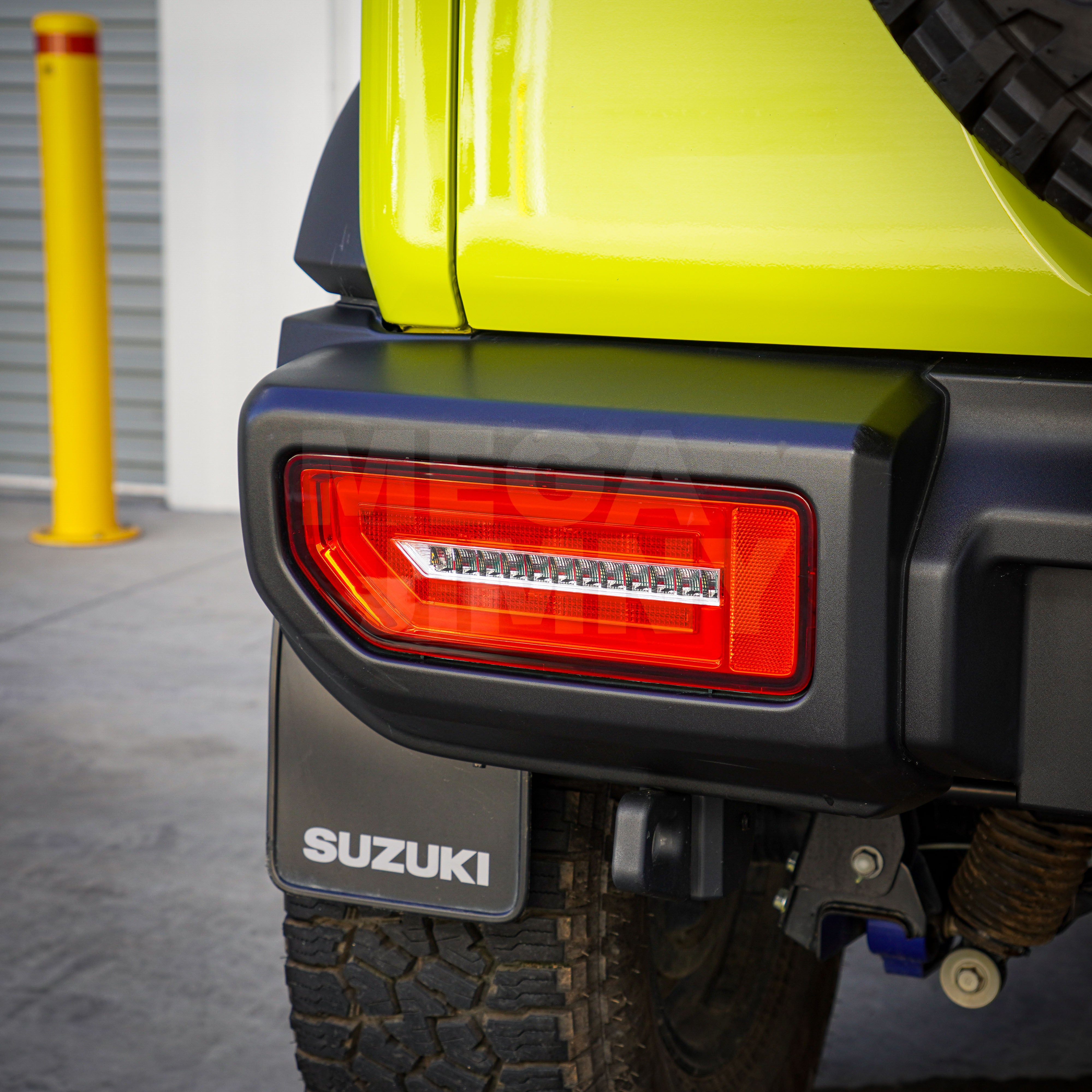
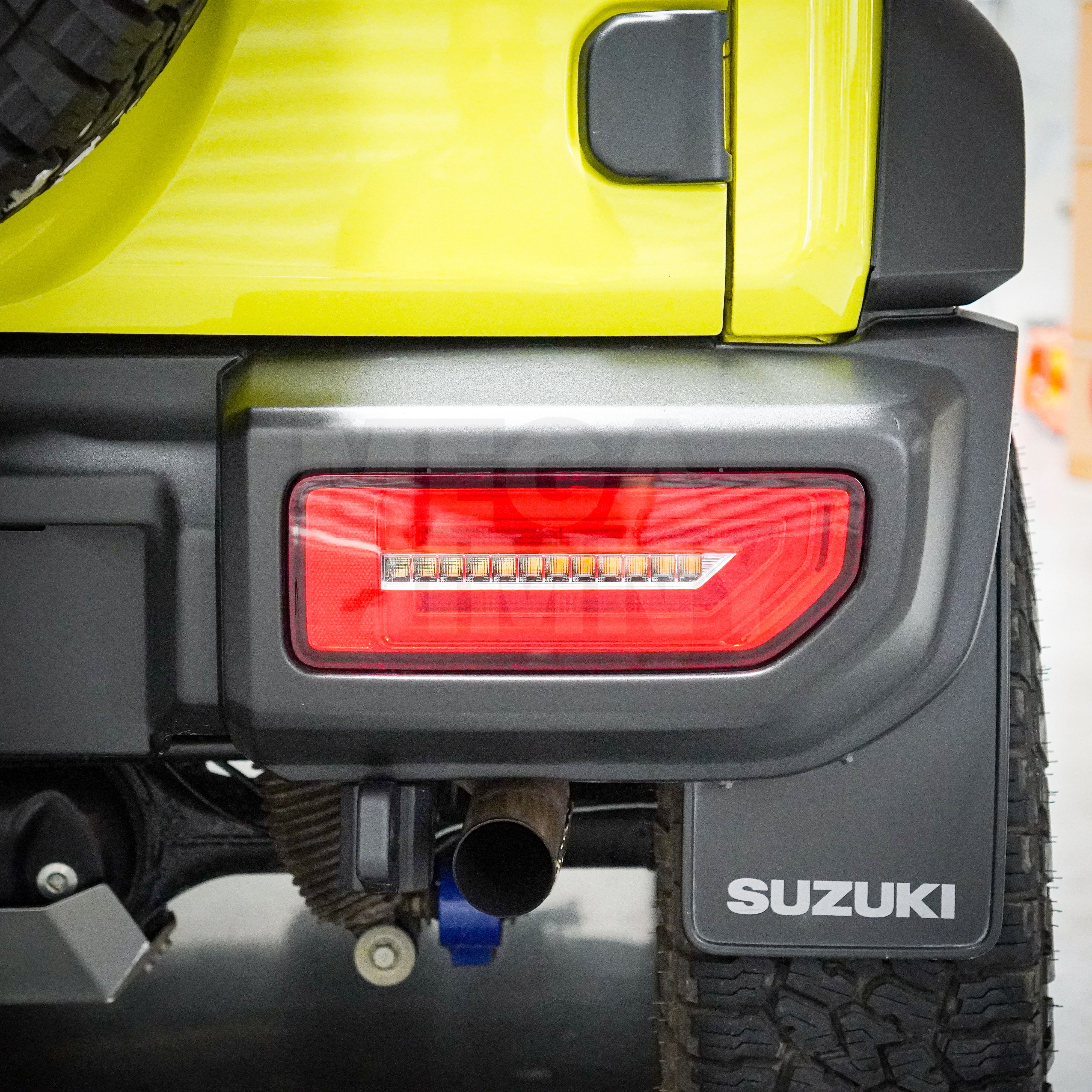
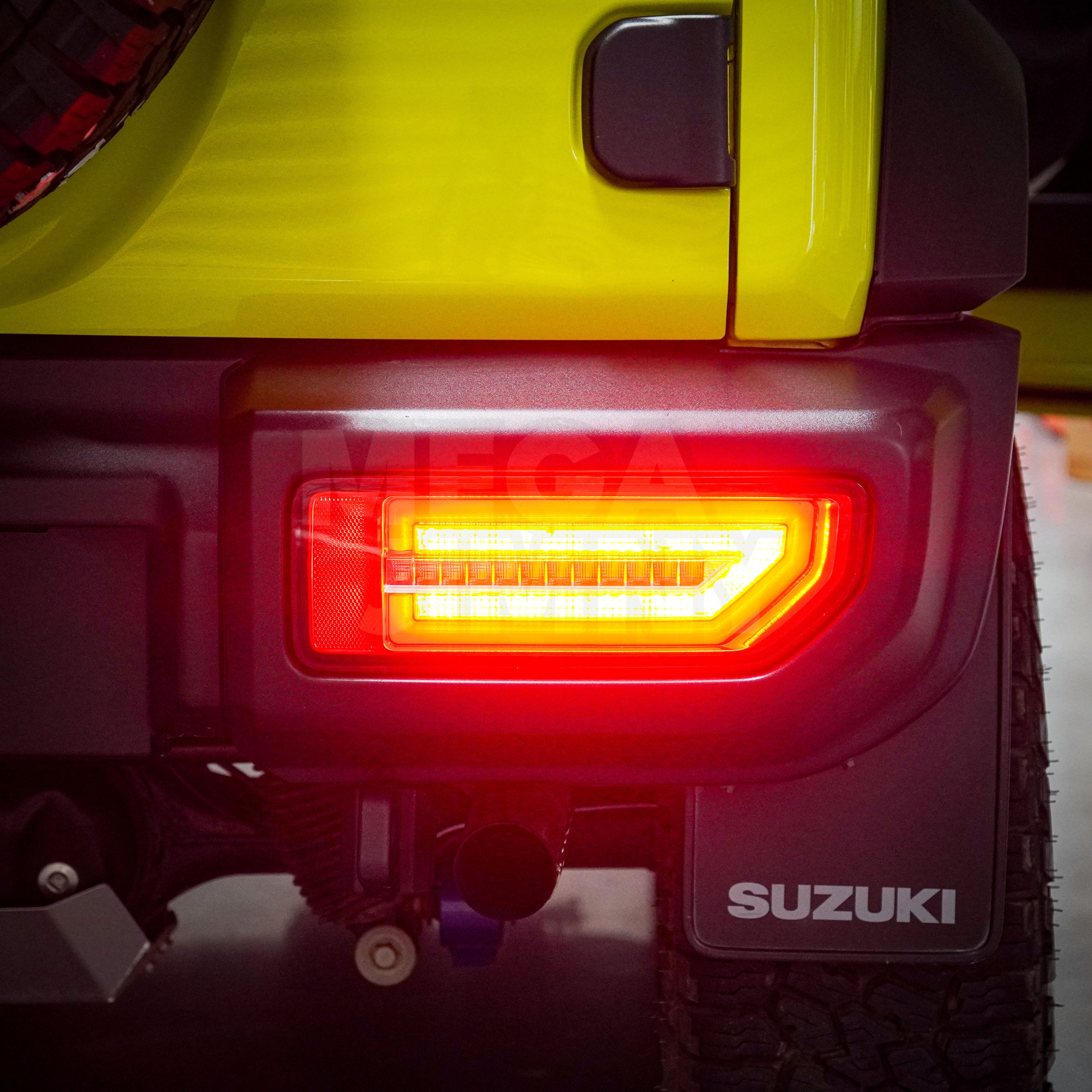
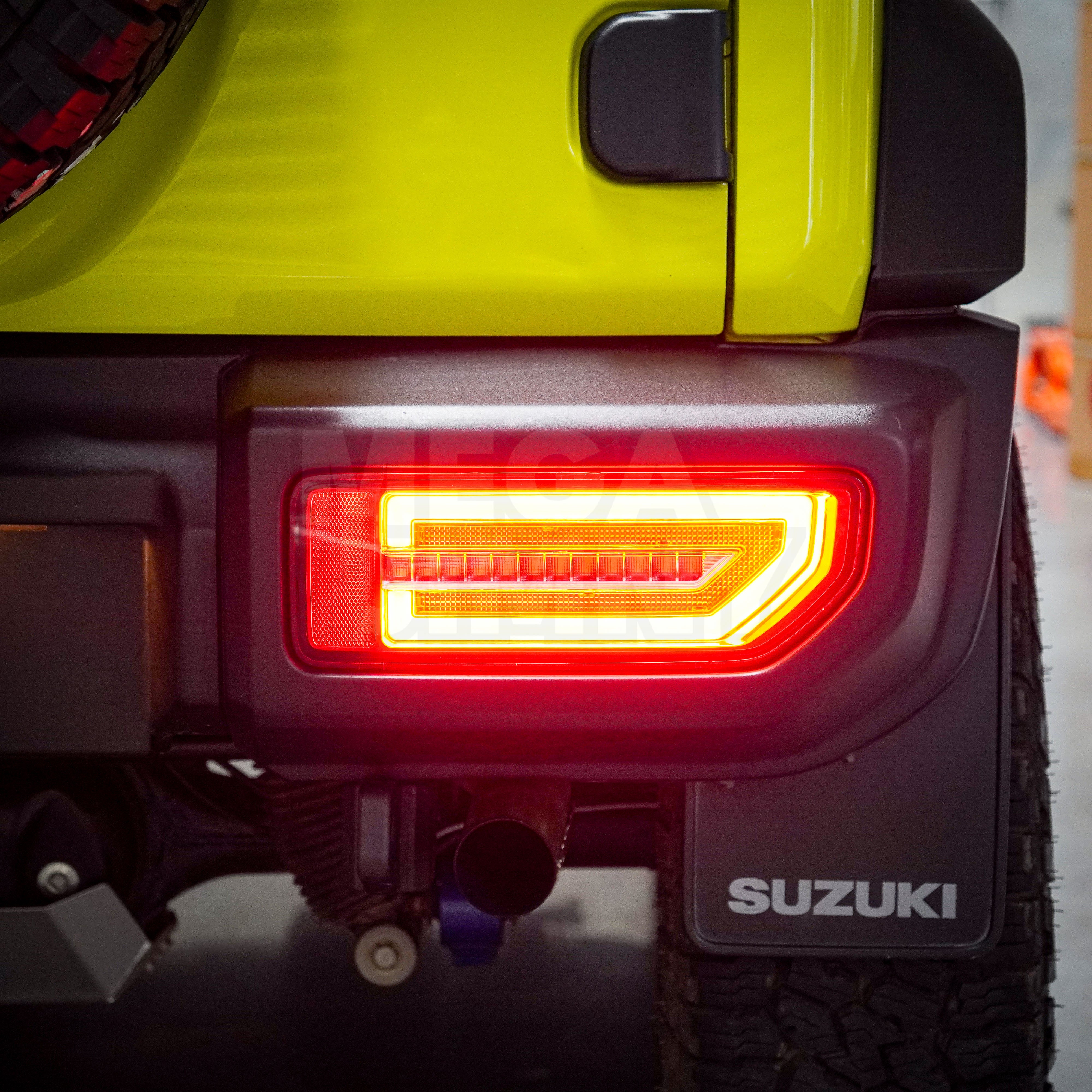
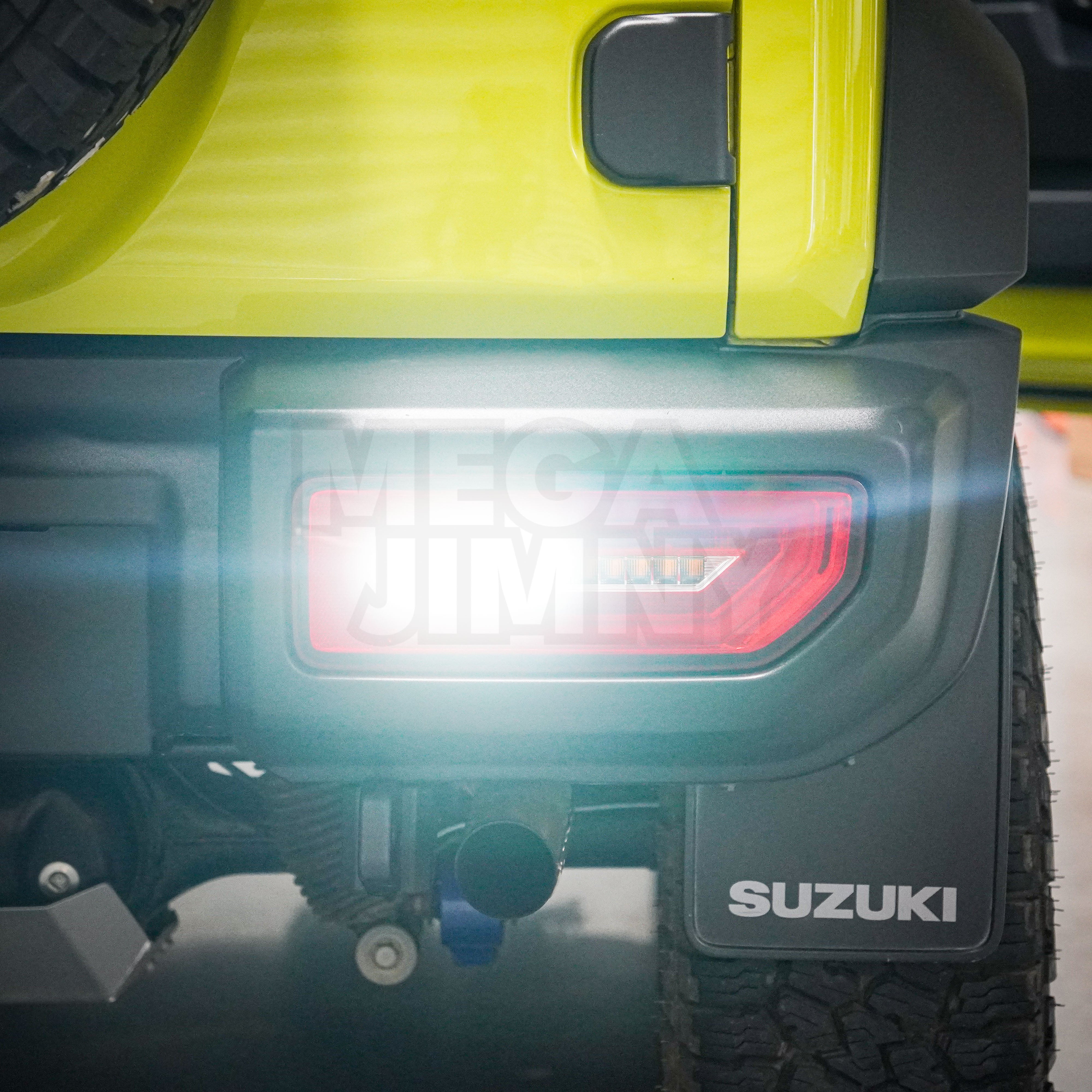
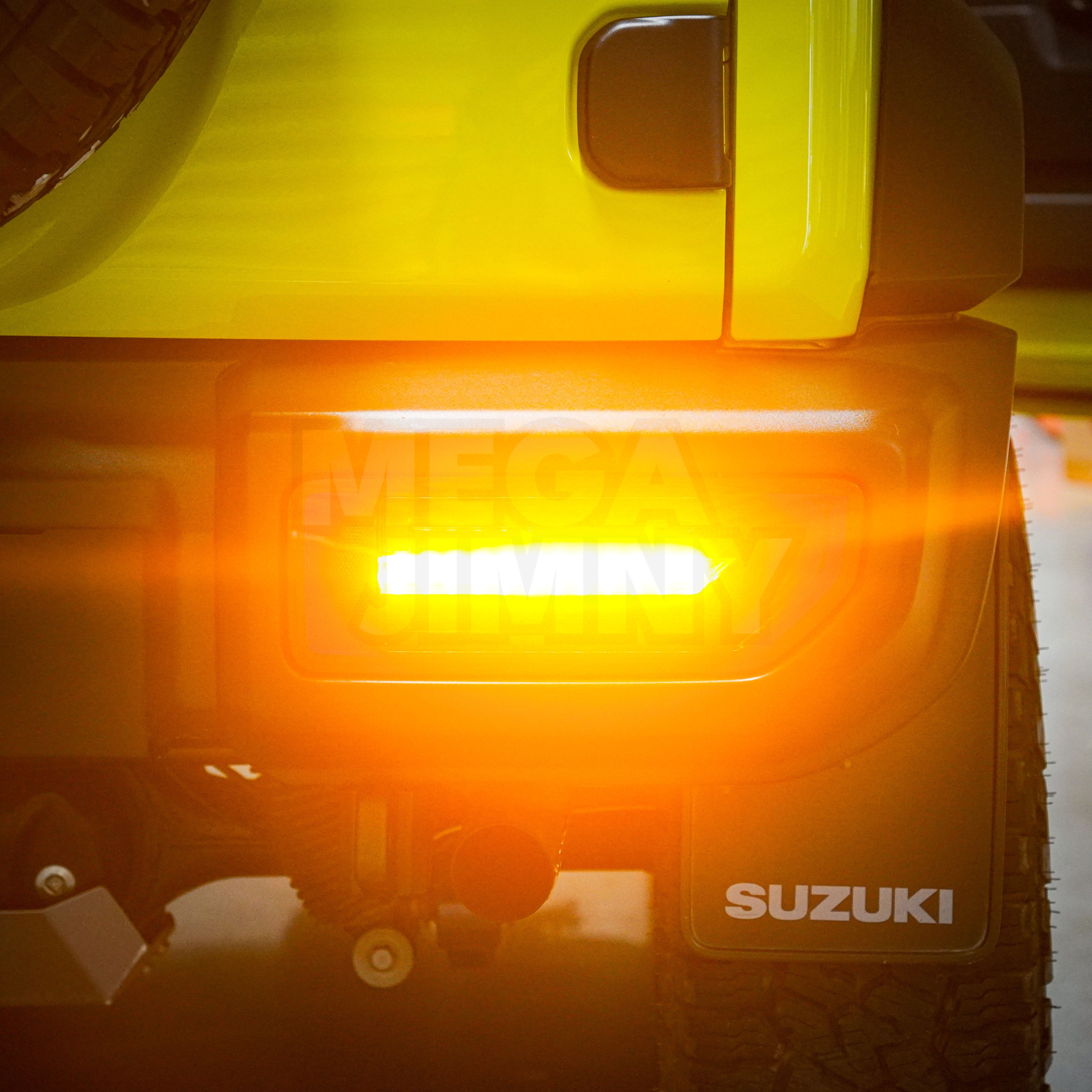
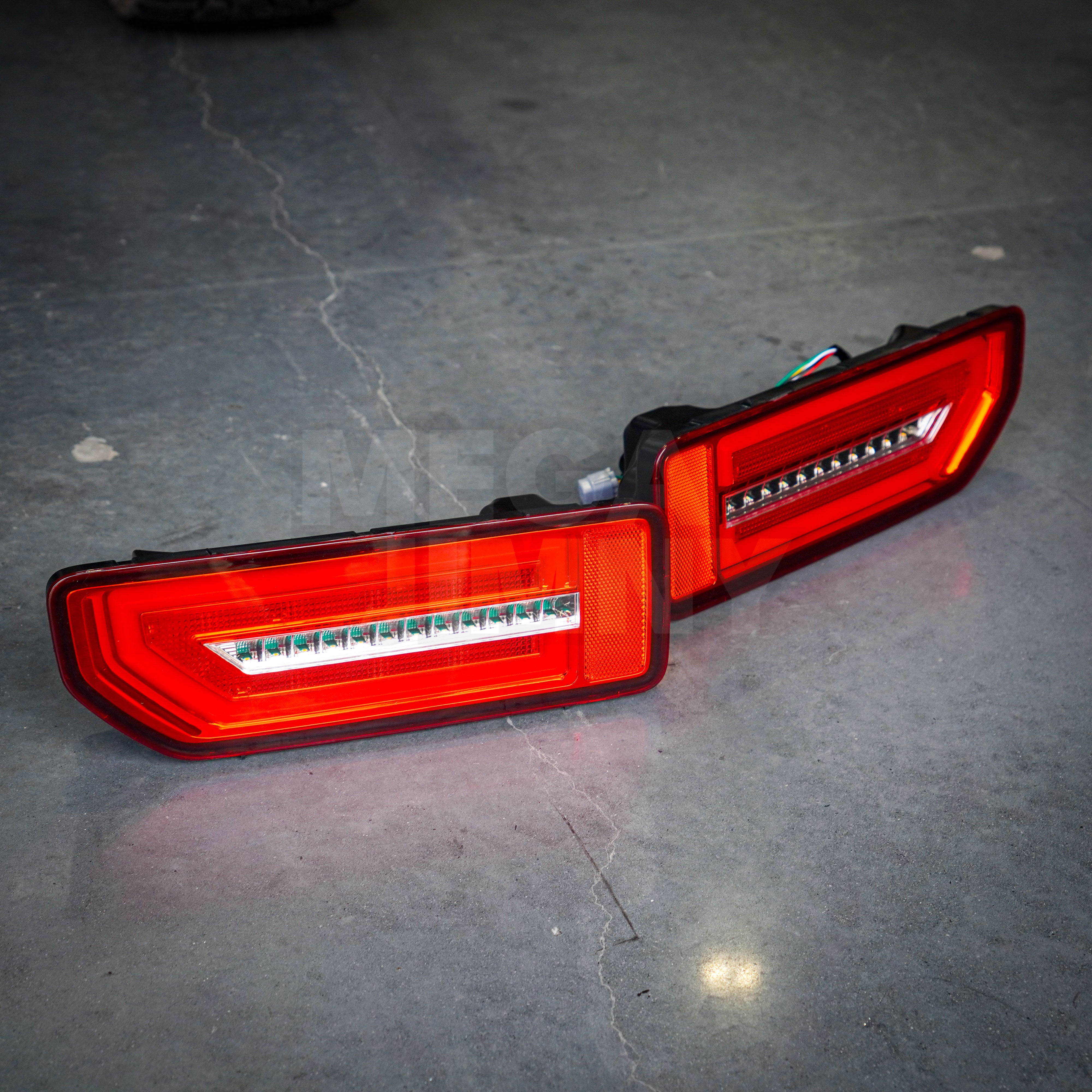
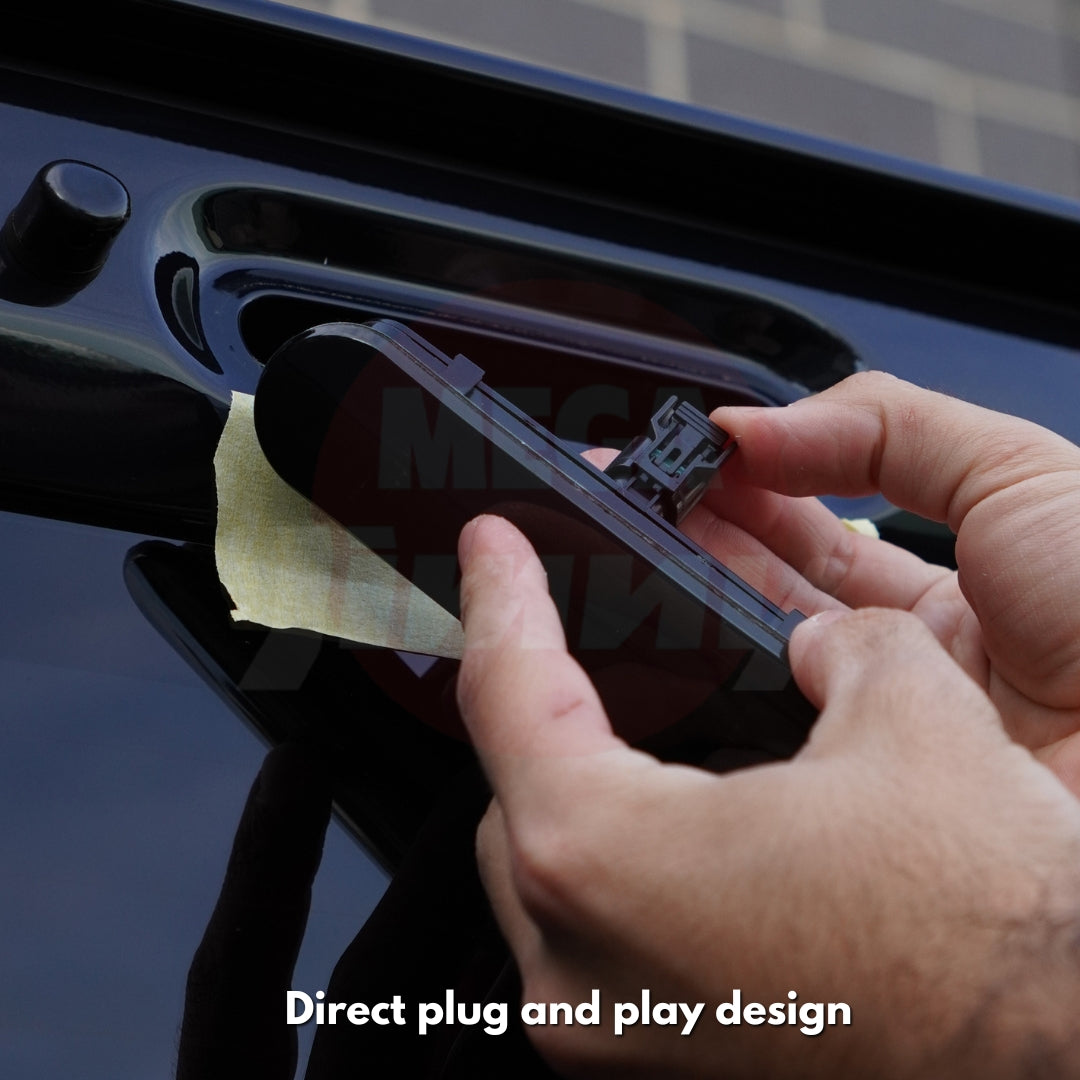
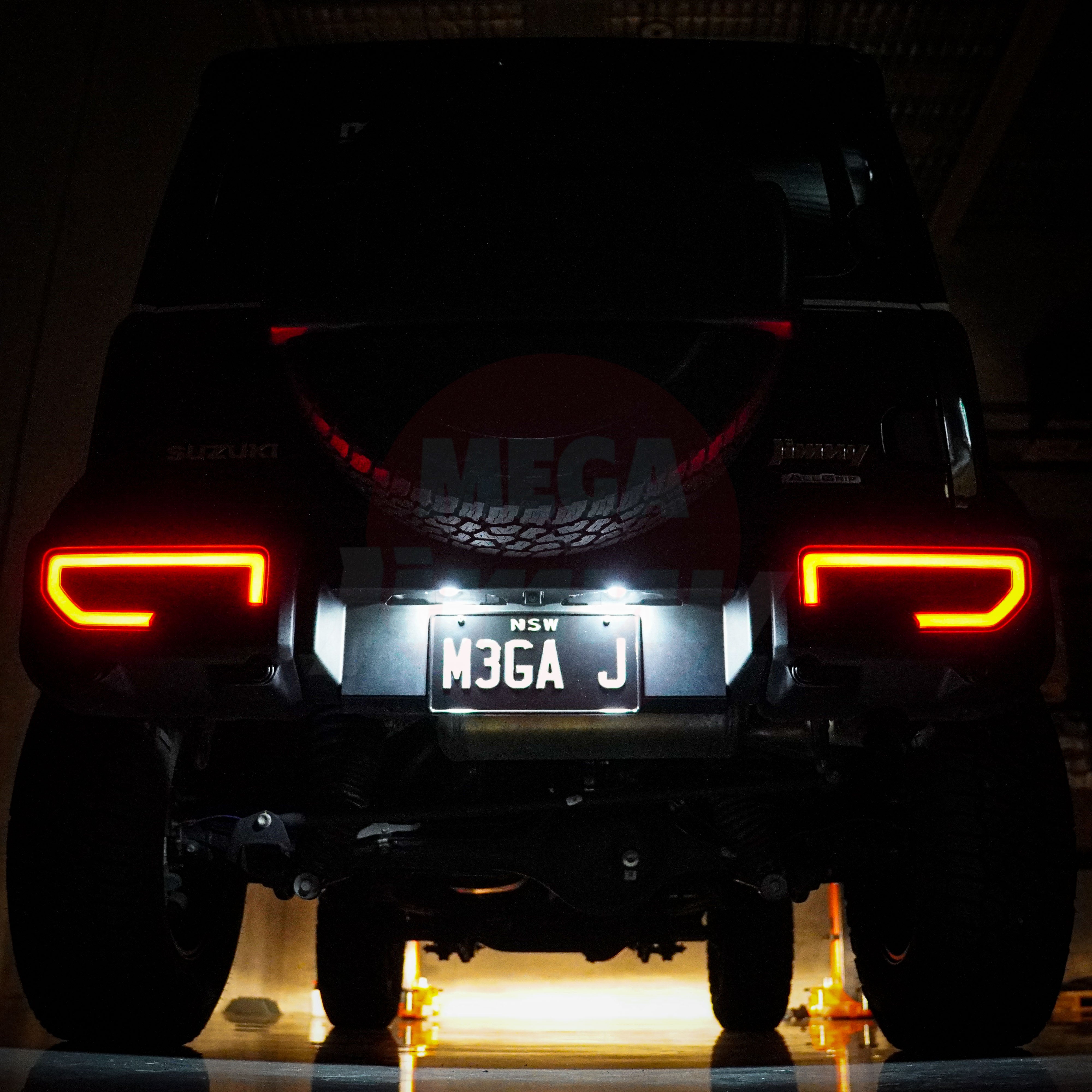
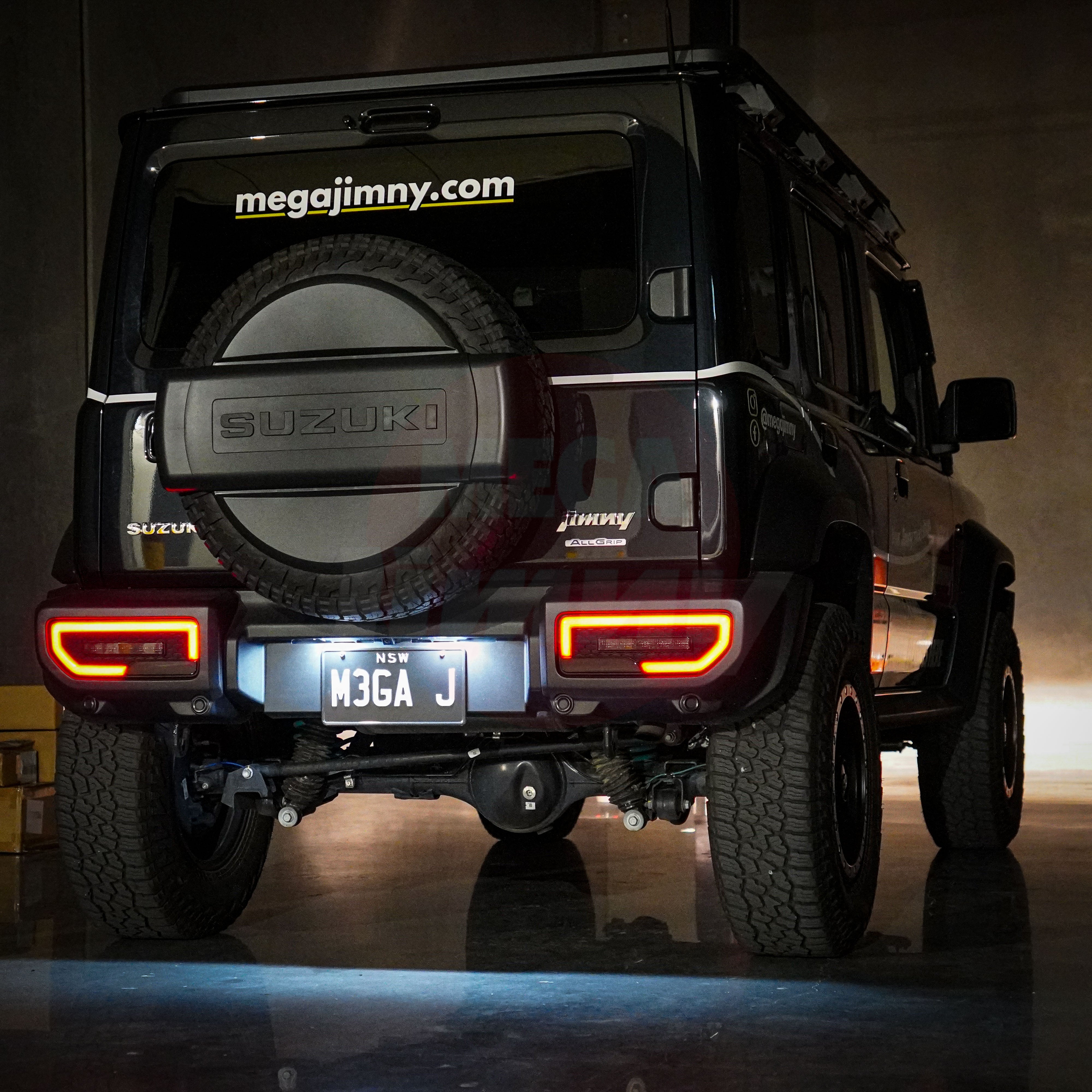
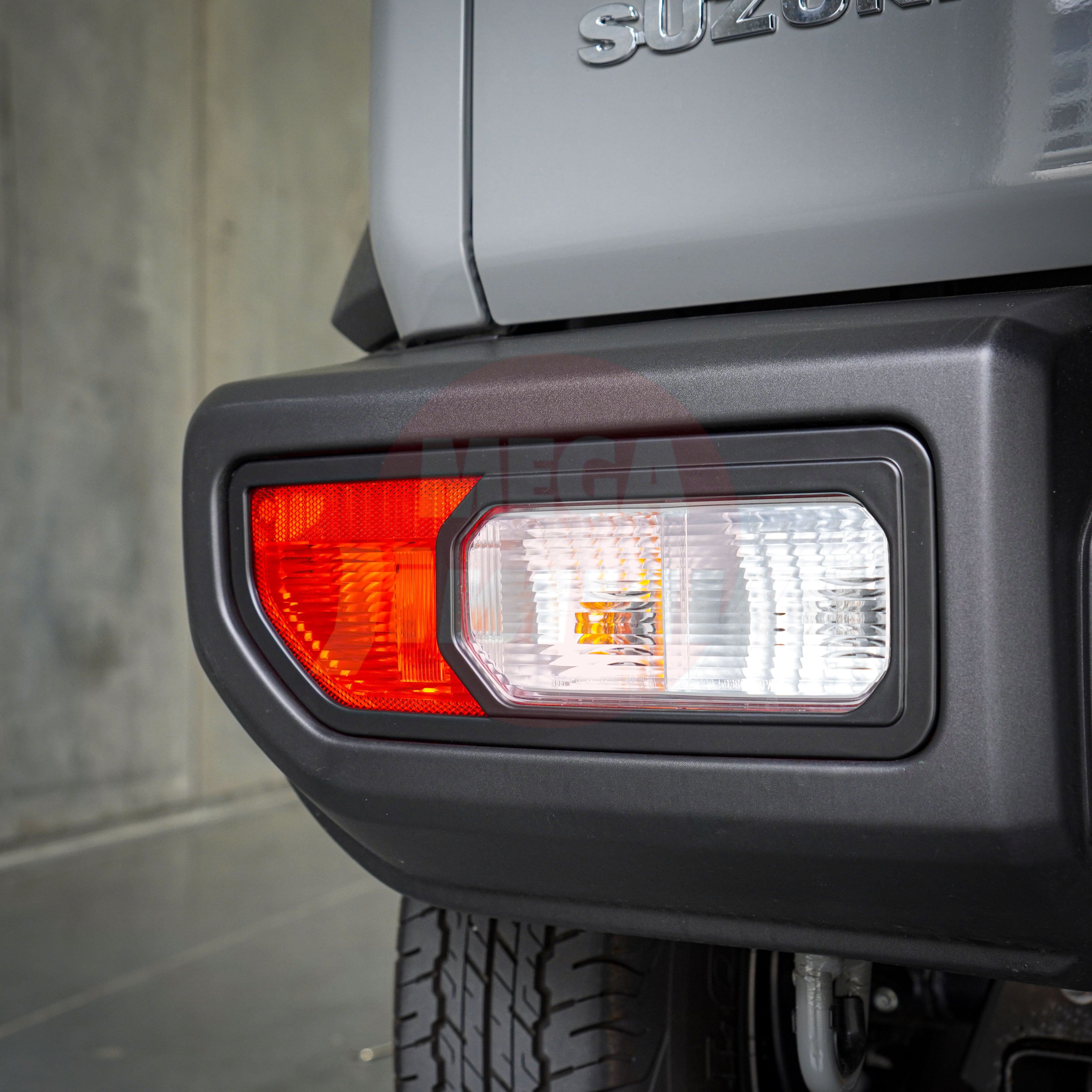
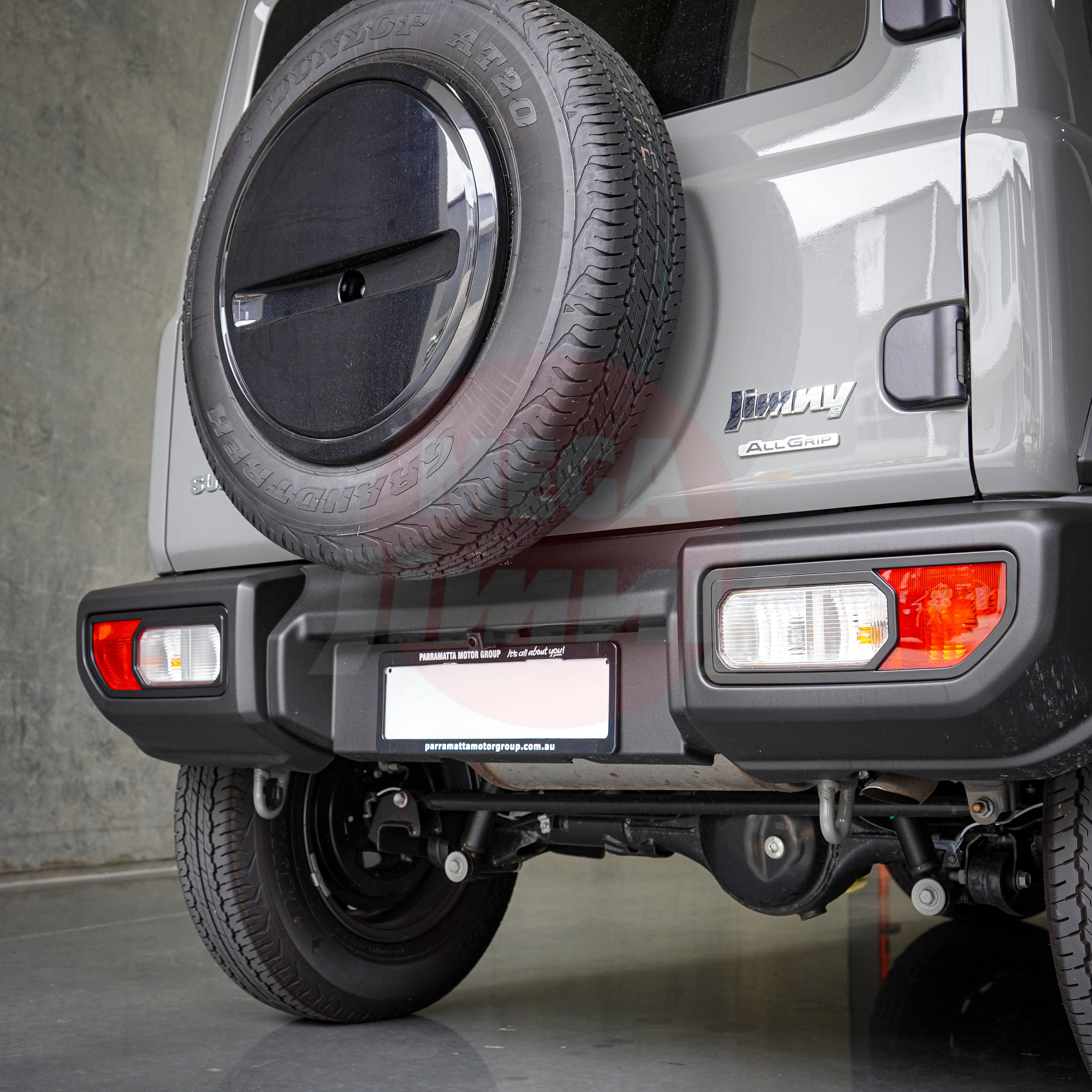
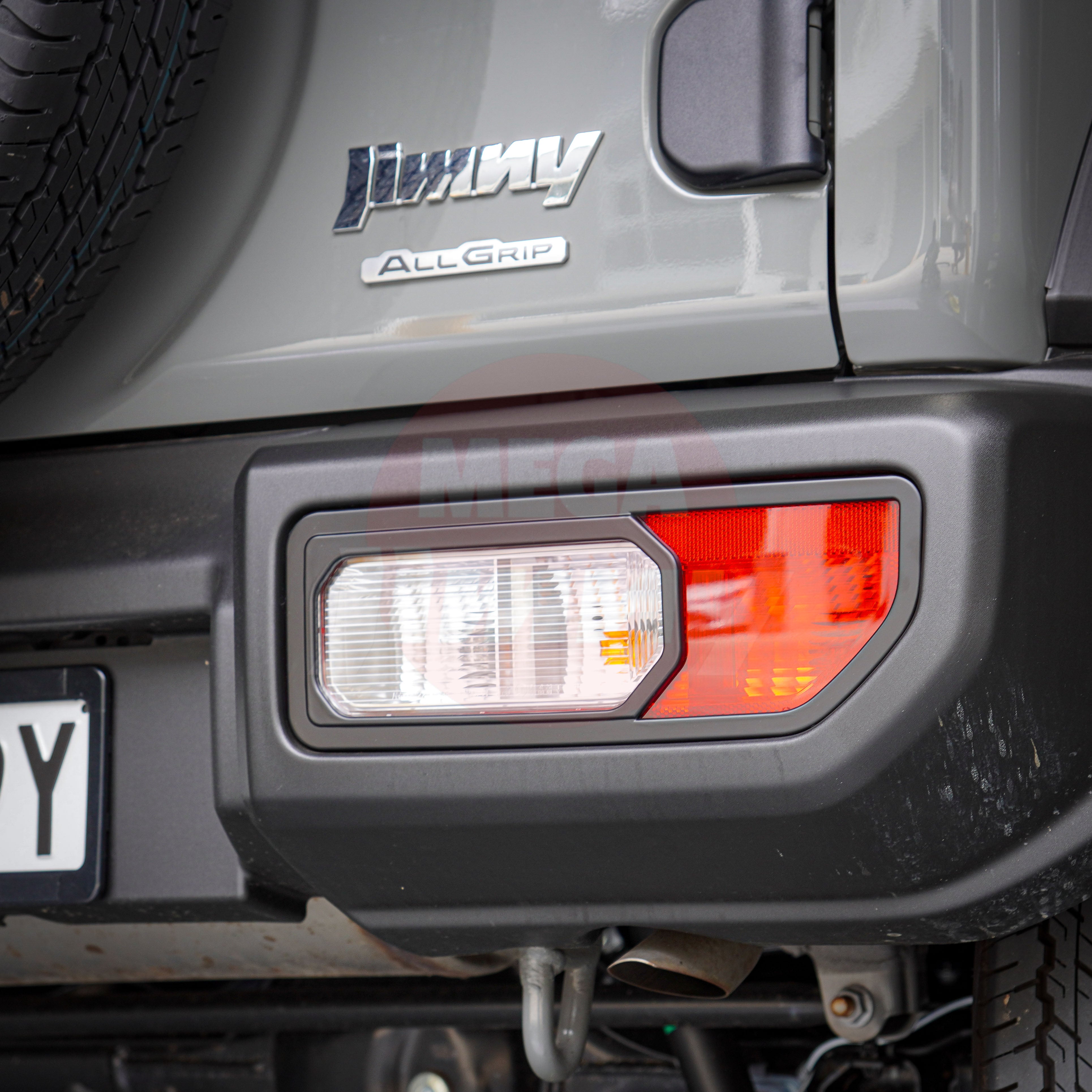
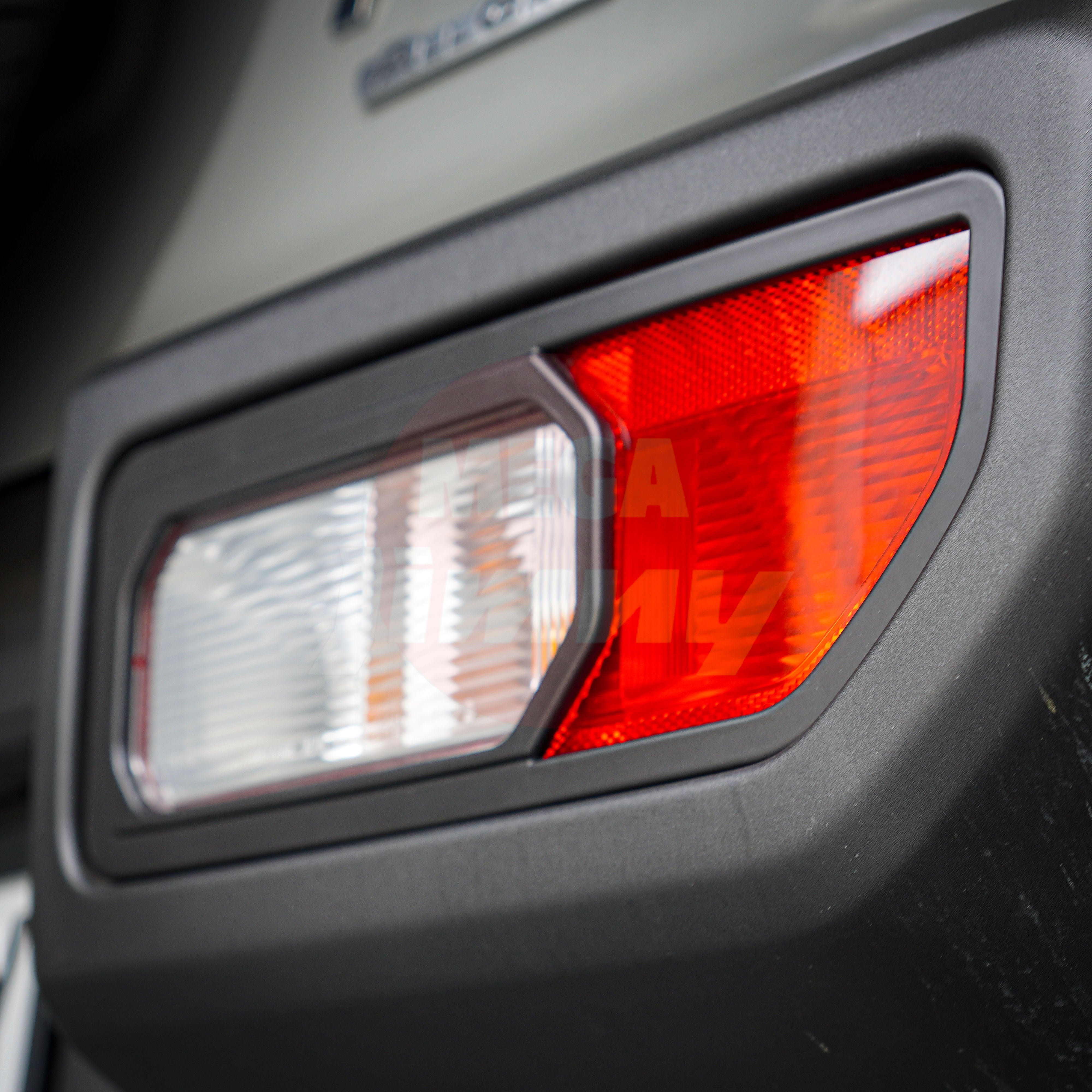
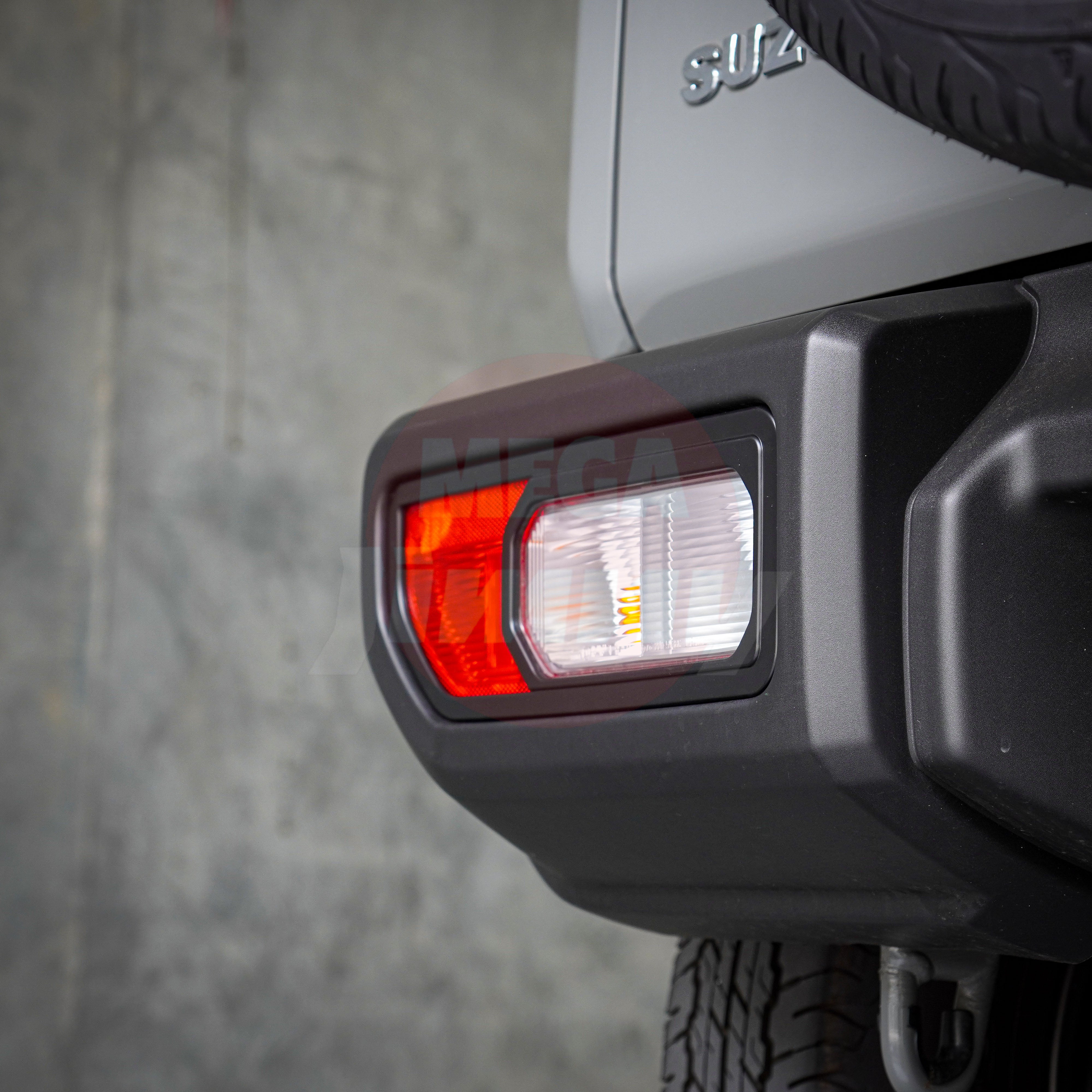
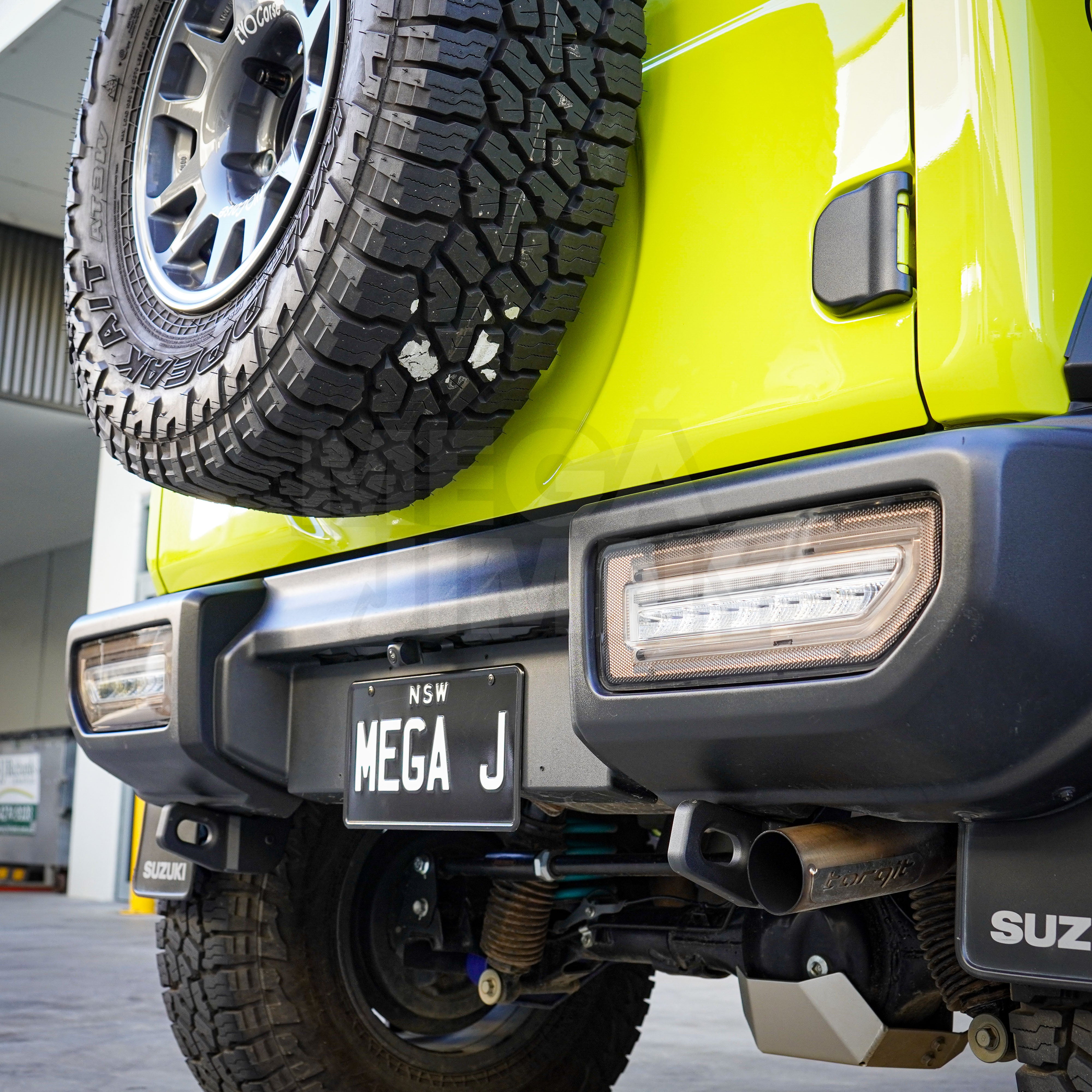
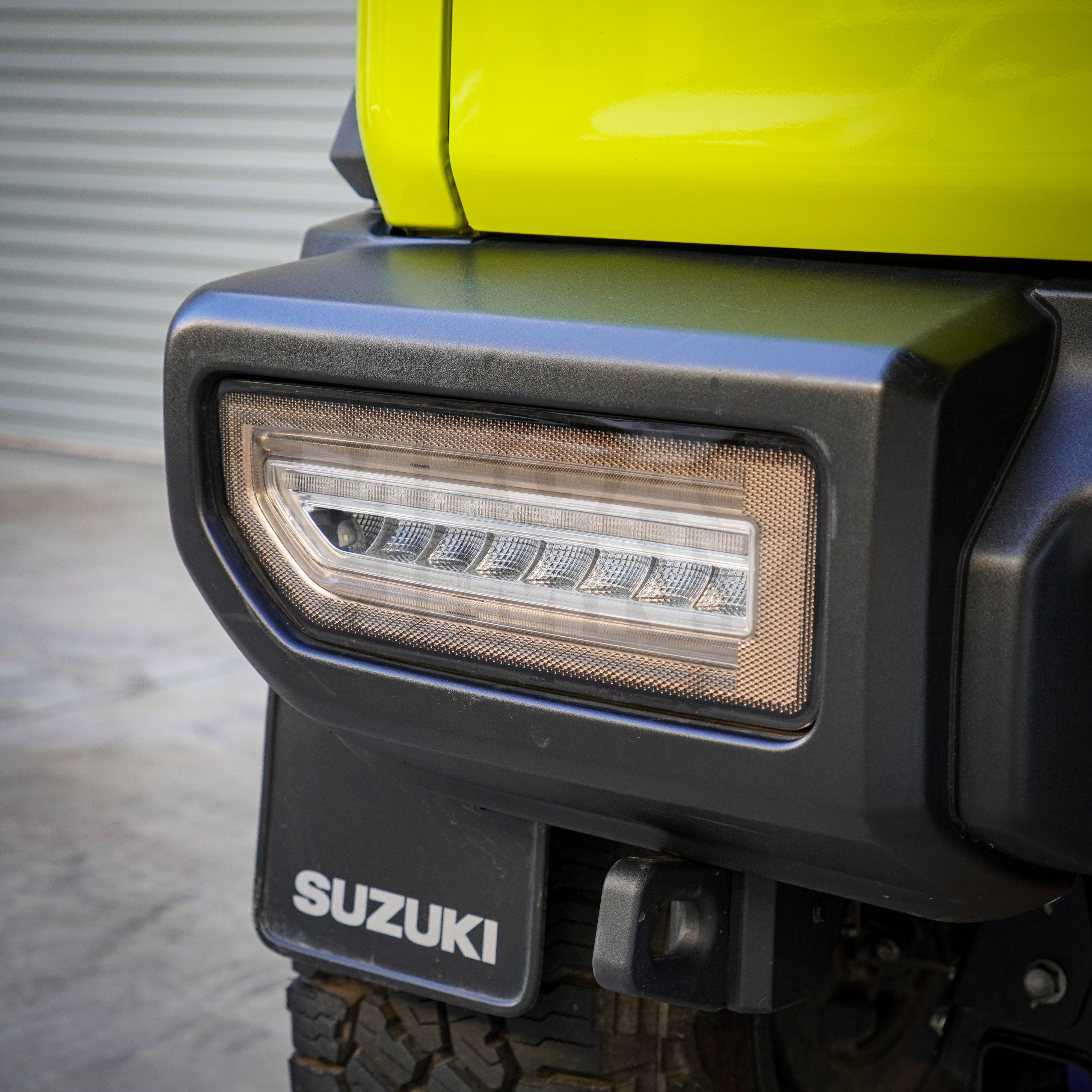
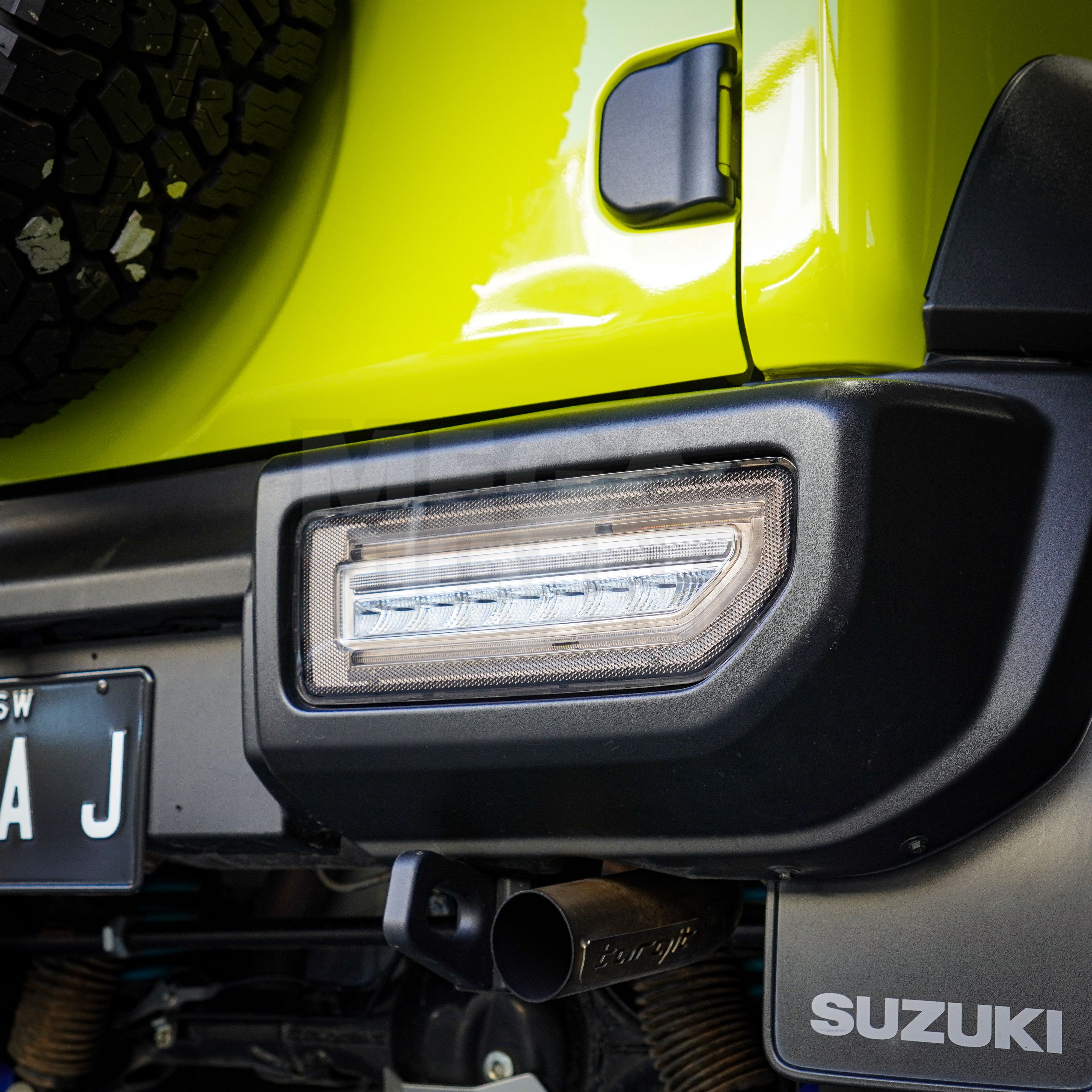
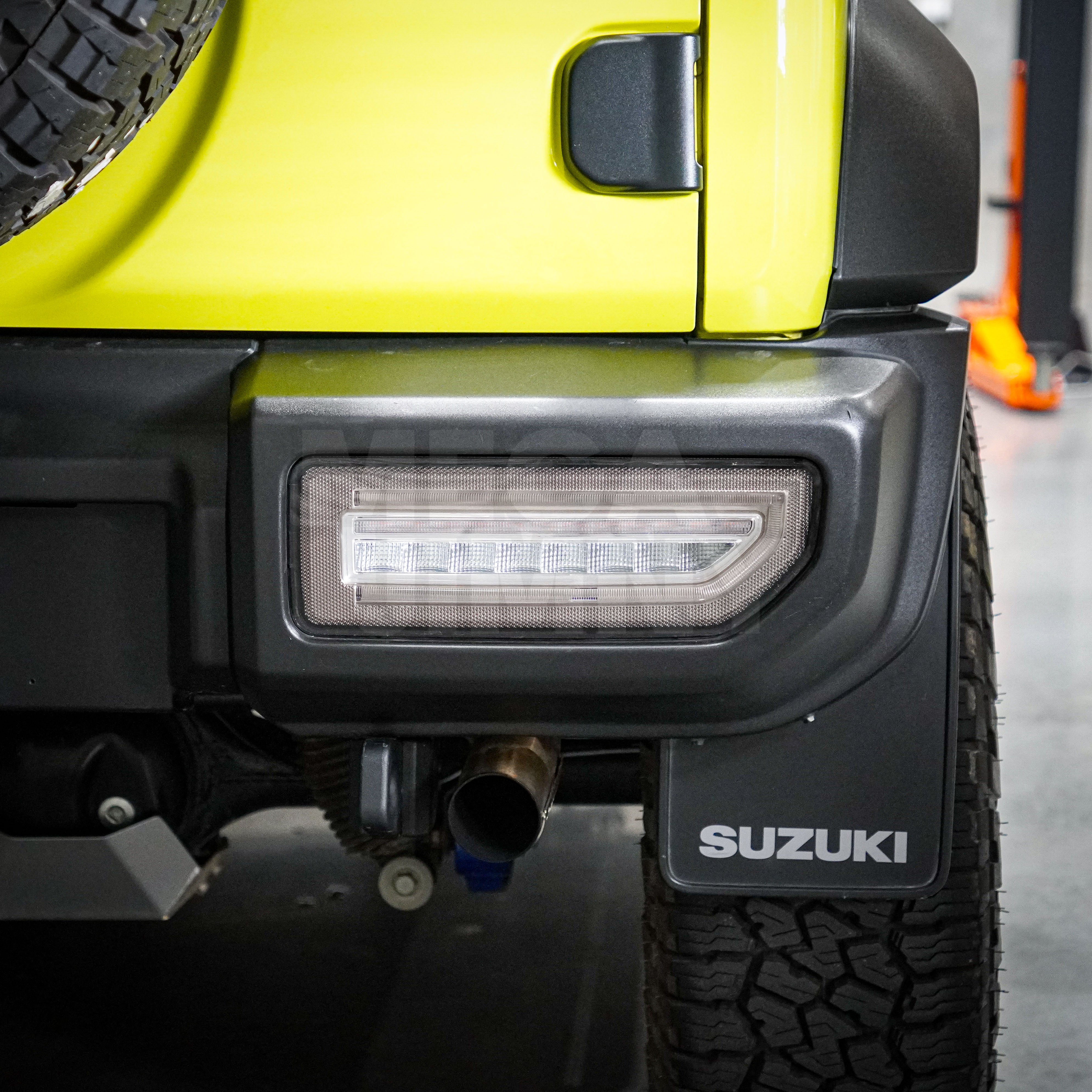
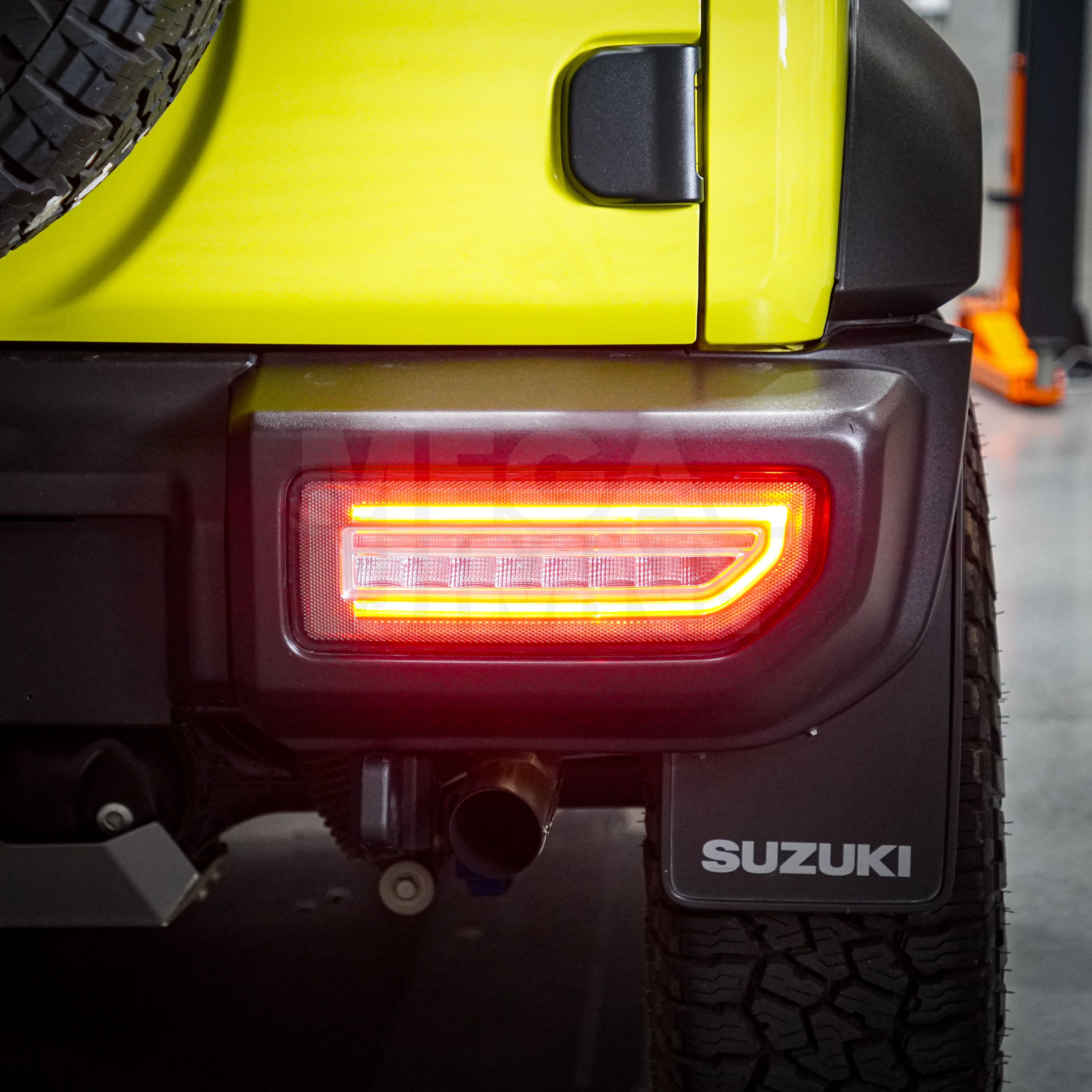
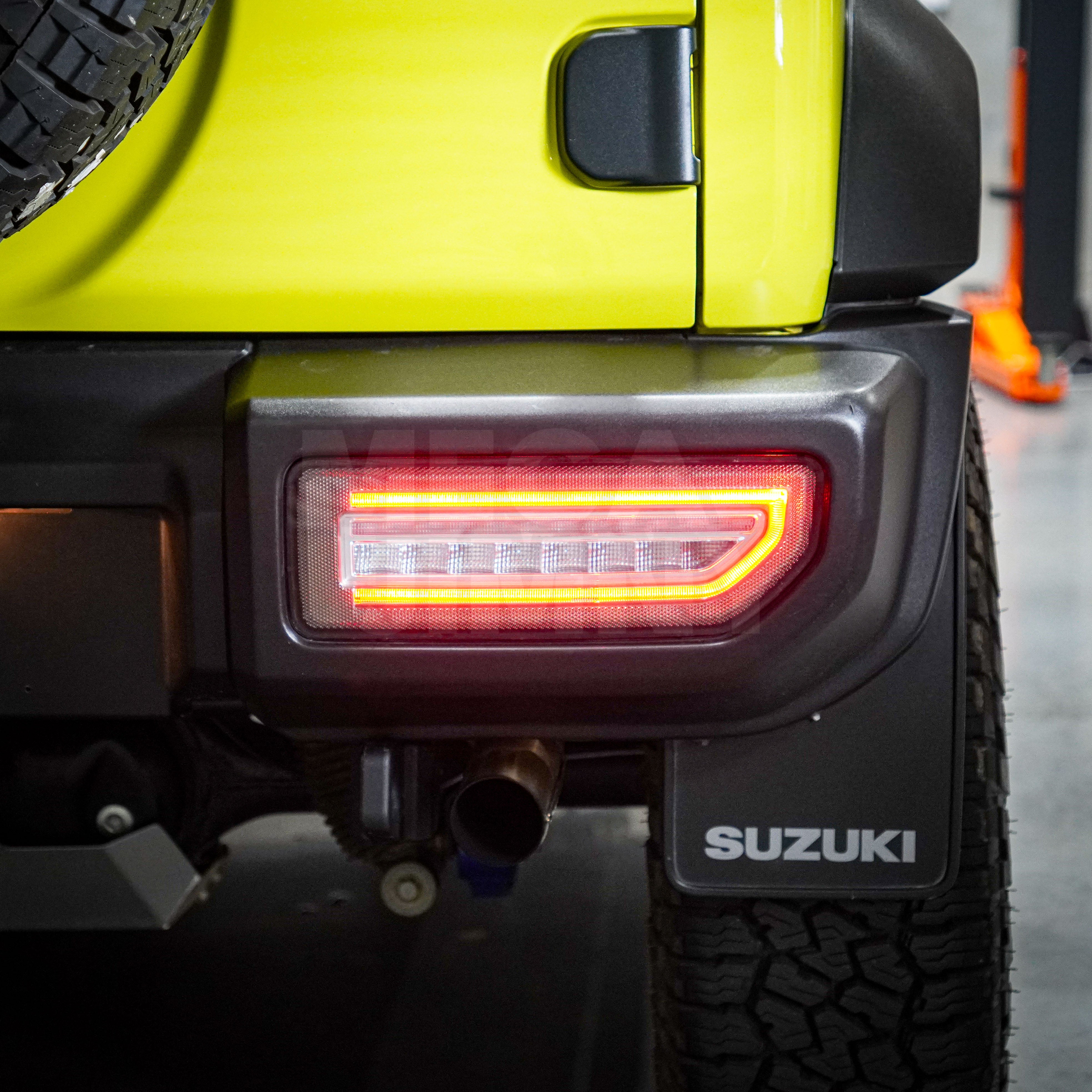
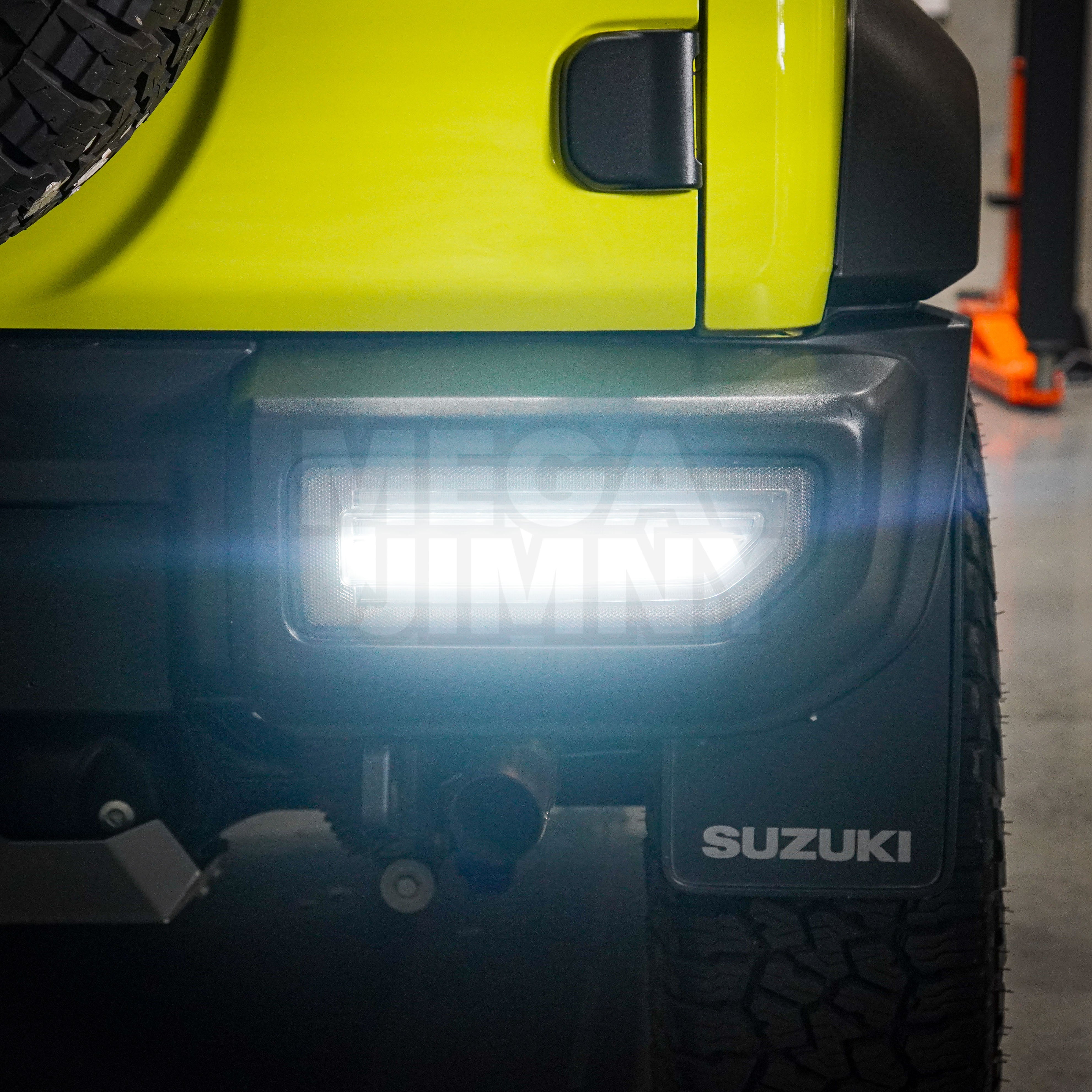
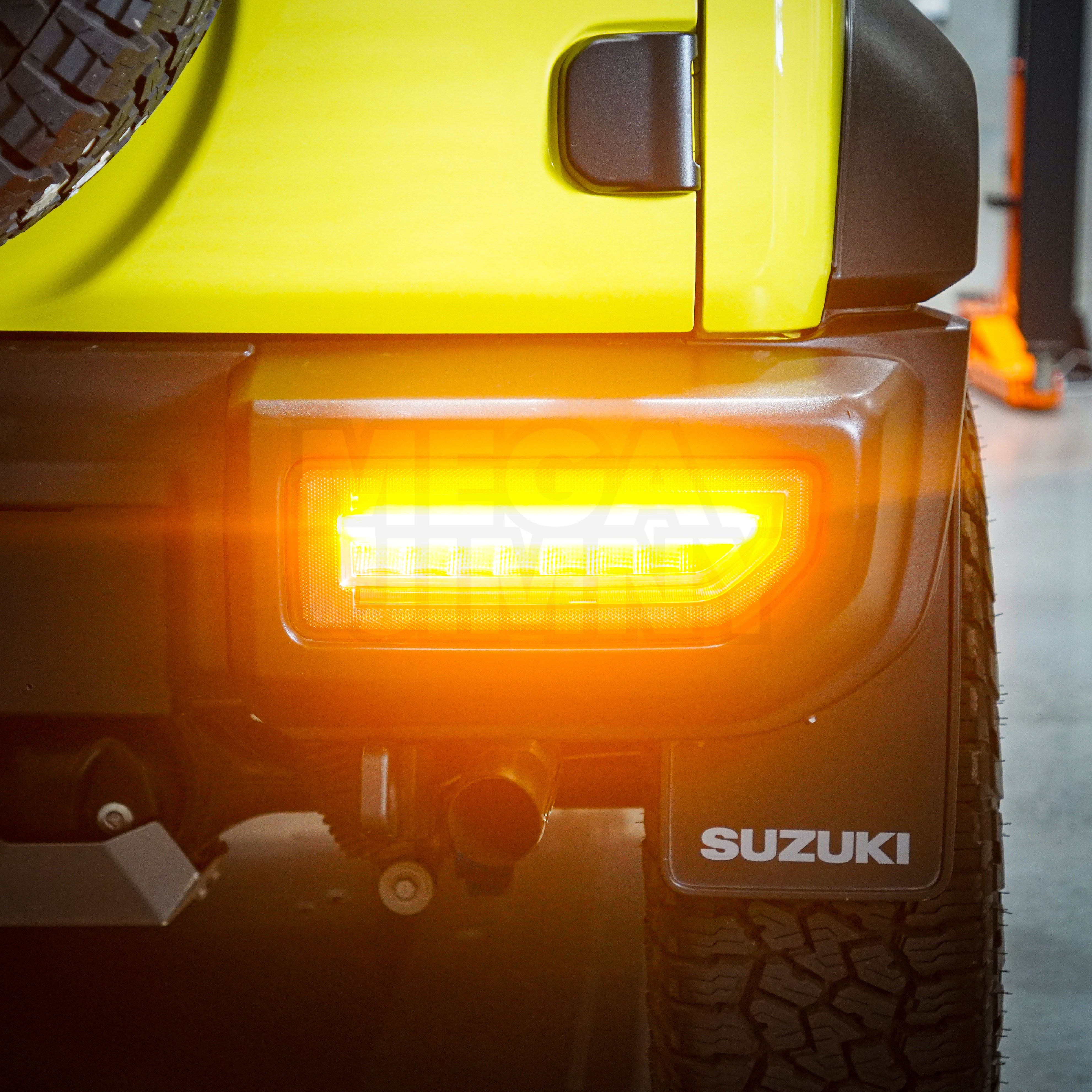
Most of our plug-and-play LED tail light assemblies, such as the STYL range, are designed for easy DIY installation. They typically require only removing the factory tail light (a few screws or clips), disconnecting the wiring harness, connecting the new tail light, and securing it in place. This usually takes 15-30 minutes per side with basic hand tools. However, if you're uncomfortable working with electrical connections or your vehicle's wiring, professional installation is always recommended.
How do I mount a light bar to my Jimny?
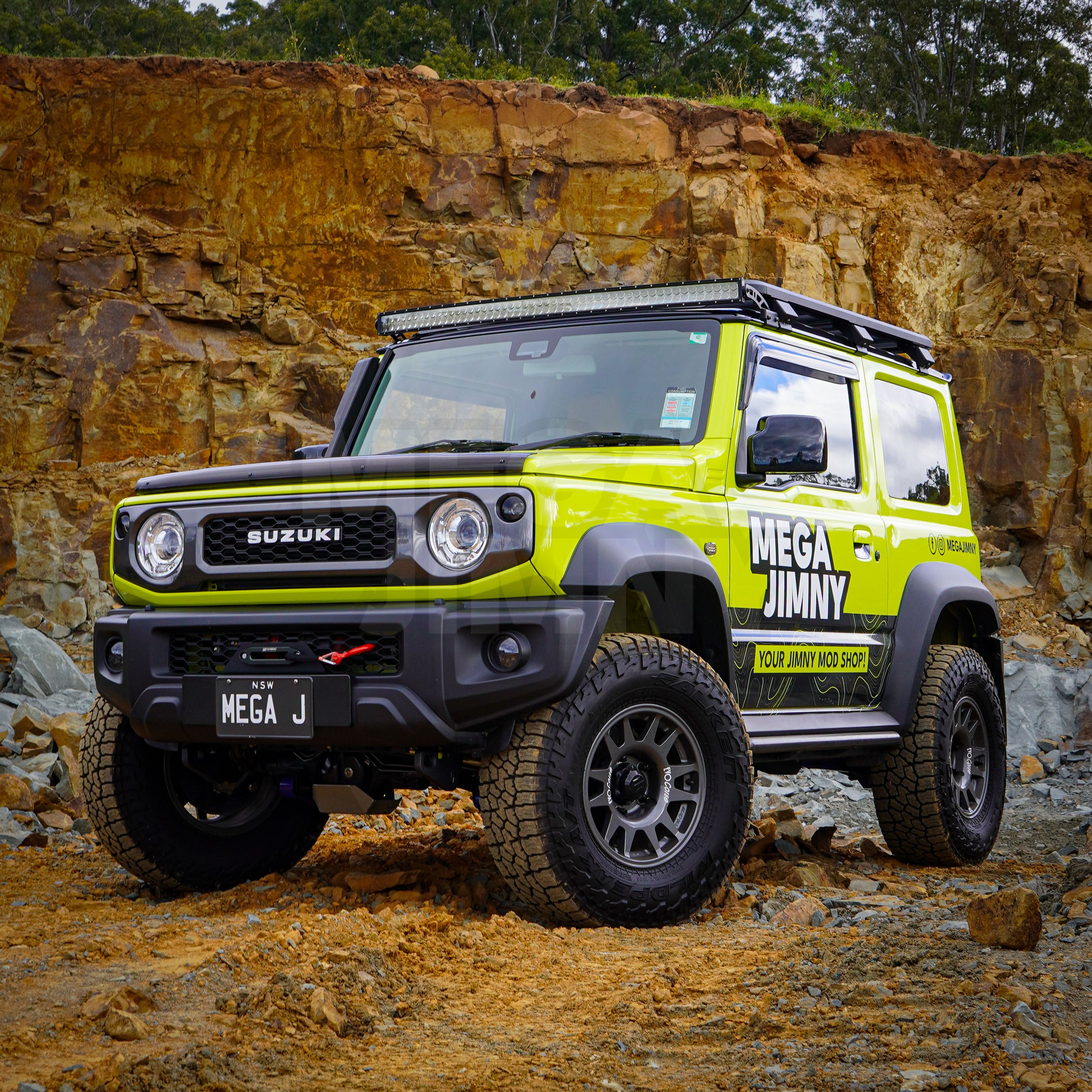
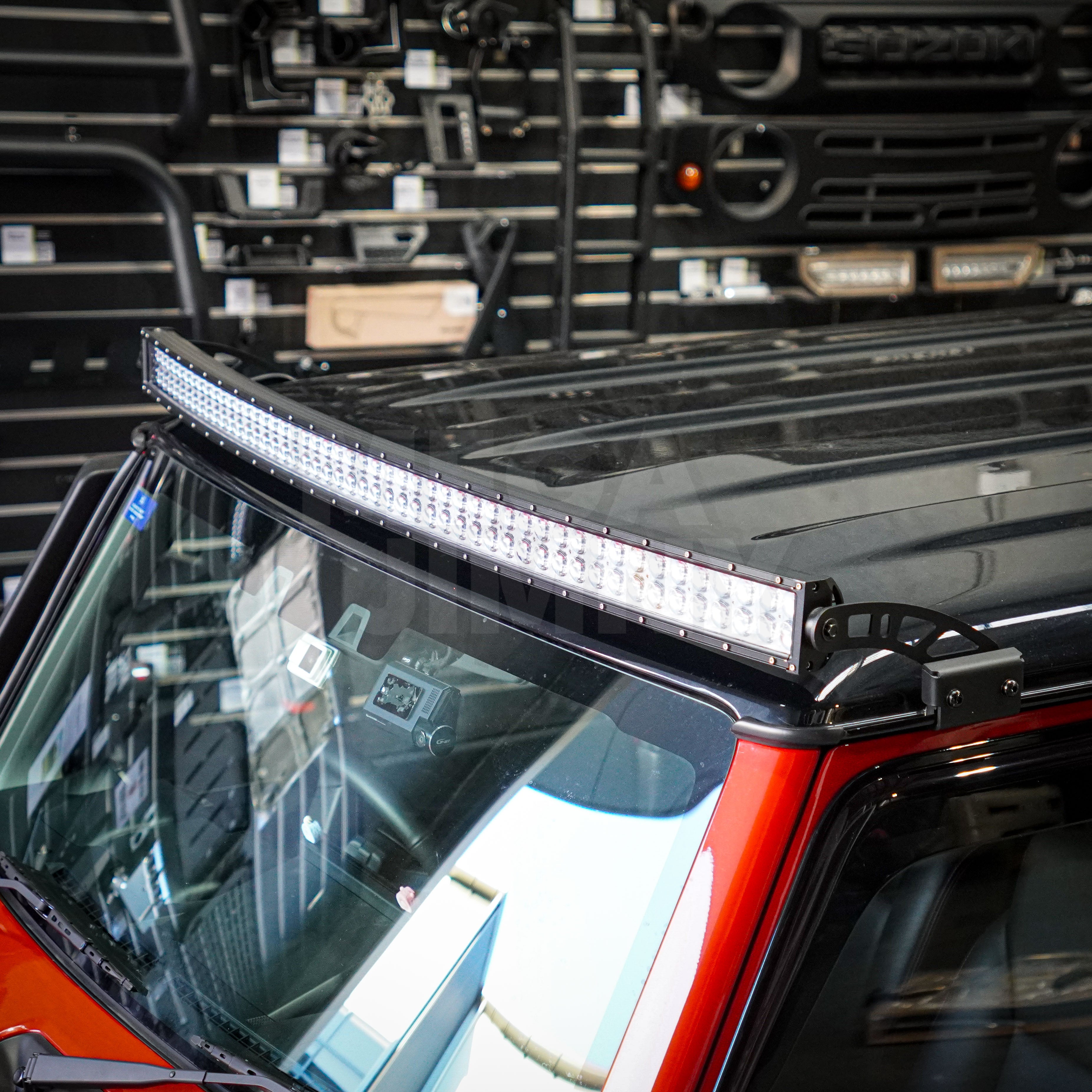
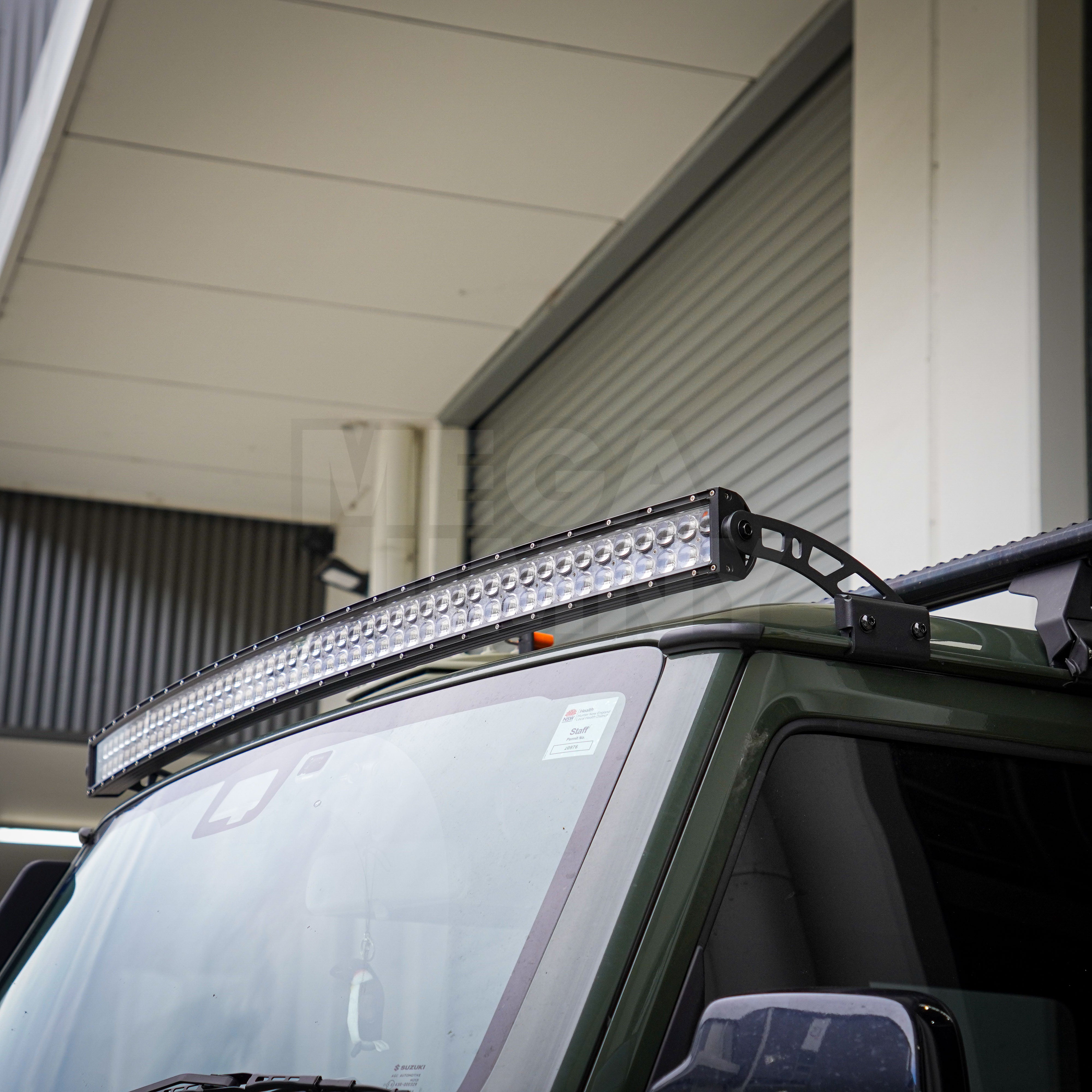
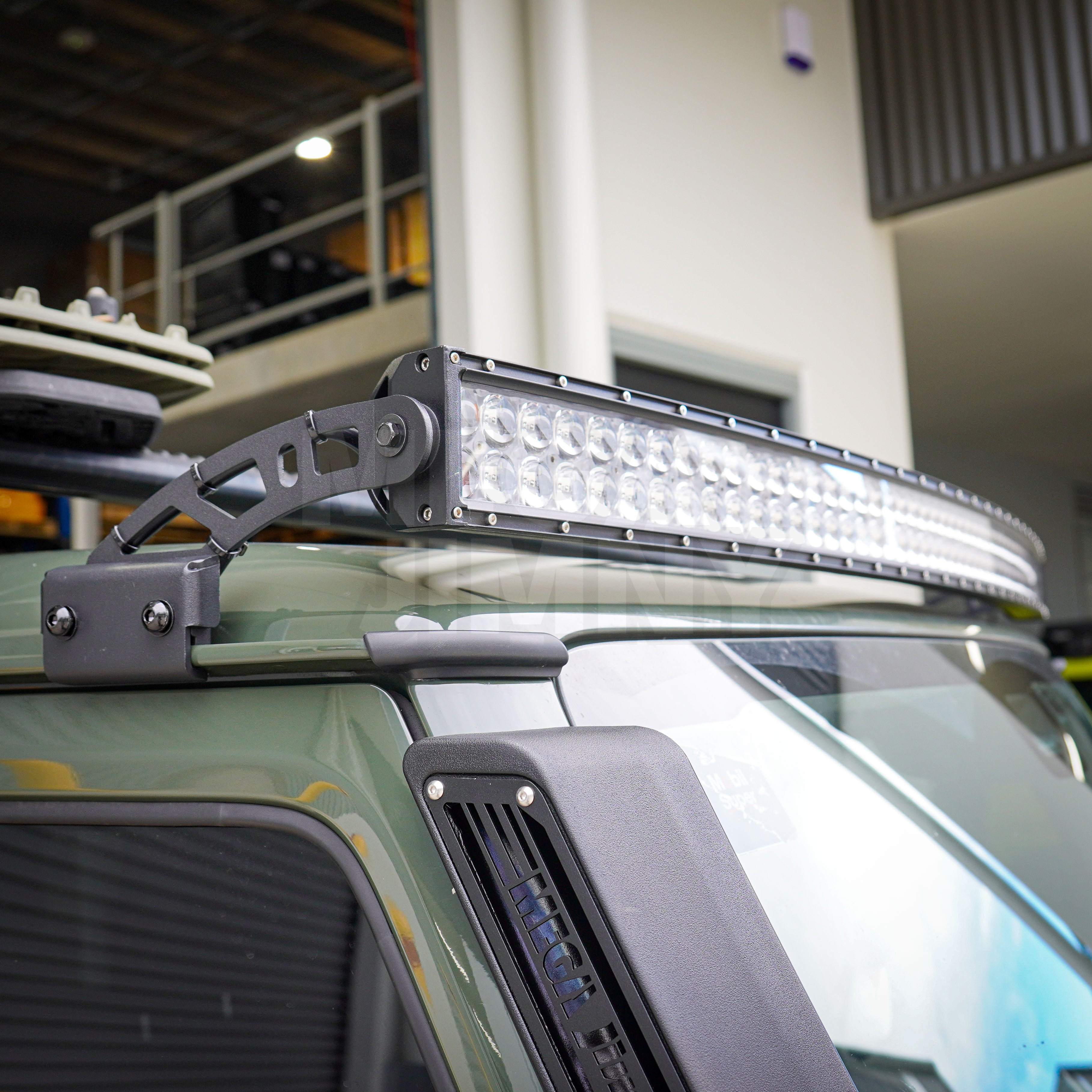
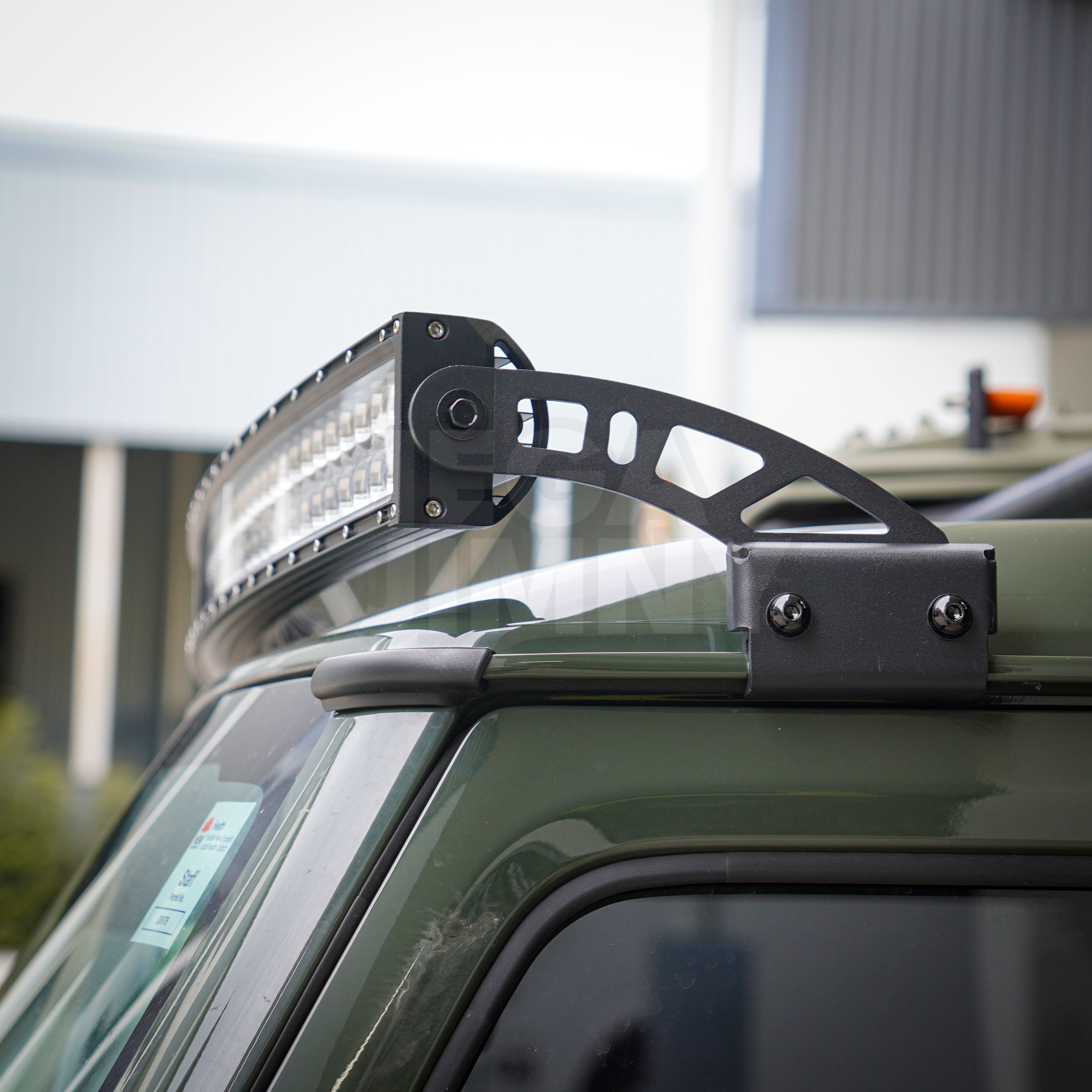
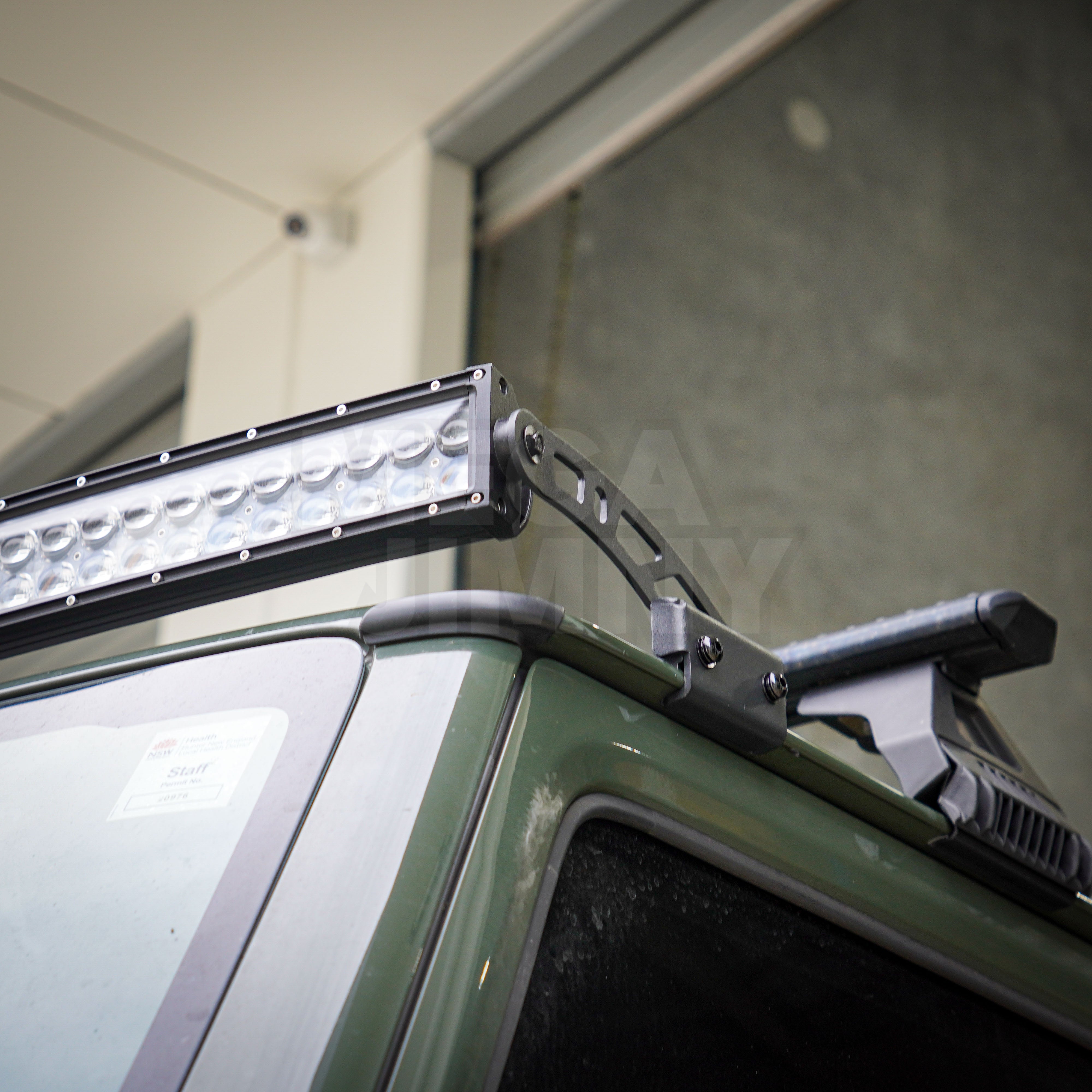
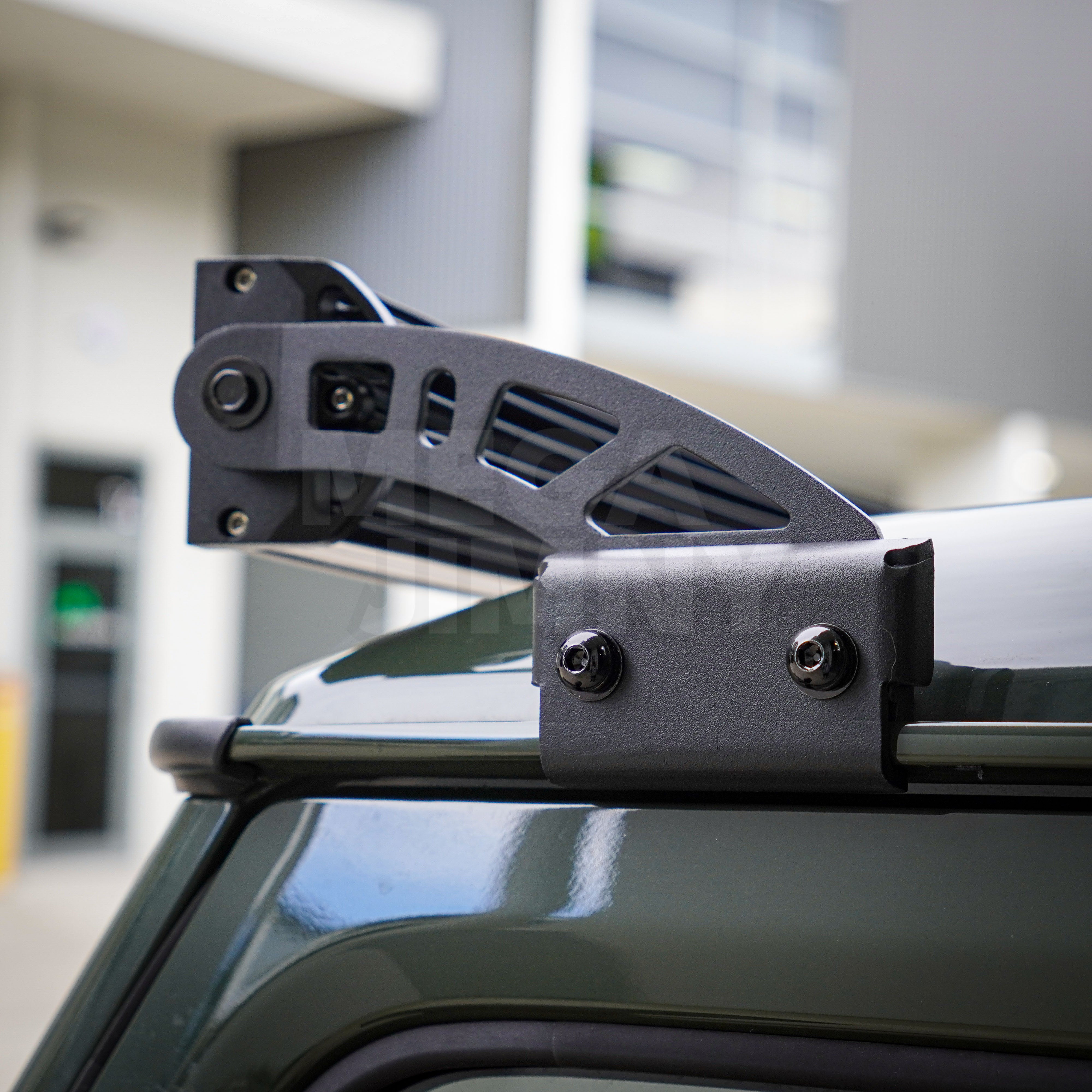
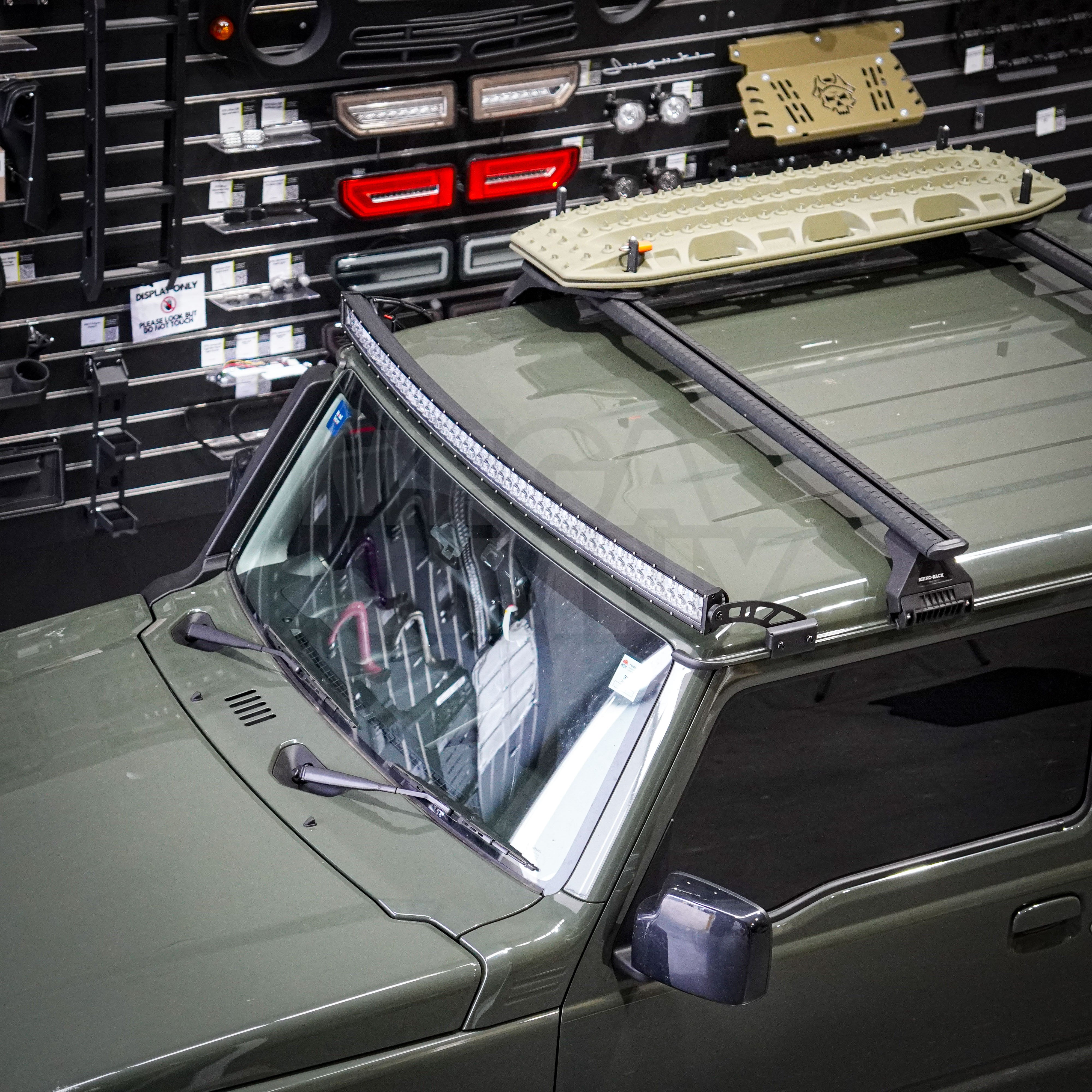
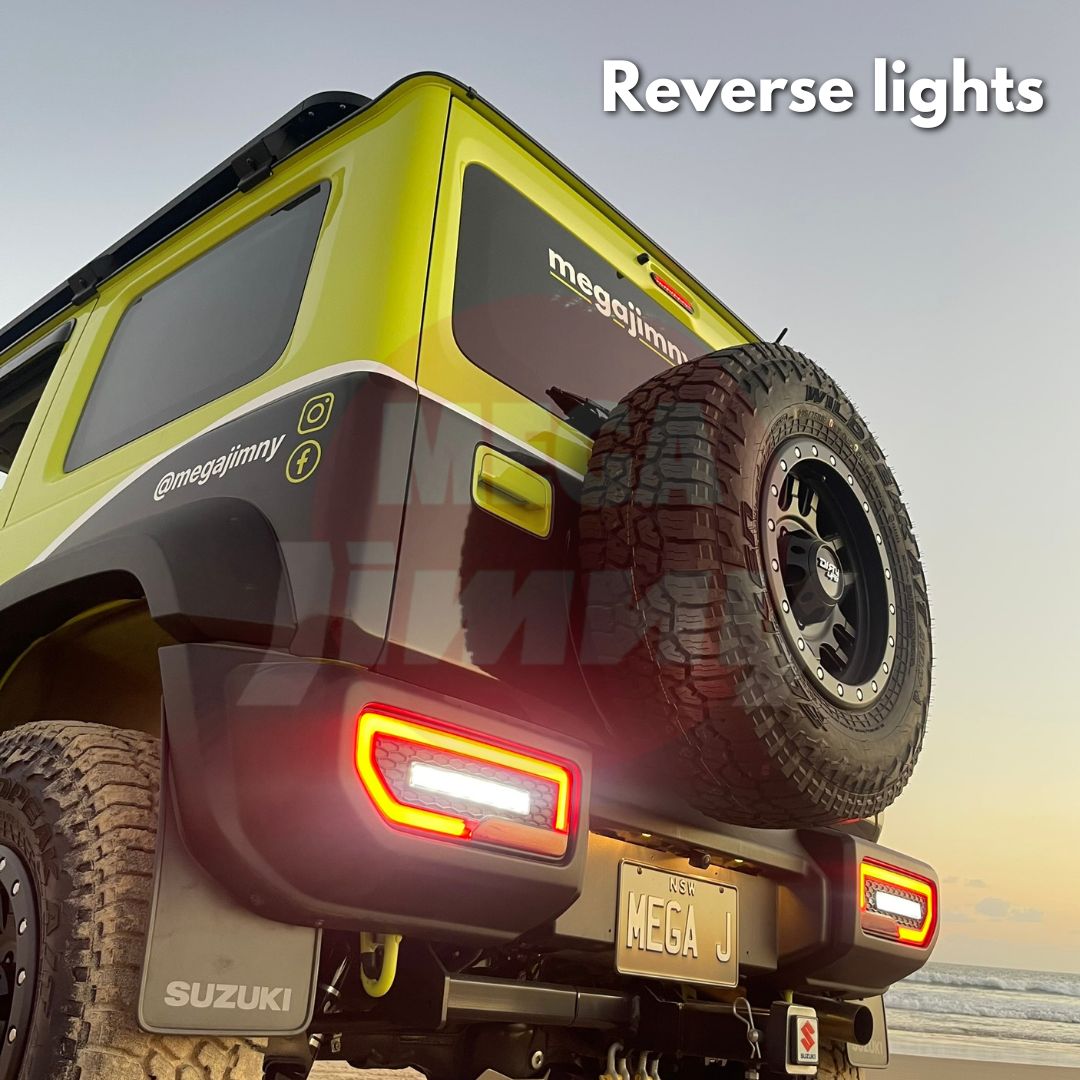
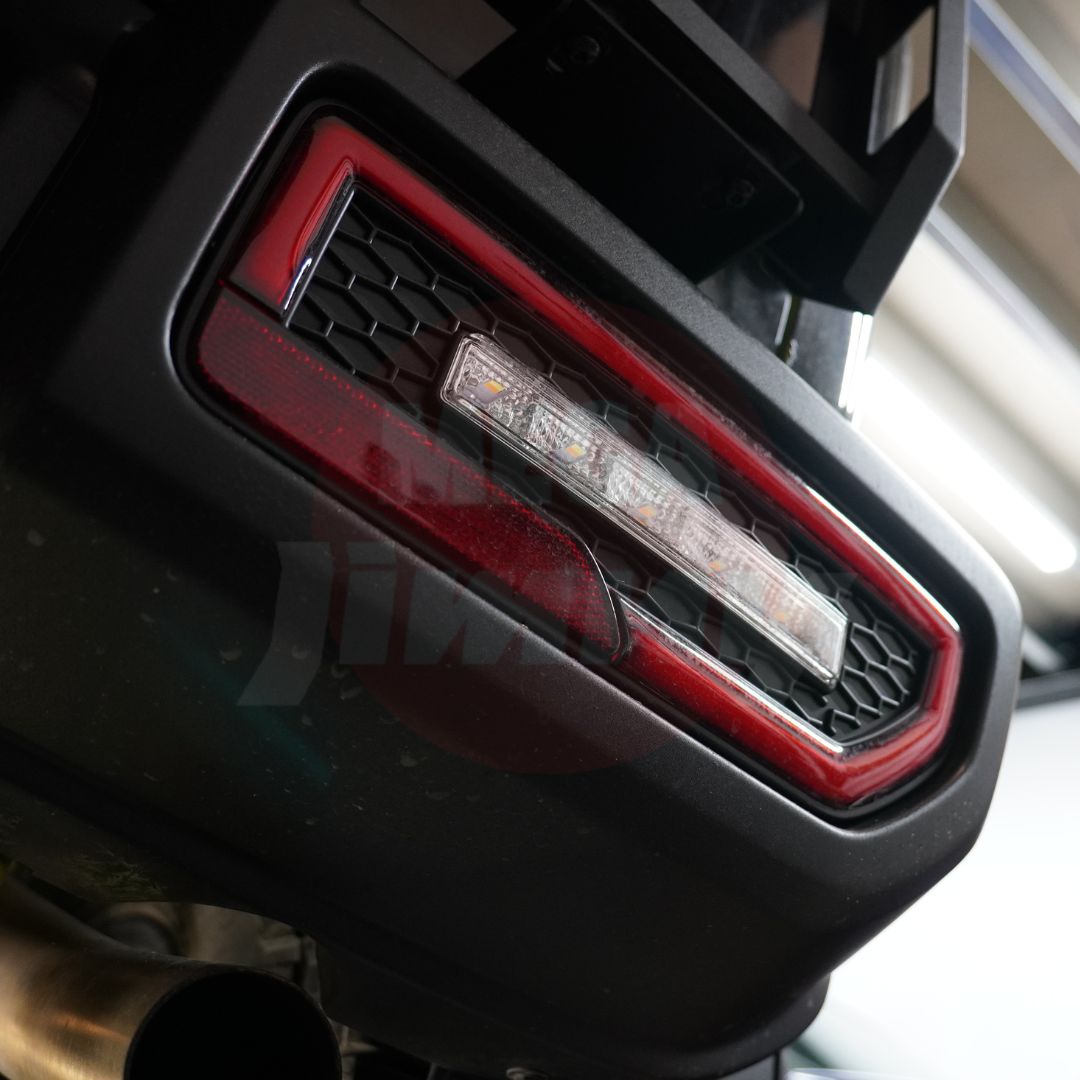
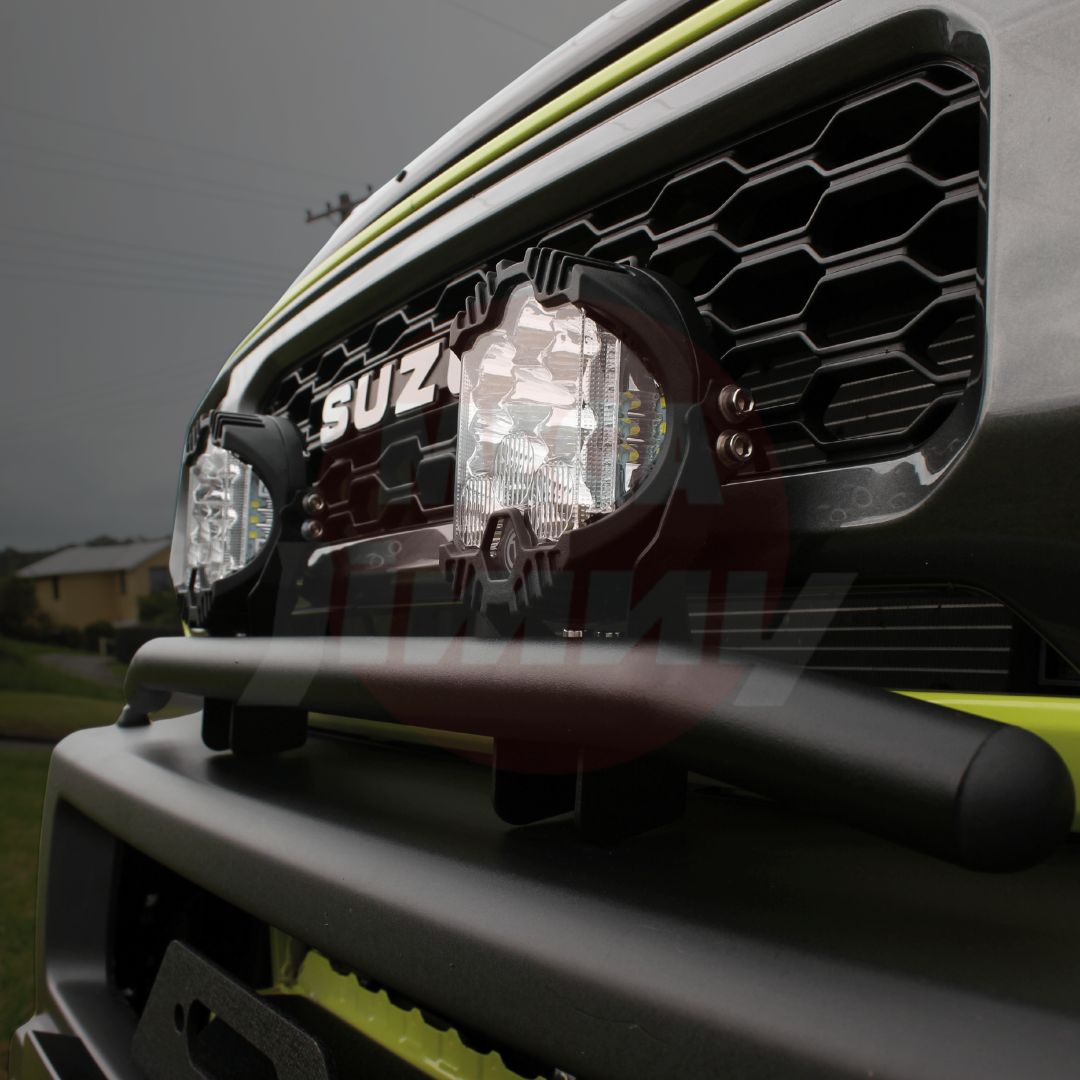
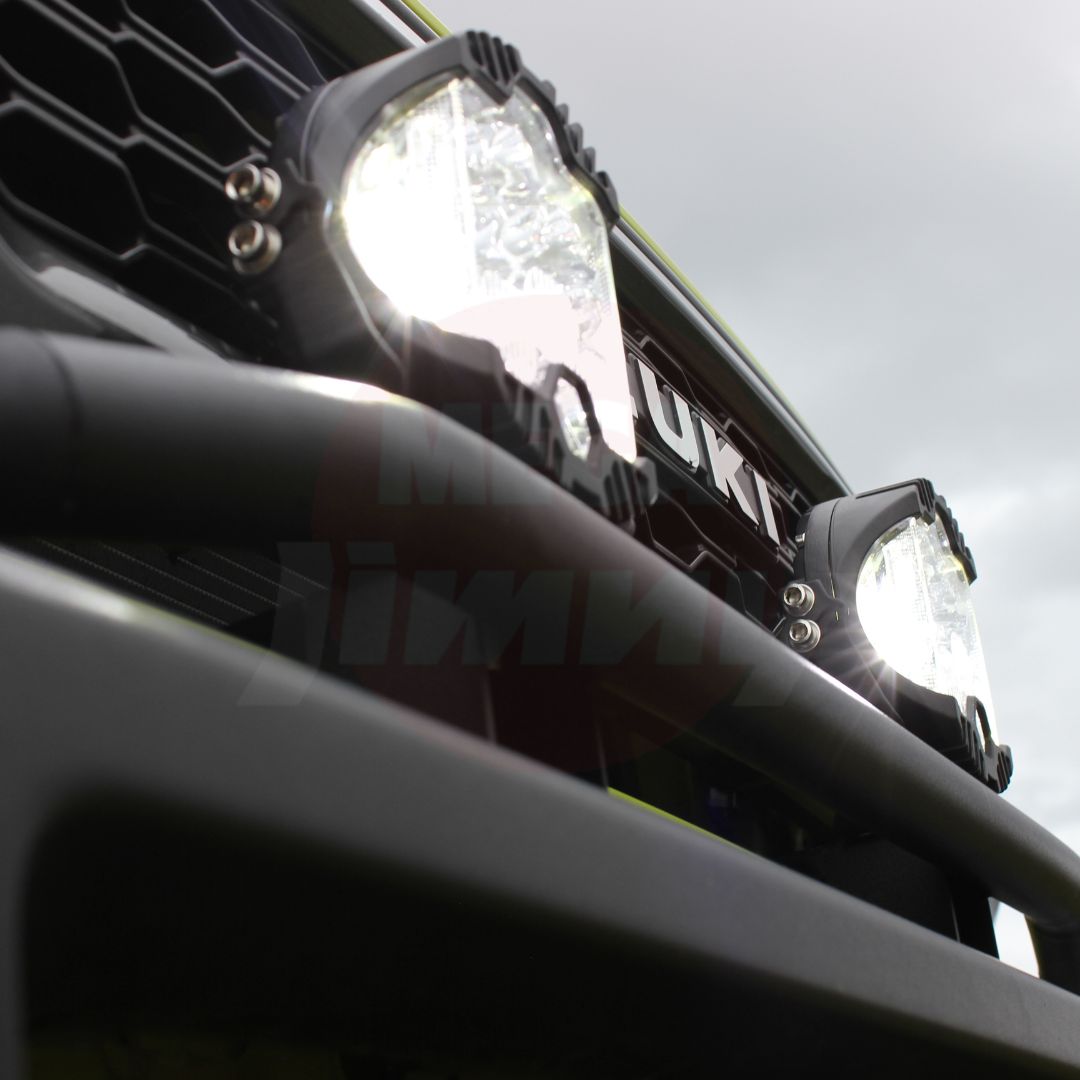
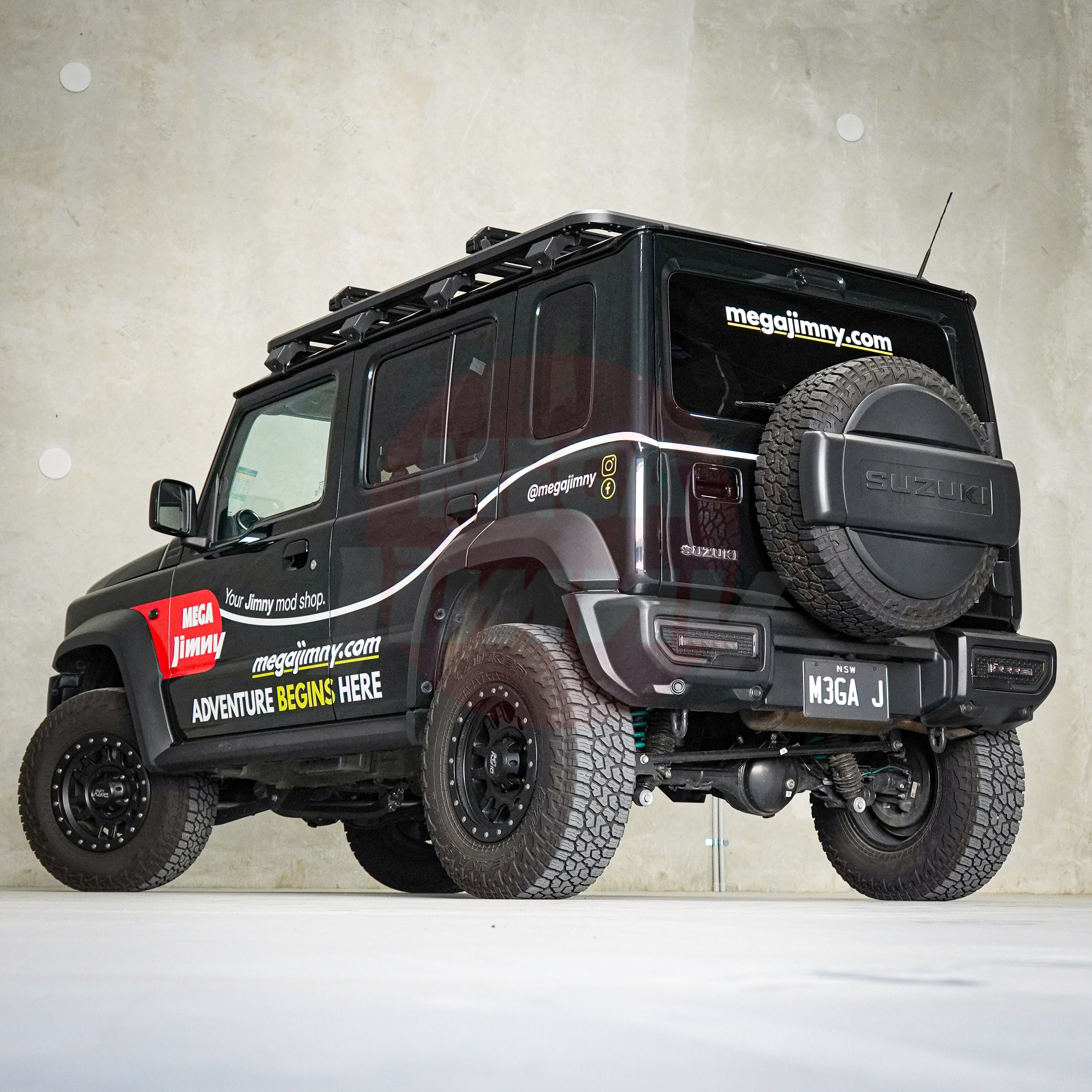
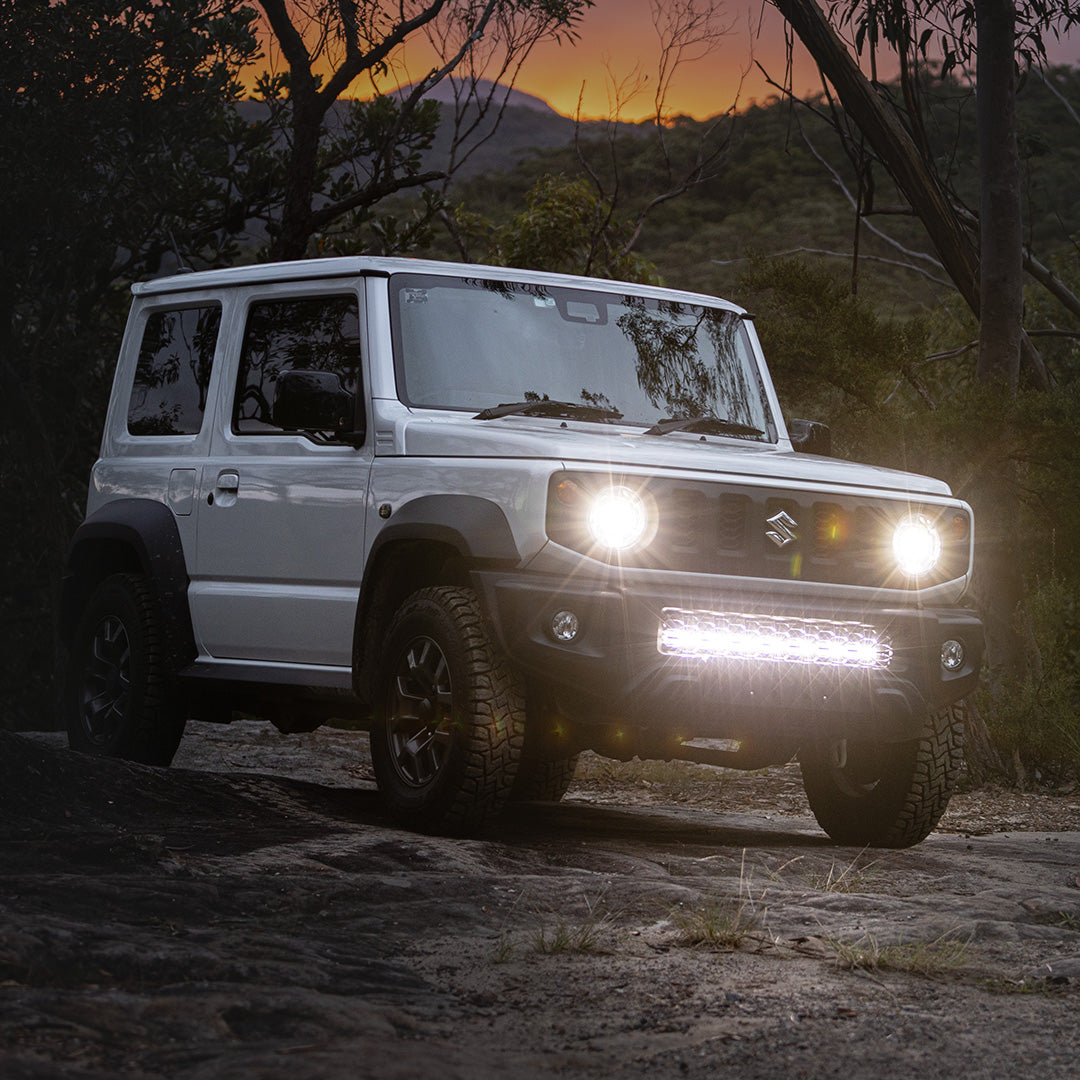
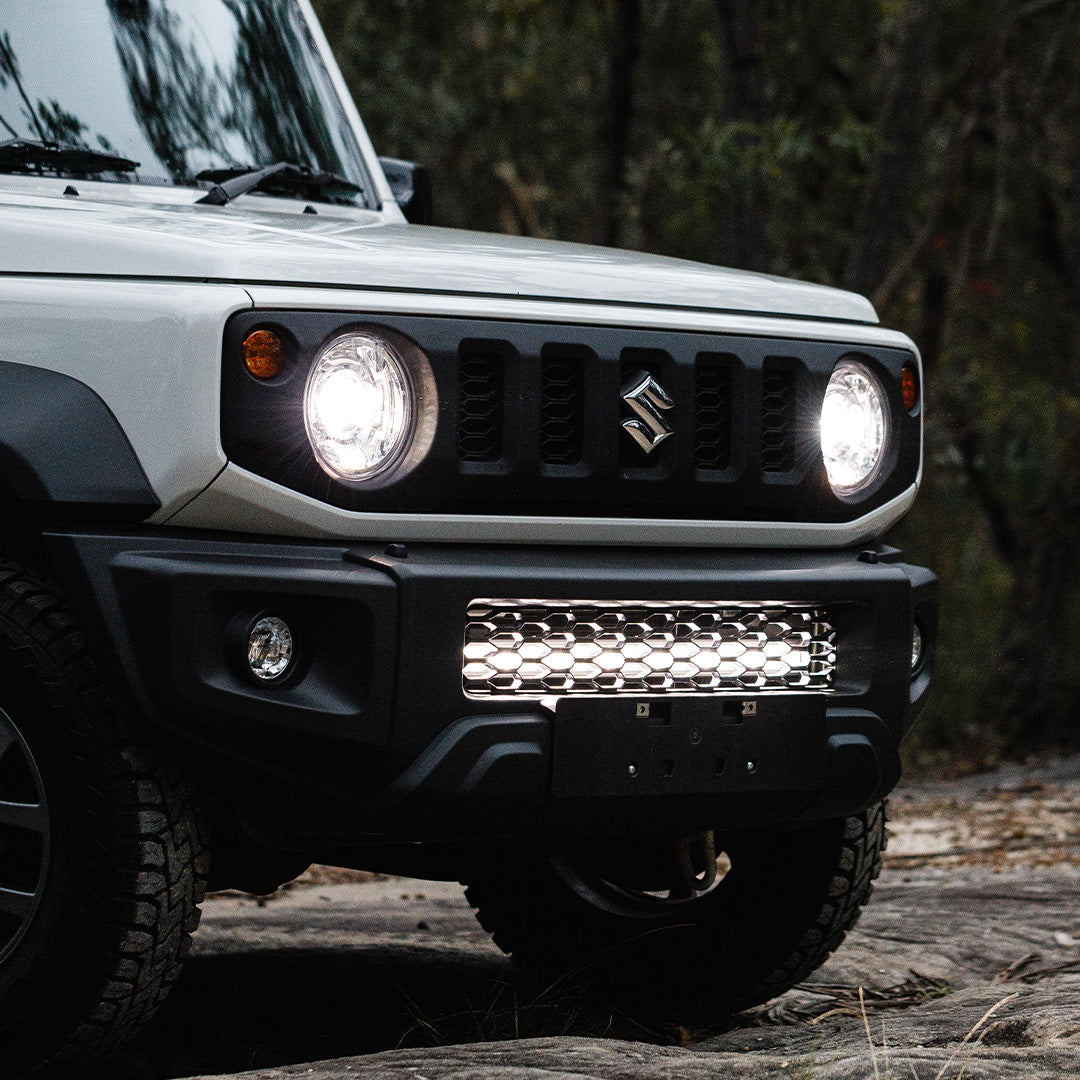
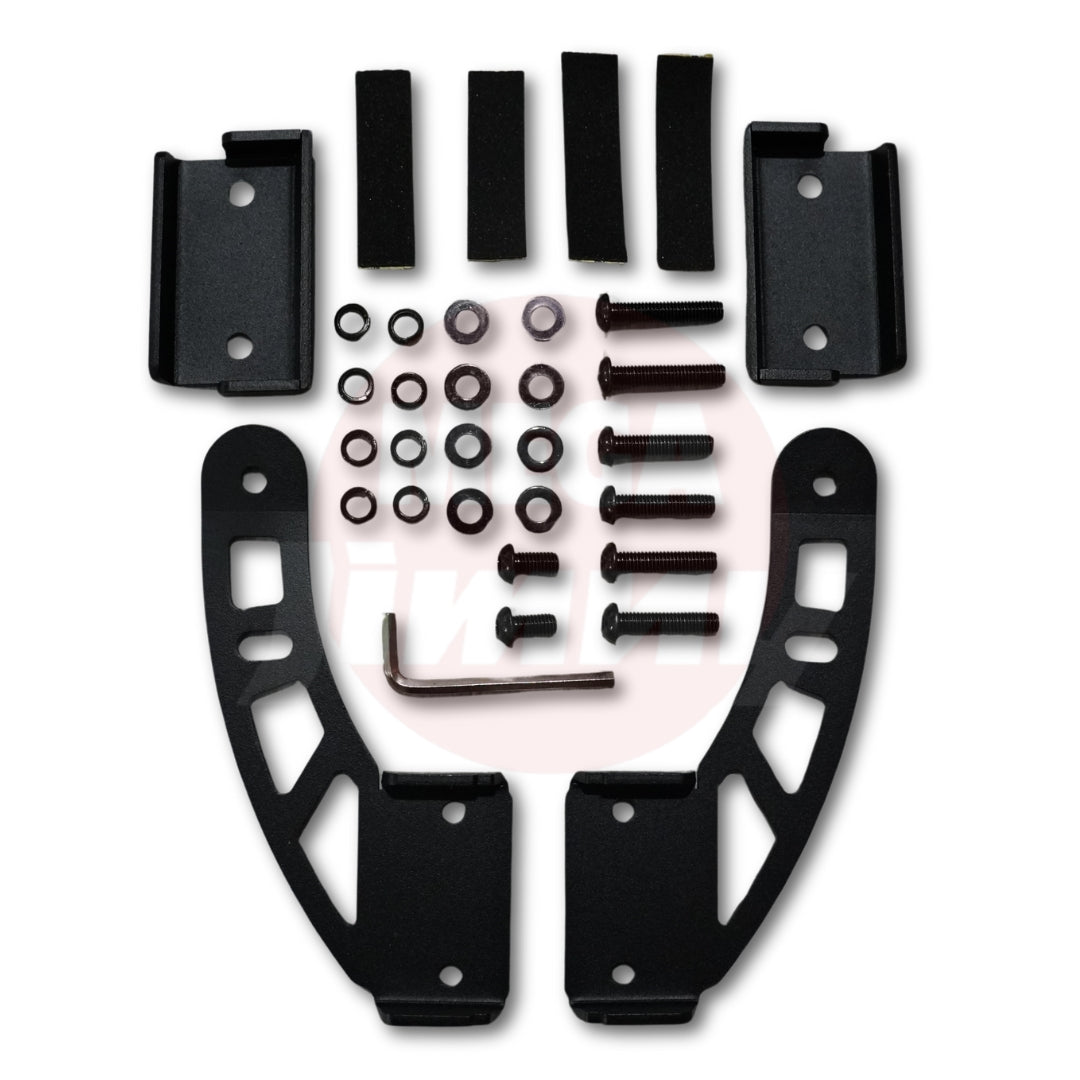
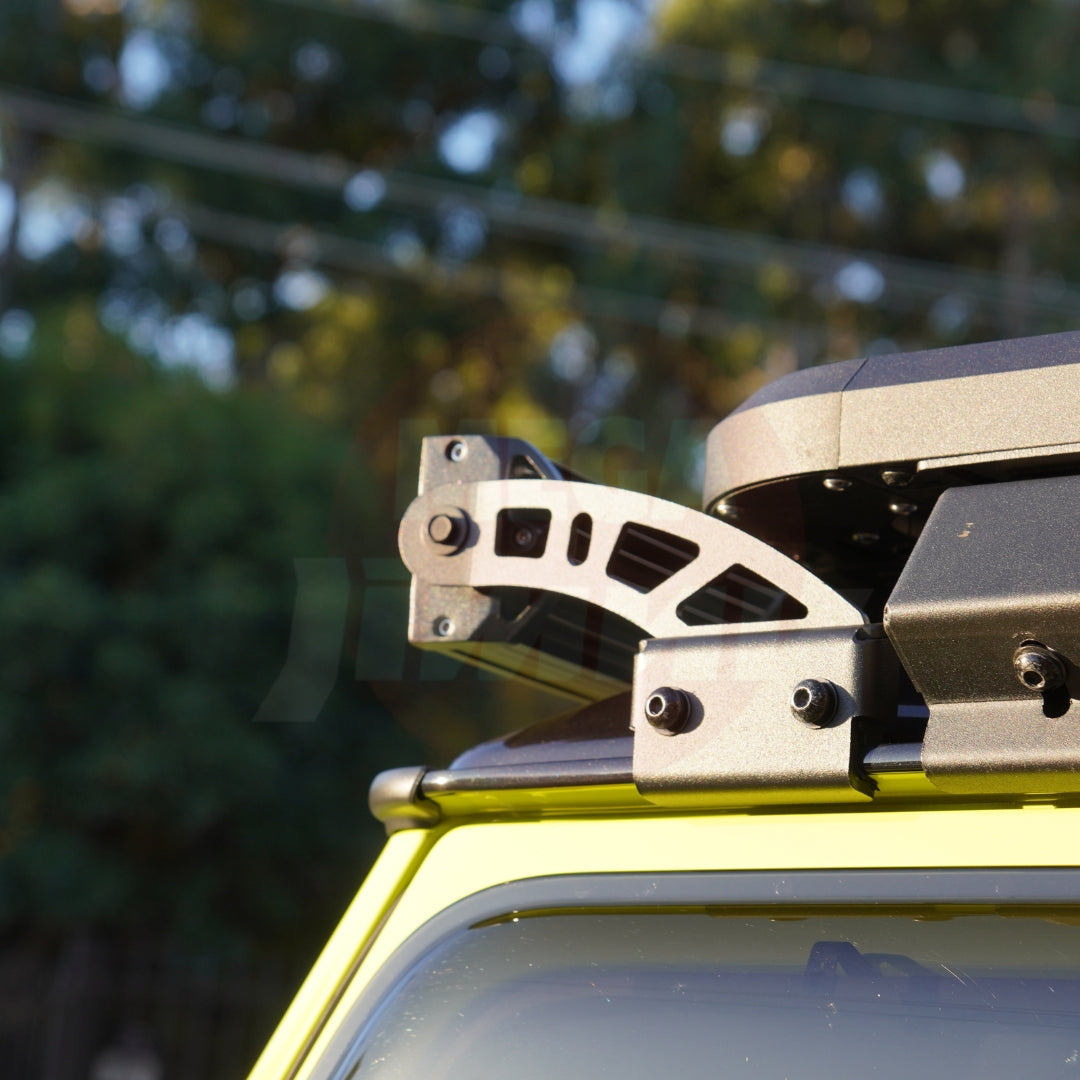
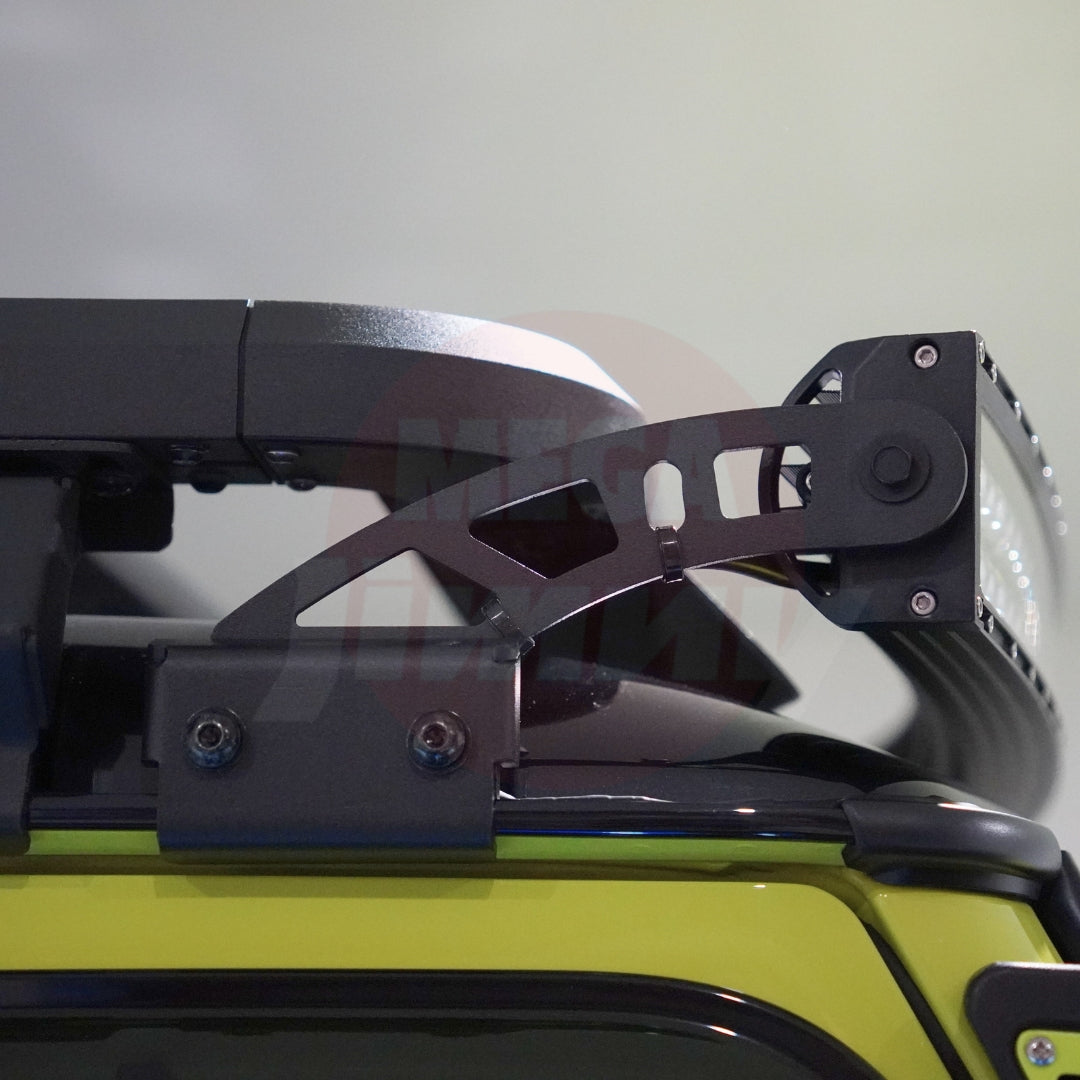
Light bars can be mounted in several locations: on the roof using a dedicated light bar mounts or integrated into a roof rack (see our Roof Storage and Roof Rack Accessories collections), on a bull bar or front bumper, or even on the rear for reverse lighting. The mounting method depends on the light bar size and your vehicle's existing accessories. We provide detailed mounting instructions with each light bar, and many include universal mounting brackets.
What is an IP rating, and why does it matter?
The IP (Ingress Protection) rating indicates a product's resistance to dust and water. The first digit represents dust protection (6 = dust-tight), and the second represents water protection (7 = protected against temporary immersion up to 1 metre; 8 = protected against continuous immersion). For off-road use, we recommend a minimum of IP67 to ensure your lights survive water crossings, heavy rain, and dusty conditions. All our premium lights feature IP67 or IP68 ratings for maximum durability.